Articles17 min read

Art Journaling for Adults: 25 Ideas to Spark Creativity

Discover art journaling ideas for adults — from quick daily pages to weekend projects, plus the supplies and techniques you need to get started.

Art Journaling for Adults: 25 Ideas to Spark Creativity

An art journal is part sketchbook, part diary, and part creative playground. Unlike a traditional sketchbook where every page is expected to look polished, an art journal invites you to experiment freely — layering paint over collage, scribbling thoughts next to stamped patterns, and letting imperfect pages become something unexpectedly beautiful.

If you've been curious about art journaling but weren't sure where to start, this guide removes the guesswork. You'll find 25 concrete ideas organised into three tiers — quick pages you can finish in under 30 minutes, deeper weekend projects, and themed spreads that combine writing with visual art. Along the way, you'll learn which supplies actually matter (and which are optional), pick up techniques from mixed media art that translate perfectly to journal pages, and build the kind of daily creative habit that sticks.

No drawing skills required. No expensive materials needed. Just a journal, a few basic supplies, and a willingness to play.

Why Art Journaling Is Perfect for Adults

Art journaling sits at the intersection of creativity and wellbeing — and that combination is precisely why it resonates with so many adults. Here's what makes it different from other creative hobbies.

Low Barrier, High Reward

You don't need years of training or expensive equipment. A journal, a pen, and a watercolour set are enough to create your first page. The forgiving nature of mixed media means there's no "wrong" way to fill a page — every mistake becomes a layer to paint over or collage on top of. If you've ever felt intimidated by a blank canvas, a journal page is smaller, less precious, and far easier to start.

Stress Relief and Mindfulness

Research in art therapy consistently shows that creative activities reduce cortisol levels and promote a state of focused relaxation. Art journaling adds a reflective dimension — you can process emotions, document experiences, or simply lose yourself in colour and texture for 20 minutes. Many adults find that the combination of visual and written expression unlocks thoughts that writing alone can't reach.

Skill Building Without Pressure

An art journal is the ideal practice space. Try a new technique on a single page without committing to a large project. Experiment with decoupage, test colour combinations, practise lettering styles. The small format keeps the stakes low so you can take creative risks that build real skills over time.

A Record of Growth

Flip through a completed art journal and you'll see your creative evolution in a way that scattered projects can't show. Months from now, you'll have a visual timeline of your improving techniques, shifting colour preferences, and personal milestones — all in one book.

What You Need: Art Journaling Supplies on Any Budget

One of the best things about art journaling is that you can start with what you already have and expand gradually. Here's a tiered approach to building your supply kit.

The Bare Minimum ($10–$15)

  • Journal: A mixed-media sketchbook with 120+ gsm paper (Strathmore Mixed Media or Canson XL). Avoid thin sketch paper — it buckles under wet media.
  • Black pen: A waterproof fine-liner (Sakura Pigma Micron 05 or similar) for outlines and journaling.
  • Watercolour set: A basic 12-pan set (Cotman by Winsor & Newton or Koi) for quick colour washes.
  • Glue stick or double-sided tape: For adding paper elements.

That's it. Every idea in this guide can be done with these four items.

The Expanded Kit ($30–$50)

Add these once you're hooked:

  • Acrylic paints (4–6 tubes): White, a warm and cool primary, and two colours you love. Acrylics layer beautifully and dry permanently.
  • Gesso (black and white): Primes pages, creates texture, and lets you start fresh on a page you don't like.
  • Assorted papers: Scrapbook paper, old book pages, tissue paper, wrapping paper — anything you can cut and glue.
  • Stamps and ink pad: Alphabet stamps for words, pattern stamps for backgrounds. One or two go a long way.
  • Washi tape (3–5 rolls): Decorative masking tape that adds colour, pattern, and borders instantly.
  • Brushes (3 sizes): A flat wash brush, a medium round, and a detail brush.

The Enthusiast Setup ($75+)

For the committed journaler:

  • Gel medium or matte medium: A superior adhesive and sealer that makes collage pages much more durable.
  • Texture paste and palette knife: Create raised, dimensional elements on your pages.
  • Spray inks or ink sprays (2–3 colours): Dylusions or Distress Sprays for fast, vibrant backgrounds.
  • Stencils (3–5): Patterns, alphabets, and shapes for repeatable background elements.
  • Posca paint pens or gel pens: For opaque mark-making and highlights over painted surfaces.

Budget tip: Build your kit over time. Buy one new supply per month and fully explore it before adding the next. This keeps costs manageable and prevents the overwhelming "I have everything but use nothing" syndrome.

10 Quick Art Journal Page Ideas (Under 30 Minutes)

Short on time? These pages are designed to be finished in a single sitting. They're perfect for building a daily habit without the pressure of a big project.

1. Colour Swatch Mood Page

Pick a mood — calm, energetic, nostalgic — and fill a page with colour swatches, washes, and scribbles in colours that represent that feeling. No drawing, no words. Just pure colour exploration. Use watercolour, acrylic, or even crayons.

Technique: Wet the page lightly first, then drop in watercolour. Let the colours bleed together for organic gradients. Blot with a paper towel for softer edges.

2. Found-Text Poetry

Cut words and phrases from an old magazine or book page. Arrange them into a short poem or statement on your journal page. Glue them down and add a simple border or background wash.

Technique: Use a wash of diluted acrylic paint as the background. Let it dry before gluing text — wet paper wrinkles and shifts.

3. Pattern Sampler

Divide your page into six to eight sections using washi tape or pencil lines. Fill each section with a different pattern: dots, crosshatch, spirals, waves, zigzags, chevrons. Use a single pen or mix colours.

Technique: Rotate the journal as you work so each pattern faces a different direction. This adds energy to the page even though each pattern is simple.

4. Photo-and-Notes Memory Page

Print or glue a photo from your week (phone photos work fine). Write a few sentences around it about what was happening, how you felt, or what you noticed. Add a border or small doodles.

Technique: Use a glue stick rather than liquid adhesive for photos — it repositions easily and doesn't warp the paper as much.

5. Gratitude Colour Block

Write five things you're grateful for. Around each one, paint a small block or shape in a colour that matches the feeling. Fill the rest of the page with complementary colours.

Technique: Use a white gel pen to write on top of darker painted areas — it creates a beautiful contrast that regular pens can't achieve.

6. Washi Tape Grid

Create a grid of nine squares using washi tape as the borders. Fill each square with a mini drawing, a stamped image, a scrap of patterned paper, or a single word. Remove the tape to reveal clean white grid lines.

Technique: Press the tape firmly and paint or draw right over the edges. Remove the tape while the paint is still slightly damp for the crispest lines.

7. Blind Contour Self-Portrait

Look at yourself in a mirror or phone camera. Without looking at the page, draw your face in one continuous line. It will look strange — and that's the point. Date it and add a word about how you're feeling.

Technique: Use a pen, not a pencil. The permanence removes the temptation to "fix" it and keeps the exercise loose and honest.

8. Stamped Repeat Pattern

Choose one stamp (a shape, a leaf, a geometric pattern). Ink it and stamp it repeatedly across the page, rotating or overlapping as you go. Change ink colours midway for variety.

Technique: Stamp off the edge of the page on all sides — it makes the pattern feel like it continues beyond the journal, creating a more professional look.

9. Layered Tissue Background

Tear tissue paper into irregular pieces. Adhere them to the page with gel medium or a glue stick, overlapping the edges. The translucency creates beautiful layered colour effects. Once dry, add a quote or small drawing on top.

Technique: Use a paintbrush to apply gel medium over the top of each tissue piece — it seals the edges and prevents lifting.

10. Five-Minute Scribble Page

Set a timer for five minutes. Scribble, doodle, write, stamp, and paint without planning or stopping. The constraint forces you to silence your inner critic. When the timer goes off, the page is done — no touch-ups.

Technique: Work quickly with whatever is closest. The point is momentum, not refinement.
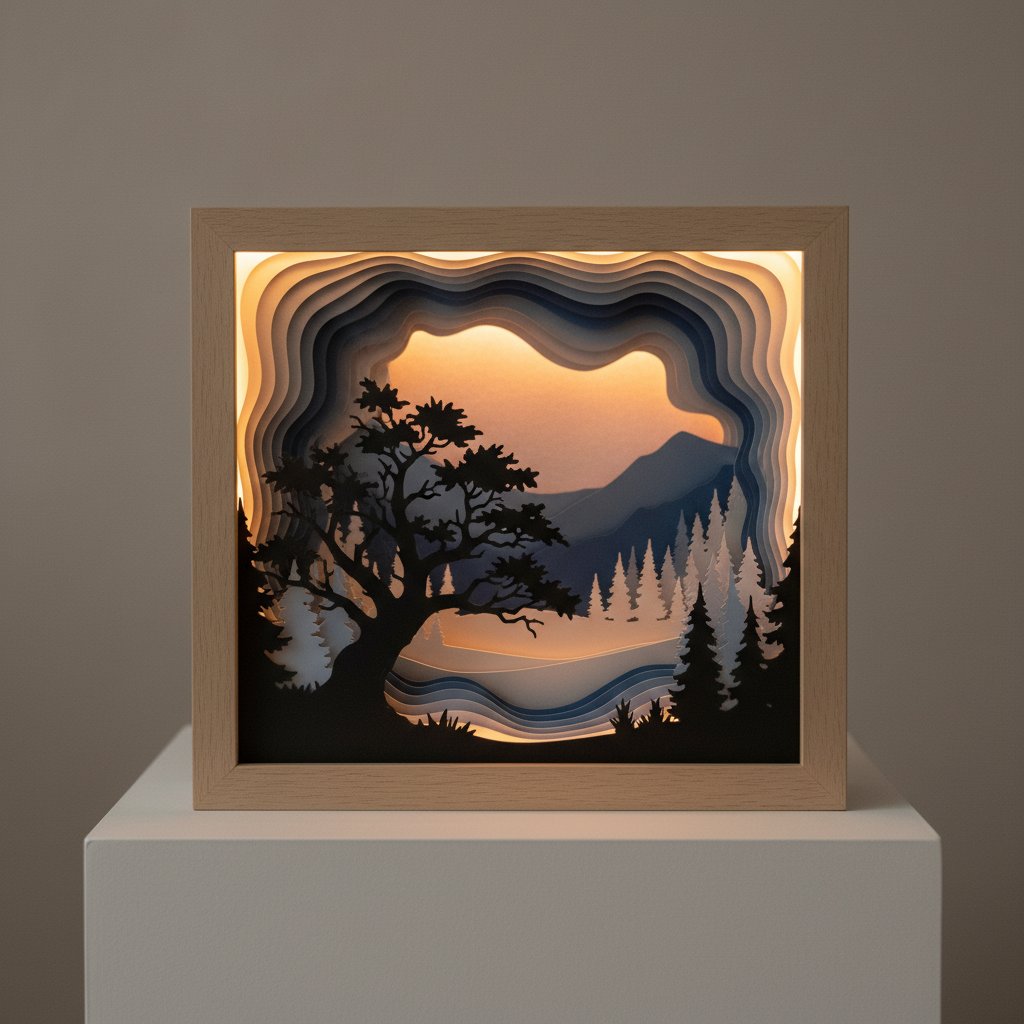
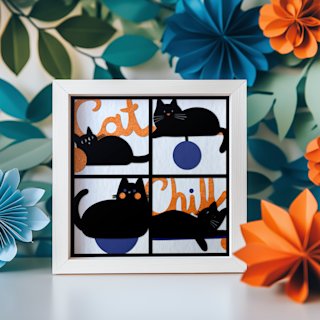
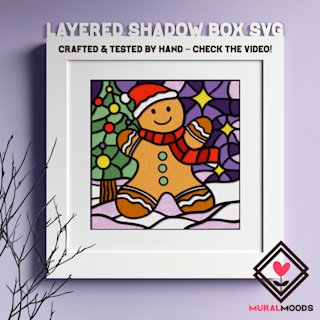
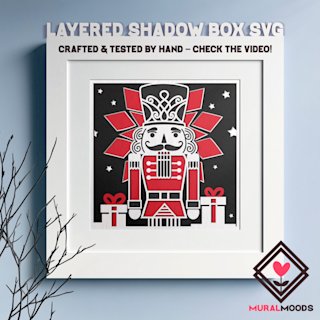
Shadow box templates displayed alongside art journal supplies

Turn Your Art Journal Pages into Shadow Box Displays
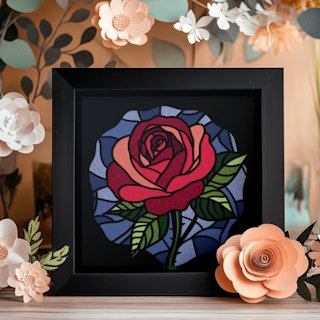
Pressed flowers, ink splashes, and painted layers from your journal deserve more than a closed book. These floral shadow box templates frame your best pages behind glass-ready depth.

10 Deep-Dive Art Journal Projects (Weekend Projects)
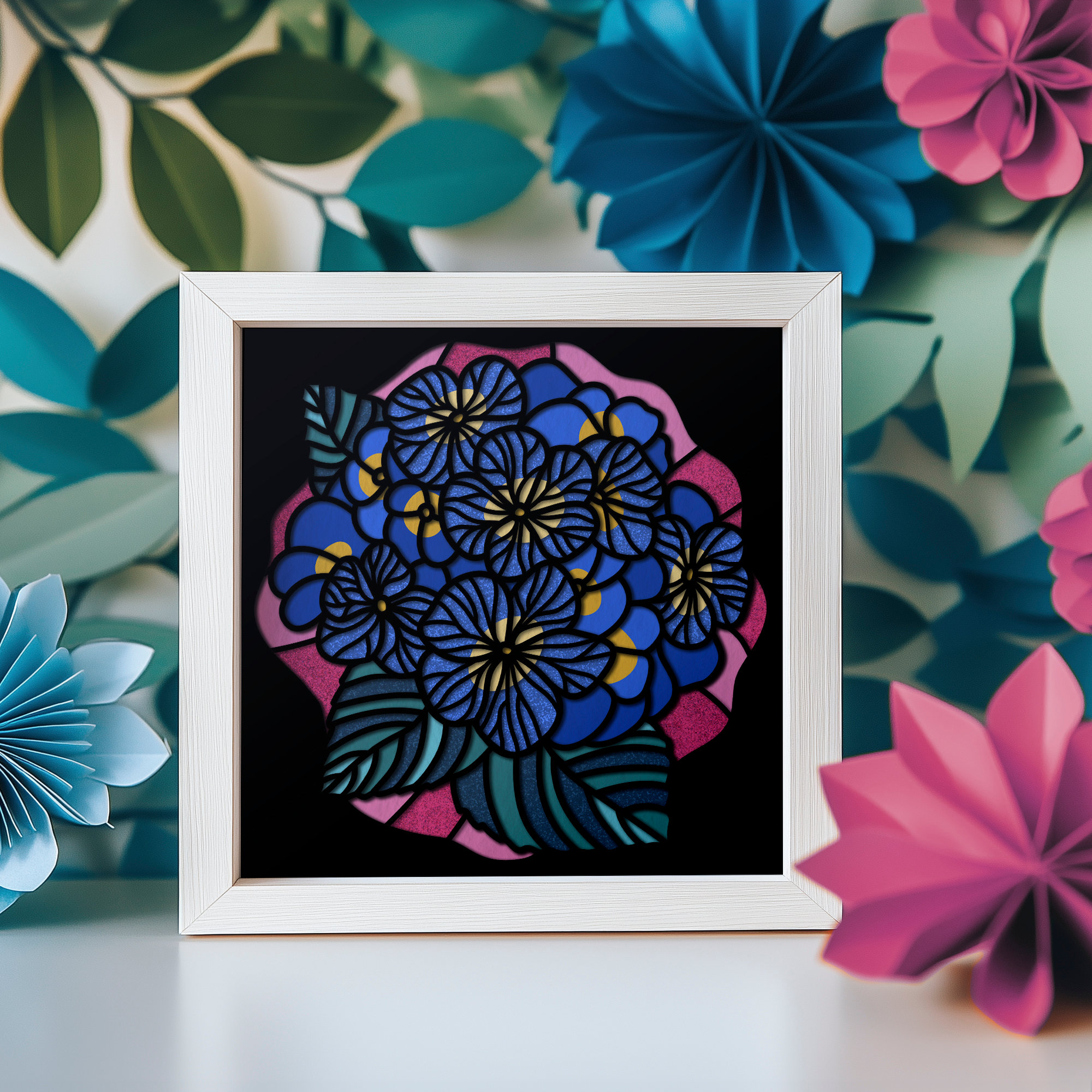
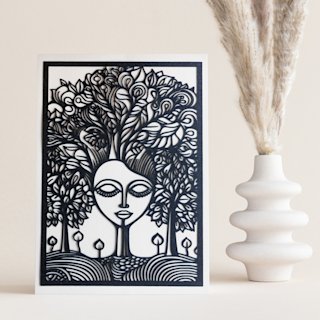
Completed shadow box with layered papercut design

These ideas reward a slower pace and more layers. Set aside a few hours over a weekend and let each page develop organically.
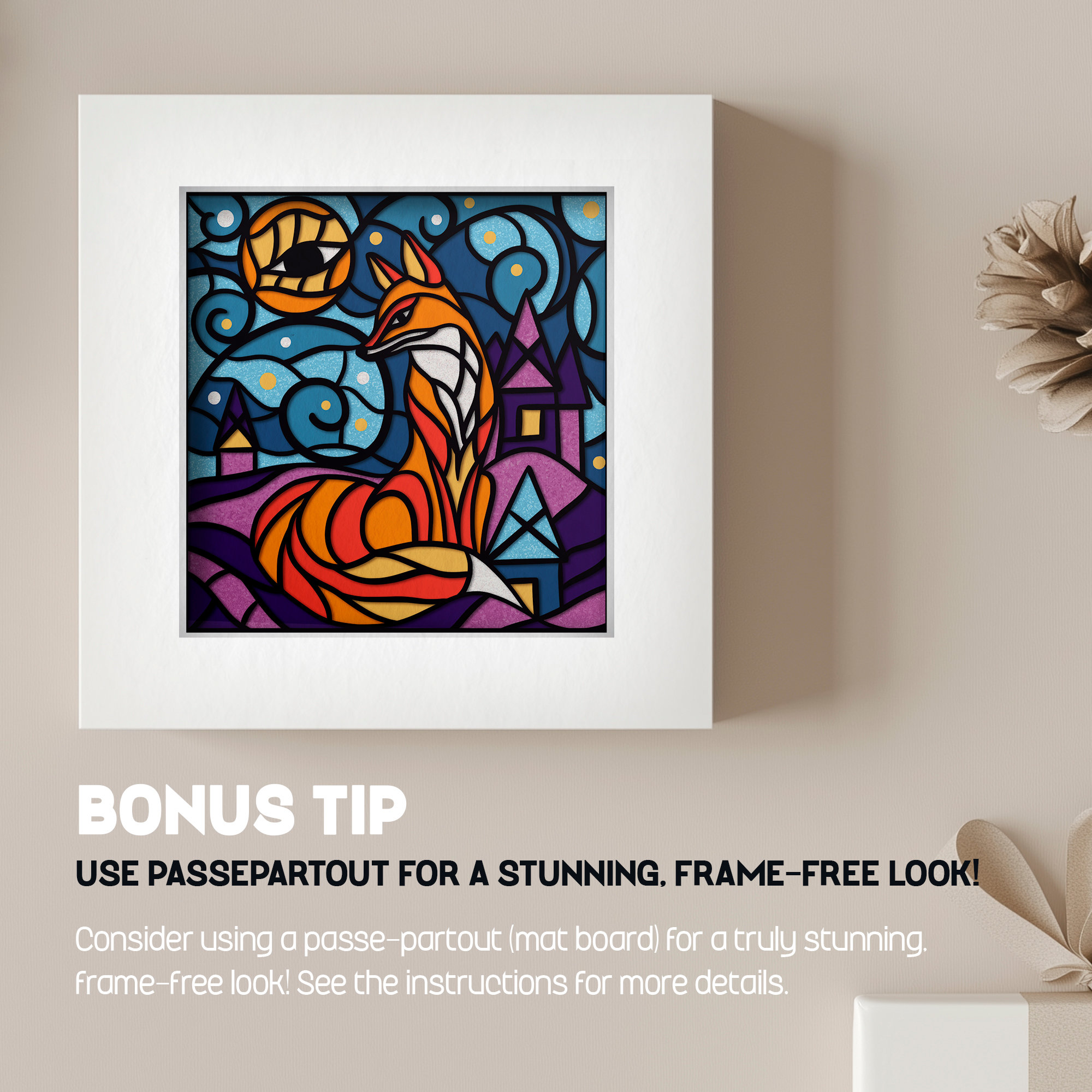
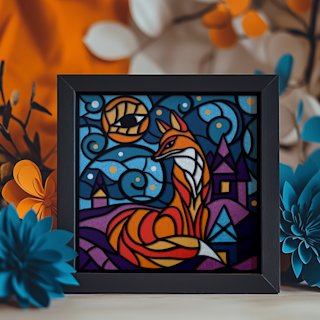
Magical Fox shadow box displayed on craft desk

11. Botanical Illustration Spread

Press a real leaf or flower between pages of a book for a few days. Trace or sketch it across a two-page spread, then fill the surrounding space with watercolour washes in greens, golds, and soft browns. Add handwritten botanical notes — the plant's name, where you found it, the date.

Supplies: Pressed botanical, fine-liner pen, watercolour set, pencil.
Time: 2–3 hours.

12. Vintage Collage with Lettering

Start with a background of old book pages or sheet music (find reproducibles online or use damaged books). Layer vintage imagery — postcards, stamps, botanical prints. Add hand-lettered text using a brush pen or fine-liner. Seal with gel medium.

Supplies: Vintage ephemera, gel medium, brush pen, old book pages.
Time: 3–4 hours.

13. Geometric Abstract Composition

Tape off geometric shapes (triangles, rectangles, circles) across a spread using washi tape or painter's tape. Fill each shape with a different colour, pattern, or texture — paint, paper scraps, stamped images. Remove the tape to reveal clean geometric lines. This is a great way to explore colour theory and mixed media techniques in a structured format.

Supplies: Tape, acrylic paints, paper scraps, stencils, brushes.
Time: 2–3 hours (including drying time between layers).

14. Black Gesso Contrast Page

Coat an entire page with black gesso. Once dry, create your design using light and bright media only — white gel pens, Posca paint pens, metallic markers, or light acrylic paint. The dark background makes everything pop dramatically.

Supplies: Black gesso, white/light-coloured pens and paints.
Time: 1.5–2 hours (plus gesso drying time).

15. Layered Map or Travel Spread

Start with a map (a real one, a printed one, or hand-drawn). Layer photos, ticket stubs, stamps, and handwritten notes from a trip or a place you dream of visiting. Use a colour palette inspired by the destination — warm earth tones for desert landscapes, blues and whites for coastal towns.

Supplies: Map, travel ephemera, photos, glue, pen, watercolour.
Time: 3–4 hours.

16. Texture Paste Stencil Page

Apply texture paste through a stencil to create raised patterns on your page. Let it dry completely (this takes patience — at least 2 hours). Once dry, paint over the entire page with acrylics. Wipe excess paint off the raised areas with a damp cloth to reveal the texture underneath.

Supplies: Texture paste, palette knife, stencil, acrylic paint.
Time: 3 hours (mostly drying time).

17. Inspiring Quote with Illustrated Border

Choose a quote that resonates with you. Hand-letter it in the centre of the page (or use alphabet stamps if hand-lettering feels daunting). Around the edges, create an illustrated border — flowers, stars, geometric shapes, or abstract patterns. Fill the border with colour using your preferred medium.

Supplies: Pen or stamp set for lettering, coloured pencils or watercolour for the border.
Time: 2–3 hours.

18. Seasonal Colour Study

Dedicate a spread to the current season. Fill it with colours, textures, and imagery that capture how the season feels to you. Autumn might mean burnt orange washes, pressed leaves, and handwritten notes about crisp air. Summer could be bright watercolour splatters and doodled sun patterns.

Supplies: Seasonal ephemera, watercolour, pen, found natural materials.
Time: 2–3 hours.

19. Typography Composition

Fill a page entirely with words and letters. Use different fonts, sizes, and styles — stencilled letters, handwritten words, stamped text, cut-out magazine headlines. The words can form a message, a list, a poem, or pure visual texture. Vary the density across the page for visual rhythm.

Supplies: Alphabet stamps, stencil, magazine clippings, pens, markers.
Time: 2–3 hours.

20. Mixed-Media Portrait Page

Create a stylised portrait or figure using a combination of techniques. Start with a painted background, collage clothing or hair elements from patterned paper, and draw or paint the face. It doesn't need to be realistic — expressive, abstract, or even cartoon-style faces all work beautifully in art journals.

Supplies: Acrylic paint, patterned paper, fine-liner, coloured pencils.
Time: 3–4 hours.

5 Themed Journal Spreads to Try

Themed spreads give your journaling a focus — a prompt to work around rather than a blank page. These ideas combine writing and visual art in meaningful ways.

21. Gratitude Journal Spread

The concept: Dedicate a two-page spread to gratitude. On the left page, write five to ten things you're grateful for, each in a different colour or style. On the right page, create an abstract or illustrated representation of how those things make you feel.

How to approach it: Use warm colours (yellows, oranges, soft pinks) as your palette — research in colour psychology links these tones to positive emotions. Add small stamped or drawn icons next to each gratitude item.

22. Seasonal Transition Spread

The concept: Mark the change from one season to the next. The left page represents what you're leaving behind (colours, imagery, words). The right page represents what you're entering. The centre seam becomes the transition point.

How to approach it: Use contrasting colour palettes for each side. Add a list of personal milestones or memories from the departing season and hopes or intentions for the incoming one. Pressed seasonal elements (a dried leaf, a flower) add a tactile, authentic dimension.

23. Goals and Intentions Spread

The concept: Visualise your goals for the month, quarter, or year. Divide the spread into sections — one for each goal. In each section, combine words (the goal, why it matters, a first step) with visual elements (a symbolic colour, a simple illustration, a collage element).

How to approach it: Use a colour-coding system where each goal has a signature colour that appears in both the word and visual sections. This creates visual coherence across the spread and makes it easy to revisit individual goals later.

24. Reading or Media Log Spread

The concept: Track what you're reading, watching, or listening to. Create a visual bookshelf or filmstrip layout. For each entry, include the title, a mini review (one sentence), and a colour or symbol that captures your impression.

How to approach it: Draw simple book spines or film frames as your containers. Use watercolour to fill each one with a colour that matches the mood of the content. This spread becomes a beautiful, personal record over time.

25. Self-Care Check-In Spread

The concept: A quarterly self-assessment page. Create sections for physical health, mental wellbeing, creative fulfilment, and relationships. In each section, use colour, words, and imagery to represent your current state.

How to approach it: Use a wheel or mandala layout where each quadrant represents a life area. Fill each quadrant with relevant words, colours, and small illustrations. Date it and revisit quarterly to track how your self-care evolves.

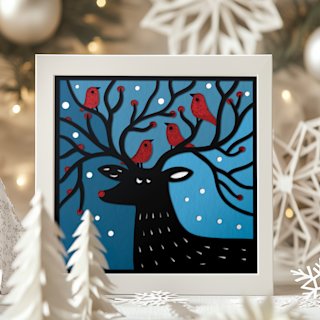
Art Journal Meets Papercut — Templates That Spark New Ideas
When a journal spread needs a 3D twist, try layering papercut silhouettes between your pages. These animal and nature templates add dimension to flat artwork.

Combining Writing and Visual Art in Your Journal

The magic of art journaling lies in blending words and images. Here are practical techniques for making the combination feel natural rather than forced.

Layer Writing into Backgrounds

Write your thoughts directly onto a painted or collaged background using a pen that contrasts with the surface colour. White gel pens on dark paint, black Microns on light washes, or metallic markers on any surface. The writing becomes part of the visual texture — legible up close, abstract from a distance.

Use Text as a Design Element

Instead of hiding your words in a journaling block, let them become part of the composition. Write in sweeping curves across the page. Use large, bold letters as the focal point. Stamp a word repeatedly as a background pattern. When text functions as both communication and design, pages feel more cohesive.

Try Stream-of-Consciousness Journaling

Before you start a visual page, write continuously for two minutes about whatever is on your mind. Fill the page edge to edge. Then paint or collage directly on top. Some words will peek through; others will be obscured. The layering becomes a metaphor for processing — the thoughts are there, beneath the surface, even when they're not fully visible.

Add Meaningful Quotes and Lyrics

When your own words aren't flowing, borrow someone else's. A line of poetry, a song lyric, or a book quote can anchor a page. Hand-letter it prominently or tuck it into a corner. The visual treatment you give the borrowed words makes them personal.

Create Lists with Visual Flair

Lists are an underrated journaling form. A list of favourite things, books to read, places to visit, or songs for a mood becomes engaging content when paired with colour, illustrations, and design. Number each item with stamps or hand-drawn numbers. Use a different colour for each entry.

Tips for Building a Daily Art Journaling Habit

Starting is easy. Continuing is the challenge. These strategies help you turn art journaling from a one-time activity into a sustainable creative practice.

Start Absurdly Small

Commit to just five minutes per day. Not a finished page — just five minutes of something. A colour wash. A doodle. A single stamped word. The goal isn't output; it's showing up. Once the journal is open and the supplies are out, you'll often keep going. But if five minutes is all you manage, that's enough.

Keep Your Journal Visible

Out of sight, out of mind. Leave your open journal on your desk, kitchen counter, or nightstand. Keep your basic supplies (pen, watercolour, glue stick) in a small pouch next to it. Reducing the friction between "I want to journal" and "I'm journaling" is the single most effective habit hack.

Use a Prompt Jar

Write 30 prompts on slips of paper and keep them in a jar. On days when you don't know what to do, pull one at random. Prompts remove decision fatigue — the hardest part of a blank page. Use the 25 ideas in this guide as your starting prompts.

Embrace the "Ugly Page"

Not every page will be Instagram-worthy, and that's the entire point. An art journal is for process, not product. Give yourself permission to create pages you don't love. Paint over them, collage on top of them, or simply turn the page. The habit of creating matters more than any single page's quality.

Set a Weekly Theme

Give each week a loose theme: "textures," "a limited palette," "nature," "words and letters," "childhood memories." Themes create a throughline that connects your daily pages into a cohesive body of work. They also narrow your options, which paradoxically makes starting easier.

Track Your Streak

Use a simple calendar or habit tracker in the back of your journal. Mark each day you create something — even a five-minute page. Visualising your streak is motivating, and a long unbroken chain of marks is deeply satisfying to maintain.

Join a Community

Share your pages in an art journaling group (Instagram hashtags like #artjournal and #artjournaling have active, supportive communities). Seeing other people's work inspires new ideas, and the accountability of sharing keeps you creating even on low-motivation days.

Frequently Asked Questions

What is the difference between an art journal and a sketchbook?
A sketchbook is typically for drawing practice and finished studies. An art journal combines mixed-media techniques — painting, collage, stamping, writing, and drawing — into a single, personal format. Art journals emphasise expression over precision.

What size journal should I use?
A5 (approximately 5.8 × 8.3 inches) and 8 × 10 inches are the most popular sizes. A5 is portable and less intimidating. 8 × 10 gives you more room for layered spreads. Start with whichever feels less daunting — you can always switch later.

Do I need to be good at drawing?
Not at all. Many art journaling techniques involve no drawing whatsoever — collage, stamping, painting, and writing are all valid approaches. Drawing skills are a bonus, not a prerequisite. This guide includes ideas that use zero drawing.

How do I stop pages from bleeding through?
Use a journal with heavyweight paper (120 gsm or higher). Apply gesso to thin pages before using wet media. Work in thin layers rather than saturating the page. Place a piece of scrap paper behind the page you're working on to catch any bleed-through.

Can I use regular printer paper in my art journal?
Regular printer paper (75 gsm) is too thin for wet media but works fine for dry techniques like pen work, stamping, and light collage. If you want to use paint or ink, glue the printer paper onto a heavier journal page first, or choose a journal with mixed-media-weight paper.

How long should an art journal page take?
Anywhere from five minutes to a full afternoon — there's no right answer. The quick ideas in this guide take under 30 minutes. The deep-dive projects might span a few sessions. Your journal, your rules.

Start Your Art Journal Today

You now have 25 ideas, a tiered supply list, and practical techniques for combining words and images. The only thing left is to open a journal and make a mark.

Pick one idea from the quick list — the five-minute scribble page or the colour swatch mood page are perfect first pages. Don't overthink it. The beauty of art journaling is that every page teaches you something, even the ones you don't love.

If you're looking for more techniques to layer into your journal pages, explore our guides to mixed media art techniques and decoupage for beginners. For a different creative direction, our canvas painting ideas for beginners pair beautifully with the skills you'll develop in your art journal.

Your creative journey starts with a single page. Open the journal. Make a mark. See where it leads.