Articles17 min read

35 Easy Canvas Painting Ideas for Beginners (2026)

Your complete guide to canvas painting ideas for beginners — from choosing your first supplies to completing 35 creative projects organized by difficulty, with techniques, tips, and inspiration.

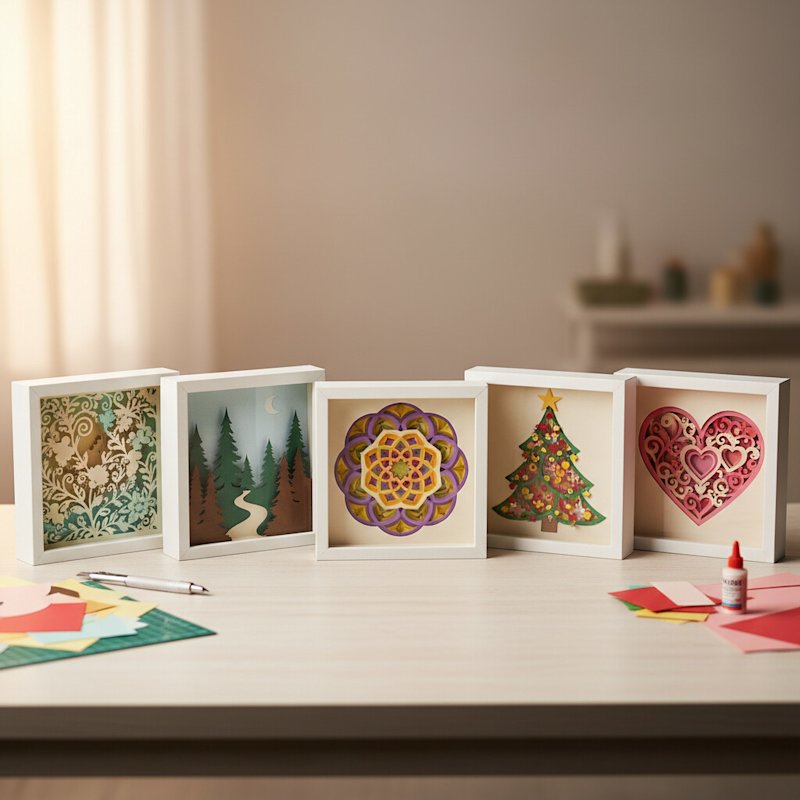
5 Easy Paper Light Box SVG Projects Beginners Love to Make

35 Easy Canvas Painting Ideas for Beginners

Starting your first canvas painting feels exciting and intimidating in equal measure. The blank white rectangle stares back at you, and suddenly every idea you had disappears. That's normal — every artist has been there.

The good news: you don't need natural talent to make canvas art you're proud of. You need the right supplies, a few basic techniques, and ideas that match your current skill level. Jump into an advanced project too early and you'll get frustrated. Start with something simple, build confidence, and the harder stuff comes naturally.

This guide gives you 35 canvas painting ideas organized by difficulty — 15 beginner, 12 intermediate, and 8 advanced — plus the supplies, techniques, and tips to pull each one off. Whether you're working with acrylics, exploring mixed media, or trying a DIY stencil art on canvas approach, you'll find projects here that fit.

Essential Supplies for Your First Canvas Painting

Before you paint a single stroke, you need the right gear. Here's what to buy — and what to skip — at three budget levels.

Paints: acrylic is your best friend

Acrylic paint is the obvious choice for beginners. It dries fast (10-20 minutes), cleans up with water, and works on almost any surface. You don't need solvents, ventilation, or special brushes.

Buy a starter set of 12 colours ($8-15 at any craft store). You can mix virtually anything from the primary three (red, blue, yellow) plus white and black, but having pre-mixed greens, purples, and earth tones saves time.

What to skip for now: Oil paints (slow-drying, need solvents), watercolour on canvas (needs special preparation), and expensive professional-grade tubes. Student-quality acrylics are perfect for learning.

Brushes: start with five

You don't need a 30-brush set. Five brushes cover every beginner technique:

  1. Flat brush (¾ inch) — broad strokes, backgrounds, filling large areas
  2. Round brush (size 6) — detail work, lines, curves
  3. Filbert brush (size 8) — versatile, soft edges, blending
  4. Detail brush (size 2) — fine lines, small accents
  5. Fan brush — textures, grass, foliage effects

Synthetic bristles work fine for acrylics and cost less than natural hair. Wash them with warm water and mild soap after each session and they'll last months.

Canvas: stretched vs panel vs paper

  • Stretched canvas — The classic choice. Ready to hang, no framing needed. 8×10 inch is perfect for beginners ($3-5 each).
  • Canvas panel — Flat, rigid, cheaper ($1-2 each). Good for practice and experimenting without commitment.
  • Canvas paper — Pad of sheets, like watercolour paper but textured for acrylic. Cheapest option for pure practice.

Most pre-stretched canvases come pre-primed with gesso, so you can paint directly on them. No extra prep needed.
Painted canvas background with shadow box layers

Other essentials

  • Palette — A paper plate works fine. A disposable palette pad ($5) is cleaner.
  • Water container — Any cup or jar. Two is better: one for rinsing, one for clean water.
  • Rag or paper towels — For wiping brushes and fixing mistakes.
  • Palette knife ($3-5) — For mixing paint and creating texture effects.
  • Spray bottle — Keep paints from drying out on your palette.

Budget breakdown

LevelCostWhat you get
Budget$15-2012-colour acrylic set, 3 brushes, canvas panels, paper plate palette
Standard$30-4012-colour set, 5 brushes, stretched canvases, palette pad, palette knife
Premium$60-8024-colour set, quality brushes, gallery-wrapped canvases, full accessory kit
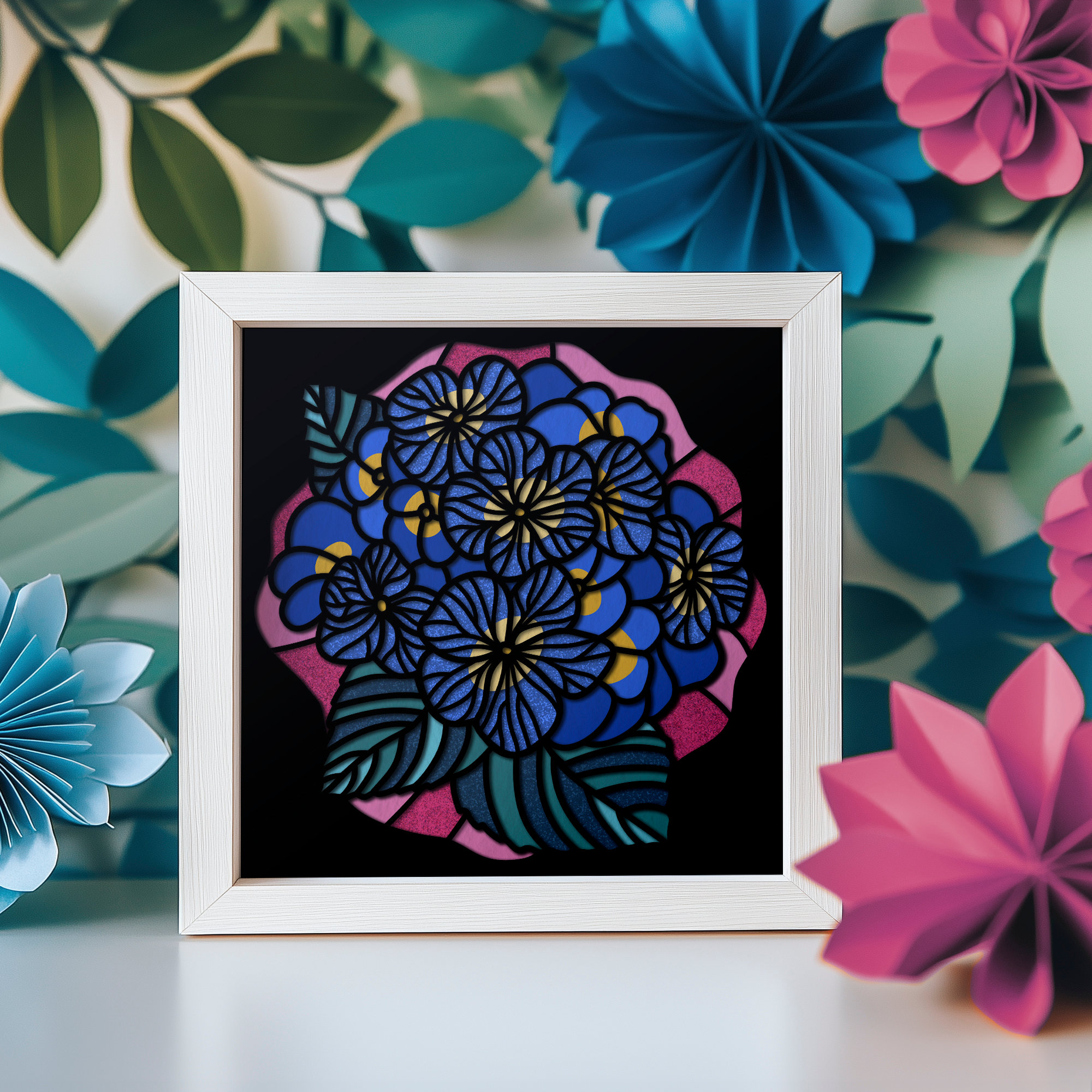
Holiday Canvas Art Meets Papercut Dimension
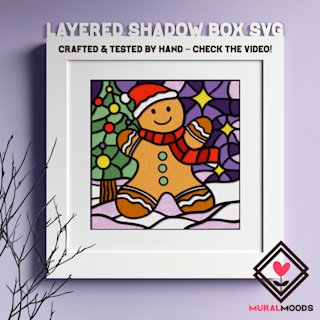
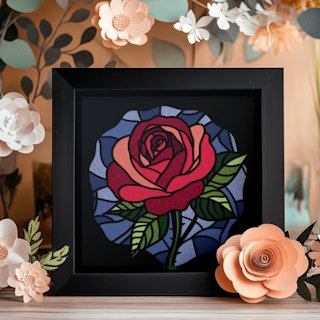
Paint a wintery canvas backdrop, then layer one of these seasonal papercut designs in front. The LED glow through the layers creates a piece that no flat canvas can match.

Easy Canvas Painting Ideas (Beginner Level)

These 15 projects use basic techniques — flat colour, simple shapes, minimal blending. If you can hold a brush and follow a step-by-step process, you can complete any of these in 30-90 minutes.

1. Colour-block abstract

Divide your canvas into 3-5 geometric sections with painter's tape. Fill each with a different colour. Peel the tape while the paint is still slightly wet for crisp lines. This teaches you brush control and colour pairing without any drawing skill.

Technique focus: Straight edges, even coverage.

2. Ombre gradient sky

Start with dark blue at the top, gradually blend into lighter blue, then orange and pink at the bottom. Work quickly — acrylic dries fast, so blend while wet. This is the classic wet-on-wet technique.
Layered shadow box displayed next to painted canvas

Technique focus: Smooth blending, colour transitions.

3. Silhouette tree against a gradient

Paint a gradient background (sunset colours work beautifully). Let it dry completely. Then paint a simple tree silhouette in black over it — just a trunk and a few branches. The contrast between the colourful background and stark silhouette is striking.

Technique focus: Layering (background first, foreground second).

4. Simple daisy flowers

Paint a light green background. Add white daisy petals (five oval shapes in a circle) with a yellow centre dot. Group 3-5 daisies at different angles. Add simple stems with a thin brush.

Technique focus: Repetitive shapes, consistent sizing.

5. Mountain landscape with lake reflection

Paint the sky in a gradient. Add a grey mountain range as a simple zigzag line across the middle. Below it, paint water in a slightly darker shade. Flip the mountain shape upside down in the water for a reflection. Keep it loose and impressionistic — exact shapes don't matter.

Technique focus: Symmetry, simple landscape composition.

6. Starry night dots

Paint the entire canvas dark blue or black. Use a small round brush or the end of a paintbrush handle to dot white and pale yellow "stars" across the sky. Add one larger yellow circle for the moon. Optionally add tiny mountain silhouettes at the bottom.

Technique focus: Dot technique, spacing, contrast.
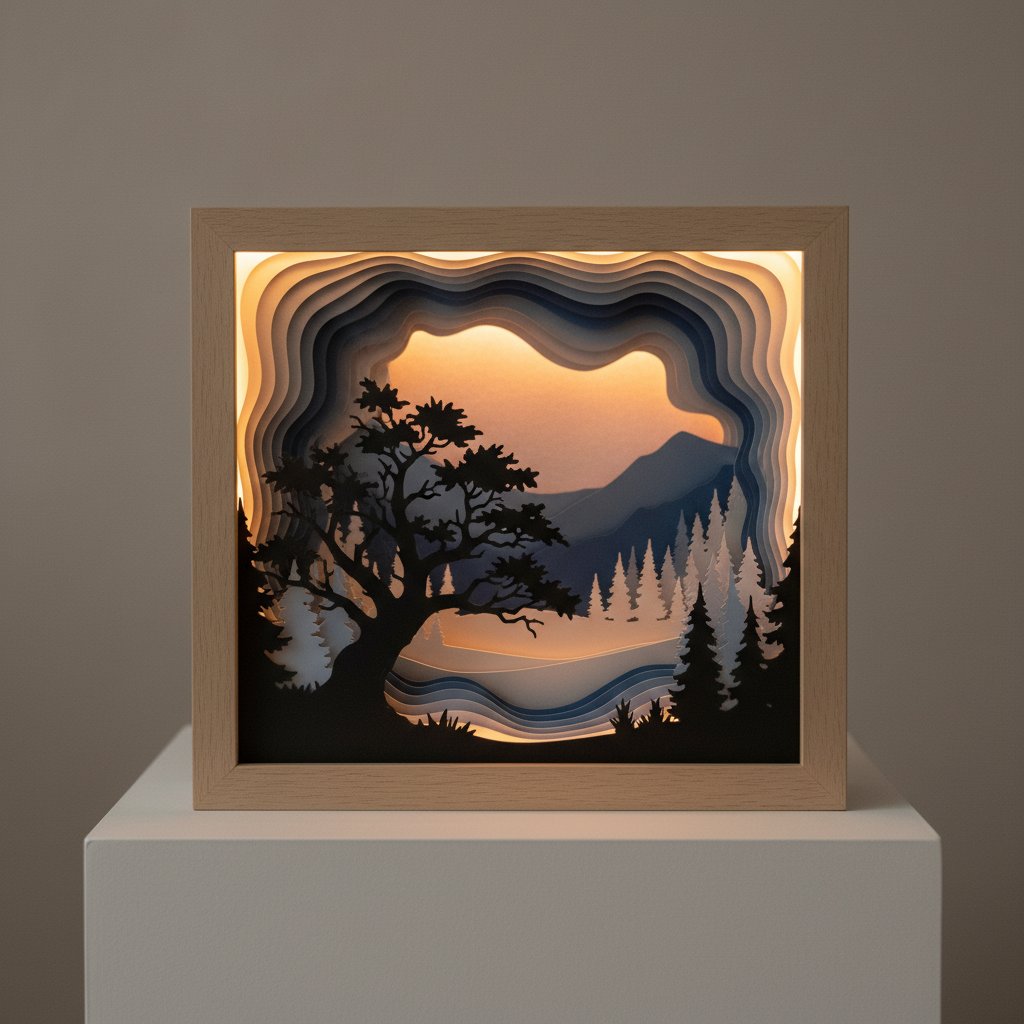
Nature scene shadow box with painted backdrop

7. Heart pattern grid

Lightly pencil a grid on the canvas. Paint small hearts in different colours in each cell. Vary the colours in a planned pattern or random mix. This is meditative and produces a bright, cheerful piece.

Technique focus: Consistent small shapes, colour planning.

8. Simple leaf branch

Paint a curving brown stem from bottom-left to top-right. Add teardrop-shaped leaves in 2-3 shades of green along the stem. A few leaves can be orange or yellow for variety. This works beautifully on a white background.

Technique focus: Organic shapes, colour variation within a palette.

9. Rainbow arcs

Paint concentric rainbow arcs across the canvas. Leave them as clean bands, or blend slightly at the edges where colours meet for a softer look. White background keeps it fresh.

Technique focus: Smooth arcs, colour sequencing.

10. Polka dot pattern

Choose 3-4 colours. Paint dots of varying sizes in an even distribution across the canvas. Overlap a few for visual interest. Simple, modern, and looks great in any room.

Technique focus: Even distribution, size variation.

11. Sunset over water

Paint the top half in warm sunset colours (orange, pink, purple, blending into each other). Paint the bottom half dark blue with horizontal streaks of reflected sunset colours. Add a small boat silhouette or a palm tree outline for extra detail.

Technique focus: Horizontal blending, reflection effects.

12. Abstract circles

Paint 5-8 circles of different sizes in various colours. Some overlap, some don't. Where circles overlap, let the colours mix naturally. Clean and modern.

Technique focus: Circle shapes, overlapping transparency effects.

13. Bubble painting

Paint a dark background. Add circles of various sizes in translucent, bright colours with small white highlight dots in each bubble. The result looks like floating bubbles.

Technique focus: Highlights, transparency illusion.

14. Simple cactus in a pot

Paint a terracotta pot shape at the bottom. Add a simple cactus shape (rounded rectangle with small arms) in green. Add small lines for spines and a tiny flower on top. White or light background.

Technique focus: Simple object painting, decorative detail.

15. Cloud study

Paint a blue sky gradient background. Add 3-5 fluffy white clouds using a dabbing technique with a round brush. Clouds aren't solid white — use light grey shadows on the bottom edges to give them dimension.

Technique focus: Dabbing technique, soft edge control, light and shadow.

From Flat Canvas to 3D Shadow Box — Take Your Art Deeper
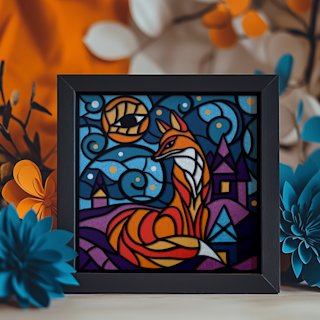
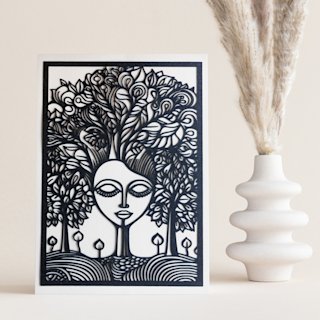
Painted backgrounds pair beautifully with layered papercut silhouettes. Try one of these shadow box designs as your next dimensional art project after mastering canvas.

Intermediate Canvas Painting Projects to Try

These 12 projects introduce blending, layering, texture, and more complex compositions. Each takes 2-4 hours. You should be comfortable with basic brush control and colour mixing before tackling these.

16. Birch forest scene

Paint a soft gradient background (pale blue to white). Add vertical white birch tree trunks with horizontal black dashes for bark texture. Add autumn-coloured leaves as small dabs of orange, red, and yellow. A dark foreground strip grounds the scene.

Technique focus: Texture details, foreground/background layering.

17. Galaxy background with silhouette

Paint a black base. Sponge on purple, blue, and pink in patches. Splatter white paint (flick a loaded toothbrush) for stars. Add a silhouette — a howling wolf, a tree, or a person — in solid black over the galaxy. The contrast is dramatic.

Technique focus: Splatter technique, sponging, silhouette contrast.

18. Cherry blossom branch

Paint a soft background (pale blue or cream). Add a dark brown branch crossing the canvas. Create cherry blossoms by dabbing 5 pink dots in a circle with a small white centre. Cluster them along the branch. A few falling petals add movement.

Technique focus: Organic composition, colour depth in flowers.

19. Underwater scene with fish

Paint the background in deepening blues from top to bottom. Add wavy seaweed shapes from the bottom. Paint 3-5 simple fish in bright colours (orange, yellow, red). Add white dots for bubbles rising from the fish.

Technique focus: Underwater colour palette, simple animal shapes, depth.

20. Lavender field

Paint a sky gradient at the top third. Below, paint rows of purple lavender stems using thin vertical strokes with small green stems. The foreground rows are taller and more detailed, creating a sense of depth. Add a small tree or building in the distance.

Technique focus: Repetitive texture strokes, perspective (foreground vs background detail).

21. Geometric animal

Draw a simple animal outline (deer, fox, elephant). Fill it with a mosaic of triangles in different colours — like a stained glass pattern. Each triangle is a flat colour. The background is a single solid colour.

Technique focus: Precision, colour planning within a shape.

22. Northern lights

Paint a dark blue-black sky over a snowy landscape. Use horizontal sweeping strokes of green, teal, and purple across the sky, blending them while wet. Add a dark treeline silhouette at the horizon and white snow foreground.

Technique focus: Horizontal blending, atmospheric effects.

23. Sunflower close-up

Paint one large sunflower filling most of the canvas. Brown centre with a dot pattern, bright yellow petals radiating outward, and a green stem. The scale makes it impactful.

Technique focus: Large-scale detail, radial composition.

24. Lighthouse seascape

Paint an ocean with waves (dark and light blue horizontal strokes). Add a rocky shore in dark grey and brown. Paint a simple lighthouse — white cylinder with red stripes. Add a pale sky with clouds behind.

Technique focus: Architectural element, wave texture.

25. Abstract floral bouquet

Paint a loose collection of flowers in a vase. No precise shapes — think loose, expressive strokes. Dahlias, roses, and wildflowers in bright colours. Green stems and leaves. The key is not overthinking — paint the impression, not the photograph.

Technique focus: Expressive brushwork, loose composition.

26. Hot air balloons

Paint a sky background with soft clouds. Add 3-4 hot air balloons at different heights and sizes. Each balloon has 3-4 coloured vertical stripes. Add thin ropes and small basket shapes below.

Technique focus: Consistent shape at different scales, colour variety.

27. Rainy window scene

Paint a blurry, colourful cityscape or landscape. Then add vertical streaks of slightly lighter colour to simulate raindrops on glass. A few larger, more defined drops with white highlights complete the rainy window effect.

Technique focus: Blurred background, raindrop detail, visual depth layers.

Each of the ideas above uses one or more core painting techniques. Here's how to execute the four most common ones.

Wet-on-wet blending

Apply paint to the canvas, then add the next colour while the first is still wet. The colours blend together at the edges. This is how you create smooth gradients, soft skies, and water reflections.

Pro tip: Work in small sections. Acrylic dries in 10-20 minutes, so you need to move fast. Spray a fine mist of water on the canvas to extend working time.

Dry brush texture

Load a small amount of paint on a dry brush. Drag it lightly across the canvas so only the raised texture of the canvas catches the paint. This creates a scratchy, textured effect — perfect for bark, fur, grass, and rough surfaces.

Pro tip: Wipe excess paint off the brush on a paper towel first. Less paint=more visible texture.

Palette knife painting

Scoop paint onto a palette knife and spread it onto the canvas like butter on toast. Creates thick, textured strokes that hold their shape. Ideal for impasto effects, abstract art, and adding dimension to landscapes.

You can also use a palette knife to mix clean colours on your palette without muddying them — much better than mixing with brushes.

Pro tip: Don't clean the knife between every colour. The slight mixing on the edge creates natural colour transitions.

Dabbing and stippling

Use a sponge, crumpled paper towel, or the flat end of a brush to dab paint onto the canvas. Creates soft, textured areas — perfect for clouds, foliage, and textured backgrounds.

Pro tip: Build up layers. Start with darker colours, let dry, then dab lighter colours on top for depth.

Advanced Canvas Painting Ideas

These 8 projects require confident brushwork, colour mixing skills, and patience with layering. Expect 4-8 hours per piece. The results are gallery-worthy.

28. Realistic still life

Arrange 3-5 objects (fruit, a vase, a cup) near a window for natural light. Paint what you see — shadows, highlights, reflections, and all. The key is observation, not imagination. Paint the darks first, then the mid-tones, then the highlights.

Technique focus: Light observation, accurate colour mixing, value control.

29. Portrait (simplified)

Start with a monochrome underpainting (raw umber or grey) to establish values. Then layer skin tones over it. You don't need photographic realism — even a loose, expressive portrait is impressive. Focus on getting the eyes and proportions right.

Technique focus: Proportion, underpainting, skin tone mixing.

30. Seascape with crashing waves

Build the sky, then the ocean in layers of blue and green. Add white foam where waves break against rocks. Use a palette knife for the rocks and a fan brush for spray. The motion in waves comes from curved, horizontal strokes.

Technique focus: Dynamic motion, foam and spray effects, complex composition.

31. Panoramic landscape

Use a wide canvas (16×8 or 24×12 inches). Paint a sweeping landscape — rolling hills, a winding river, distant mountains, and a sky with clouds. The wide format forces you to think about composition across the entire canvas, not just the centre.

Technique focus: Wide composition, atmospheric perspective (distant objects lighter and bluer).

32. Cityscape at night

Paint a dark blue-black sky. Add a row of buildings as silhouettes with tiny yellow window dots. Reflect the city lights in water or on wet streets below. Add car light trails as streaks of red and white.

Technique focus: Night palette, light sources, reflection on wet surfaces.

33. Botanical close-up

Choose one plant or flower and paint it large — filling most of the canvas. A monstera leaf, a peony, or an orchid. Focus on the subtle colour shifts in the petals or leaves. Every shade of green in a leaf tells a story.

Technique focus: Subtle colour variation, detail at scale, botanical accuracy.

34. Trompe l'oeil effect

Paint an object that looks three-dimensional — a hole in the canvas, a painted-on butterfly that looks real, or a cracked wall revealing a scene behind it. The illusion tricks the eye through precise shading and perspective.

Technique focus: Perspective, shading for 3D illusion, precision.

35. Mixed media canvas

Combine acrylic painting with other materials: paper cut layers, fabric scraps, dried flowers, or texture paste. Build up a dimensional surface that's part painting, part collage. This is where canvas art meets shadow box art — a crossover that produces genuinely unique pieces.

Technique focus: Material integration, dimensional composition, creative experimentation.

How to Frame and Display Your Canvas Art

You painted something you're proud of. Now make it look good on the wall.

If you painted on a gallery-wrapped canvas (thick sides, staples on the back), you can hang it directly. Paint the sides a solid colour that complements the front — dark grey, black, or a dominant colour from the painting works well.

Budget framing options

  • Float frames — A minimal frame that sits around the canvas without covering any of the front. $10-25 at craft stores.
  • DIY frame — Build a simple wood frame from trim moulding and a corner clamp. Under $10.
  • Second-hand frames — Thrift stores are full of framed art. Remove the existing art, paint the frame, and insert your canvas.

Hanging tips

  • Height: Centre of the painting should be at eye level (roughly 57-60 inches from the floor).
  • Spacing: Leave 2-3 inches between pieces in a gallery wall.
  • Hardware: Sawtooth hangers are cheap and easy. D-ring hangers are more secure for heavier pieces.
  • Gallery wall idea: Combine 3-5 of your smaller canvases in a cluster. Mix orientations (portrait and landscape) and frame styles for visual interest. Looking for shadow box display inspiration can spark creative arrangements.

Tips for Better Canvas Paintings

Before you start your next project, keep these principles in mind:

Start with the background

Always paint the background first. This seems obvious, but beginners often paint the main subject first, then struggle to fill in around it without going over edges. Background → mid-ground → foreground is the correct order.

Thin your paints

Straight-from-the-tube acrylic is thick and leaves brush marks. Add a small amount of water (10-20%) for smoother application. Multiple thin layers look better than one thick, globby layer.

Step back regularly

Every 15-20 minutes, step back 3-4 feet from your canvas. Details that look right up close often look wrong from a distance. This habit catches proportion and composition problems early.

Don't overwork it

The biggest beginner mistake is going back over the same area repeatedly, trying to make it "perfect." Each pass muddies the colours. Better to paint a section once, let it dry, and come back for adjustments.

Use reference images

Even professional artists use references. Find a photo of what you want to paint and keep it next to your canvas. You're not copying — you're using it for proportion, colour, and light reference.

Clean up properly

Acrylic paint ruins brushes if it dries on them. Wash brushes with warm water and mild soap immediately after each session. Reshape the bristles and lay flat to dry. A brush conditioned this way lasts years.

Frequently Asked Questions

What kind of paint is best for canvas painting beginners?

Acrylic paint is the best choice for beginners. It dries quickly (10-20 minutes), cleans up with water, and doesn't require solvents or special ventilation. Student-grade acrylic sets from brands like Liquitex Basics, Arteza, or Winsor & Newton Cotman provide excellent quality at affordable prices.

Do I need to prime my canvas before painting?

Most pre-stretched canvases from art supply stores come pre-primed with gesso — you can paint directly on them. Canvas panels and canvas paper are also typically pre-primed. If you're working with raw canvas or want a smoother surface, apply 1-2 thin coats of gesso and let dry completely before painting.

How do I protect my finished canvas painting?

Apply a clear varnish or sealer once the paint is fully dry (wait at least 24 hours). Varnish spray is the easiest for beginners — two thin coats, 10 minutes apart. Brush-on varnish gives a more even finish but requires careful application. This protects against dust, UV fading, and moisture.

What size canvas should a beginner start with?

Start with 8×10 or 9×12 inch canvases. They're large enough to practice techniques without feeling cramped, but small enough that completing a painting feels achievable. Move up to 11×14 or 16×20 once you're comfortable with basic brushwork and composition.

Can I paint over a canvas I don't like?

Yes. Acrylics are forgiving — let the unwanted painting dry completely, then apply one or two coats of gesso over it. Once the gesso dries, you have a fresh surface. This works for canvas panels and stretched canvases. Some artists prefer the subtle texture of painted-over canvases for their next piece.

How long does acrylic paint take to dry on canvas?

Acrylic paint is touch-dry in 10-20 minutes and fully cured in 24-48 hours. Humidity and paint thickness affect drying time — thin layers dry faster, thick impasto strokes take longer. Wait at least 24 hours before varnishing or framing.

Start Painting Today

You now have 35 canvas painting ideas sorted by difficulty, the supplies you need at any budget, and the techniques to make each project work. Pick one idea from the beginner section that excites you, grab a canvas and some acrylics, and start.

The first painting won't be perfect. That's not the point. The point is to start building the muscle memory, colour instinct, and confidence that every painter develops through practice. By your fifth canvas, you'll see clear improvement. By your twentieth, you'll be tackling the advanced projects on this list without hesitation.

For more creative project ideas, explore our guides on DIY stencil art on canvas and art journaling ideas for adults. Each offers a different creative approach that pairs well with canvas painting.

Nature-Inspired Templates for Your Painted Backgrounds
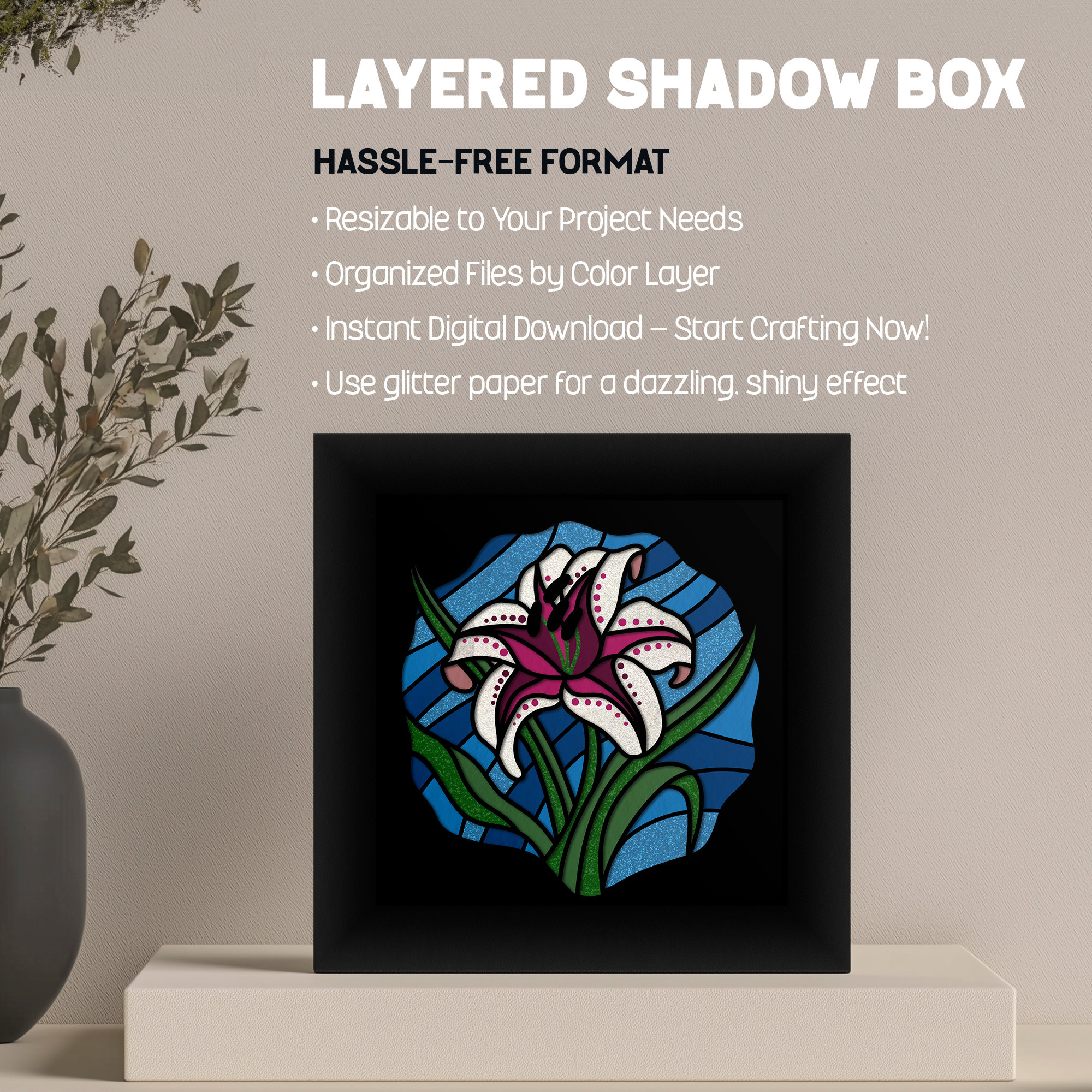
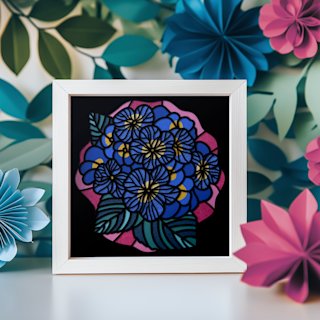
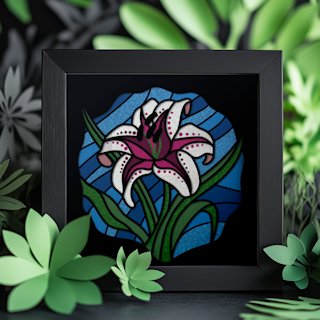
Your canvas color experiments become stunning backdrops when paired with floral and botanical papercut layers. These designs work with alcohol ink, acrylic, and watercolor bases.