Articles 11 min read

Cost Analysis: True Cost of Cardstock Shadow Box Projects

Your comprehensive guide to cardstock shadow box cost.

Cost Analysis: True Cost of Cardstock Shadow Box Projects

Cost Analysis: True Cost of Cardstock Shadow Box Projects

You've fallen in love with those stunning cardstock shadow boxes on Pinterest—intricate layered designs that look professionally made and sell for $50-$150 each. "I can make that myself for way cheaper," you think, ready to buy a Cricut and dive into crafting. But before you click "purchase," you need to understand the true cost of cardstock shadow box projects.

The reality is more nuanced than most crafters expect. While DIY shadow boxes can absolutely save you money compared to buying handmade pieces on Etsy, the initial investment is significant, and per-project costs add up faster than you might realize.

This comprehensive cost analysis breaks down every expense involved in creating cardstock shadow boxes—from the Cricut machine itself to the cardstock, frames, adhesives, replacement blades, and even the hidden costs most crafters overlook. By the end of this guide, you'll know exactly what you'll spend and whether DIY shadow boxes make financial sense for your situation.

The Initial Investment: Getting Started

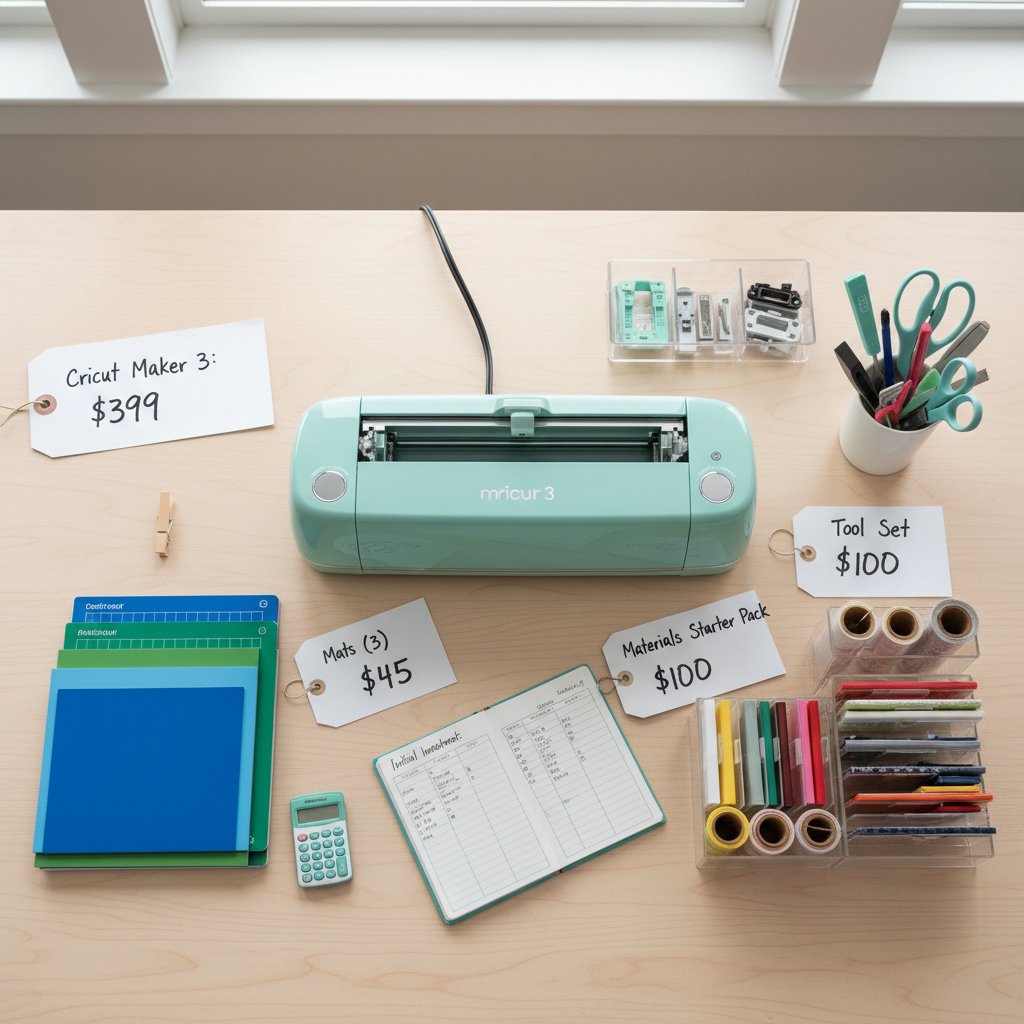
Cricut machine and tools with price tags showing initial investment costs for shadow box projects

For troubleshooting cutting issues, see our comprehensive cardstock troubleshooting guide.

Before you can create your first shadow box, you need the right tools. Here's the complete startup cost breakdown for 2025.

Cricut Machine Costs

Entry-Level Option: Cricut Joy Xtra

  • Price: $149-$179 (often on sale)
  • Max cutting width: 8.5"
  • Best for: Small to medium shadow boxes, beginners testing the hobby
  • Pros: Lowest upfront cost, compact storage
  • Cons: Limited cutting size, fewer features

Mid-Range Option: Cricut Explore 4

  • Price: $199-$249 (current sale price around $199)
  • Max cutting width: 12"
  • Best for: Most shadow box projects, serious hobbyists
  • Pros: Handles standard 12x12 cardstock, Smart Materials compatibility
  • Cons: Lacks some advanced features of Maker

Premium Option: Cricut Maker 4

  • Price: $349-$449 (current sale price around $349)
  • Max cutting width: 12"
  • Best for: Professional crafters, complex intricate designs
  • Pros: More cutting force, adaptive tool system, handles thicker materials
  • Cons: Higher upfront investment

Recommendation: For most shadow box crafters, the Cricut Explore 4 offers the best value. The extra cutting power over the Joy justifies the price difference, while the Maker's premium features aren't essential for cardstock work.

Essential Accessories and Tools

Beyond the machine, you'll need:

Cutting Mats ($10-$15 each):

  • LightGrip Mat (blue): For lightweight cardstock
  • StandardGrip Mat (green): For medium cardstock (most versatile)
  • StrongGrip Mat (purple): For glitter and heavy cardstock
  • Starter recommendation: 2 StandardGrip mats ($25-$30 total)

Replacement Blades ($8-$15 each):

  • Fine-Point Blade: Standard for most cardstock ($8-$10)
  • Premium Fine-Point Blade: Lasts 4x longer ($12-$15)
  • Deep-Point Blade: For thick materials ($12)
  • Starter recommendation: 2-3 spare Fine-Point blades ($20-$30)

Basic Tools ($30-$50):

  • Weeding tools for removing cut pieces ($8-$12)
  • Spatula/scraper for removing cuts from mat ($5-$8)
  • Brayer for securing cardstock to mat ($10-$15)
  • Tweezers for precision placement ($5-$8)
  • Basic tool set (includes all above): $25-$40

Total Initial Investment:

  • Budget setup (Joy Xtra + basics): $200-$260
  • Recommended setup (Explore 4 + full tools): $270-$350
  • Premium setup (Maker 4 + professional tools): $420-$550

Optional But Helpful Investments

Cricut Access Subscription ($9.99/month or $95.88/year):

  • Benefits: 10% off all purchases, free designs, quarterly $10 coupons
  • Worth it if: You buy materials regularly or want access to Cricut's design library
  • Cost savings: Pays for itself if you spend $100+/month on supplies

Design Software Alternatives:

  • Cricut Design Space: Free (included)
  • Adobe Illustrator or Inkscape: $0-$54.99/month (for custom SVG creation)
  • Pre-made SVG files: $2-$8 per design

Per-Project Material Costs
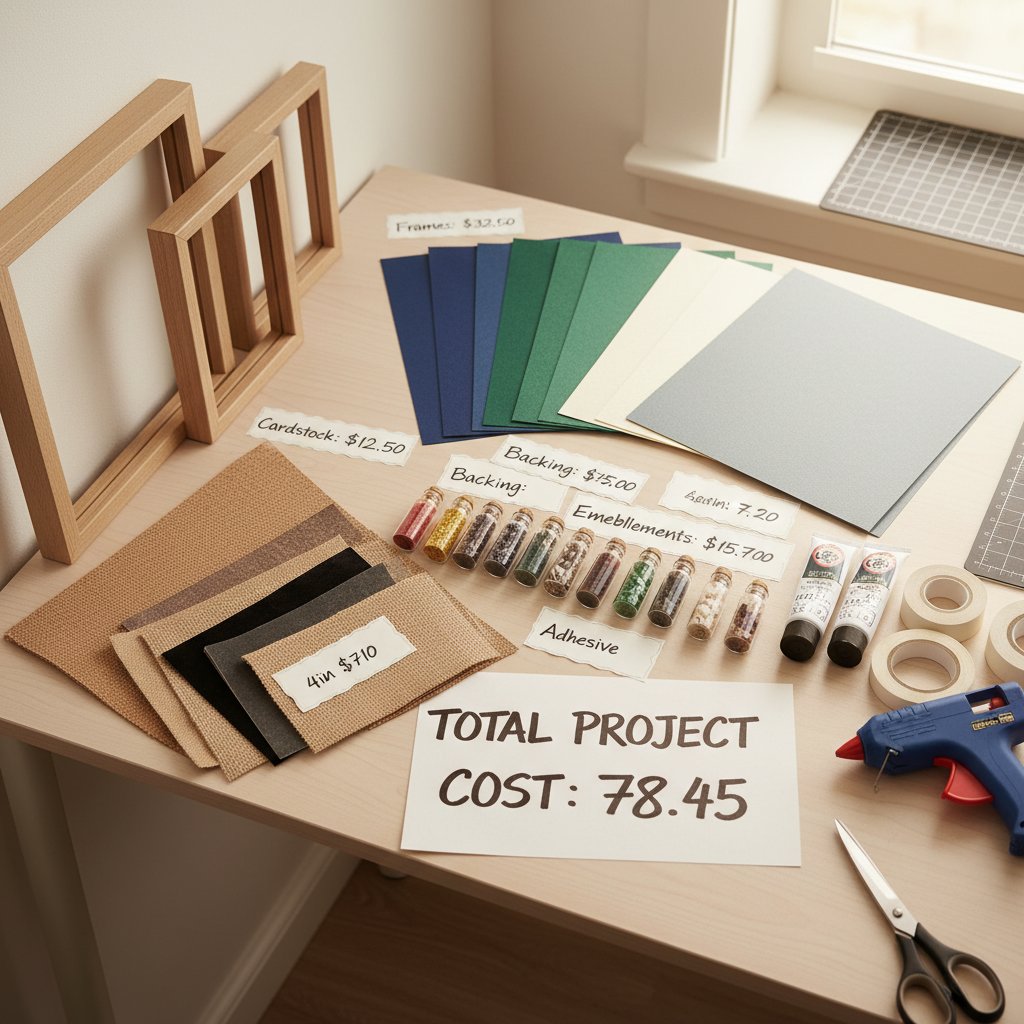
Shadow box project materials with cost breakdown labels including cardstock, frames, and adhesive

Once you've made the initial investment, here's what each shadow box project will cost you.

Cardstock Costs

Budget Cardstock ($0.25-$0.50 per sheet):

  • Examples: Michaels Recollections, Jo-Ann Essentials
  • Quality: Acceptable for practice and gifts
  • Typical pack: 48 sheets for $12-$24 ($0.25-$0.50/sheet)
  • Pros: Affordable for experimenting
  • Cons: May tear more easily, limited color selection

Premium Cardstock ($0.75-$1.50 per sheet):

  • Examples: Cricut Cardstock, DCWV, American Crafts
  • Quality: Smooth cuts, consistent thickness, vibrant colors
  • Typical pack: 20 sheets for $15-$30 ($0.75-$1.50/sheet)
  • Pros: Reliable cutting, professional finish
  • Cons: Higher per-project cost

Specialty Cardstock ($1.50-$3.00 per sheet):

  • Examples: Glitter, metallic, pearl, textured
  • Quality: Premium finishes for high-end projects
  • Typical pack: 10 sheets for $15-$30 ($1.50-$3.00/sheet)
  • Pros: Stunning visual effects
  • Cons: Dulls blades quickly, highest cost

Cardstock per Shadow Box Project:

  • Simple design (5-7 layers): 5-7 sheets = $1.75-$10.50
  • Medium complexity (8-12 layers): 8-12 sheets = $6-$18
  • Intricate design (15+ layers): 15-20 sheets = $11.25-$60

Frame Costs

Budget Frames ($5-$15):

  • Sources: Dollar Tree, Walmart, discount stores
  • Sizes: Typically 8x10"
  • Quality: Basic but functional
  • Best for: Practice pieces, gifts

Mid-Range Frames ($15-$30):

  • Sources: Michaels, Jo-Ann (with coupons), Amazon
  • Sizes: 10x10", 11x14", 12x12"
  • Quality: Good depth, clear glass/acrylic
  • Best for: Most shadow box projects

Premium Frames ($30-$60+):

  • Sources: Specialty frame shops, custom orders
  • Sizes: Custom dimensions, extra depth
  • Quality: Museum glass, deep profiles, professional finish
  • Best for: Selling projects, keepsakes

Average Frame Cost per Project: $15-$25 (assuming mid-range with occasional sales/coupons)

Adhesives and Assembly Materials

3D Foam Adhesive Dots/Squares ($8-$15 per package):

  • Usage: Creates layered depth effect
  • Package size: 400-1000 dots
  • Per-project usage: 50-200 dots depending on complexity
  • Cost per project: $0.80-$3

Craft Glue ($4-$8 per bottle):

  • Usage: Securing layers, reinforcing cuts
  • Bottle lasts: 15-30 projects
  • Cost per project: $0.15-$0.50

Other Assembly Supplies:

  • Backing cardstock for mounting: $0.50-$1
  • Vinyl for delicate cut backing: $0.50-$2 (if needed)

Total Assembly Costs per Project: $1.50-$6.50

Complete Per-Project Cost Breakdown

Simple Shadow Box (5-7 layers, 8x10" frame):

  • Cardstock: $1.75-$3.50
  • Frame: $10-$15
  • Adhesives: $1.50-$2.50
  • Total: $13.25-$21

Medium Shadow Box (8-12 layers, 10x10" frame):

  • Cardstock: $6-$9
  • Frame: $15-$25
  • Adhesives: $2.50-$4
  • Total: $23.50-$38

Complex/Premium Shadow Box (15+ layers, 12x12" premium frame, specialty cardstock):

  • Cardstock: $22.50-$45
  • Frame: $30-$60
  • Adhesives: $4-$6.50
  • Total: $56.50-$111.50

Recurring Replacement Costs

Your initial tools won't last forever. Here's what you'll need to replace and how often.

Blade Replacement Schedule

Fine-Point Blades:

  • Lifespan: 20-30 regular cardstock projects
  • Lifespan with glitter cardstock: 5-10 projects
  • Replacement cost: $8-$10 per blade
  • Annual cost (2 projects/month): $40-$70/year

Premium Blades:

  • Lifespan: 80-120 projects (4x longer)
  • Replacement cost: $12-$15 per blade
  • Annual cost (2 projects/month): $15-$25/year
  • Cost savings over time: Premium blades save $15-$45/year despite higher upfront cost

Cutting Mat Replacement

Mat Lifespan:

  • With proper care and cleaning: 40-60 projects
  • Without care: 15-25 projects
  • Replacement cost: $10-$15 per mat

Annual Mat Costs (2 projects/month, rotating 2 mats):

  • Well-maintained: 1-2 mats/year = $10-$30/year
  • Poor maintenance: 3-4 mats/year = $30-$60/year

Mat Care Extends Life (saves $20-$30/year):

  • Clean with warm soapy water monthly
  • Store covered when not in use
  • Avoid cutting on edges where mats wear first

{{link:qerm:Cutting mat care and troubleshooting guide}}

Total Recurring Annual Costs

Conservative crafter (1 project/month):

  • Blade replacements: $15-$25/year
  • Mat replacements: $10-$20/year
  • Total: $25-$45/year

Active hobbyist (2-3 projects/month):

  • Blade replacements: $40-$70/year
  • Mat replacements: $20-$40/year
  • Total: $60-$110/year

Serious crafter (4+ projects/month):

  • Blade replacements: $80-$140/year
  • Mat replacements: $30-$60/year
  • Total: $110-$200/year

Hidden Costs Most Crafters Overlook

Beyond materials and tools, several "invisible" costs affect your true investment.

Electricity Costs

Cricut machine power consumption:

  • Cutting: 40-60 watts
  • Idle: 5-10 watts
  • Average project cutting time: 15-45 minutes

Cost per project (at $0.13/kWh average):

  • Simple project (15 min): $0.01-$0.02
  • Complex project (45 min): $0.03-$0.05
  • Annual impact (negligible): $0.50-$3/year

Wasted Materials

Learning curve waste:

  • First 5-10 projects: Expect 20-30% material waste from mistakes
  • Cost of learning: $25-$75 in failed cuts, wrong settings, design errors

Ongoing waste (even for experienced crafters):

  • Test cuts before final project: 1-2 sheets/project
  • Failed cuts (blade issues, mat problems): 5-10% waste
  • Annual waste cost: $15-$40/year

Time Investment Value

Time per shadow box project:

  • Design/planning: 30-60 minutes
  • Cutting: 20-60 minutes (depending on complexity)
  • Weeding/assembly: 45-120 minutes
  • Total time: 2-4 hours per project

Hourly cost analysis:

  • If you value your time at $15/hour: $30-$60 in labor per project
  • If you value your time at $25/hour: $50-$100 in labor per project

Important note: Most crafters don't count hobby time as "cost" because the enjoyment is the value. But if you're crafting to save money rather than for pleasure, time has real value.

Storage and Organization

Storage solutions:

  • Cardstock organizer: $20-$50
  • Blade/tool storage: $10-$25
  • Frame storage: $15-$30
  • Dedicated workspace/table: $50-$300 (if needed)
  • One-time storage investment: $95-$405

Cost Comparison: DIY vs. Buying

Now for the critical question: Is making shadow boxes actually cheaper than buying them?

Retail Shadow Box Prices

Etsy handmade shadow boxes (comparable to DIY quality):

  • Simple designs: $35-$60
  • Medium complexity: $60-$120
  • Intricate custom pieces: $120-$250

Store-bought decorative shadow boxes:

  • Mass-produced: $20-$50
  • Higher quality: $50-$150

Break-Even Analysis

Scenario 1: Casual crafter (6 projects/year)

  • Initial investment: $300
  • Per-project cost: $25 average
  • Annual material cost: $150
  • Year 1 total: $450
  • Buying equivalent on Etsy: 6 × $75 = $450
  • Break-even point: Year 1

Scenario 2: Active hobbyist (24 projects/year)

  • Initial investment: $300
  • Per-project cost: $28 average (more complex projects)
  • Annual material/replacement cost: $672
  • Year 1 total: $972
  • Buying equivalent on Etsy: 24 × $85 = $2,040
  • Savings Year 1: $1,068
  • Break-even point: Immediate (first year)

Scenario 3: Gift-giver making simple boxes (12 projects/year)

  • Initial investment: $250 (budget setup)
  • Per-project cost: $18 (simpler designs)
  • Annual material cost: $216
  • Year 1 total: $466
  • Buying similar retail: 12 × $45 = $540
  • Savings Year 1: $74
  • Break-even point: Year 1 (marginal savings)

When DIY Saves Money

DIY cardstock shadow boxes make financial sense if:

  • ✅ You'll create 15+ projects over 2 years
  • ✅ You enjoy the creative process (time has value beyond money)
  • ✅ You're making gifts regularly (birthdays, holidays, weddings)
  • ✅ You want custom designs not available retail
  • ✅ You plan to sell projects eventually

When Buying Makes More Sense

Buying ready-made shadow boxes is smarter if:

  • ❌ You only want 1-3 shadow boxes total
  • ❌ You hate detailed craft work or lack patience
  • ❌ You need the piece immediately (no time to learn and create)
  • ❌ You have no storage space for tools and materials
  • ❌ You value your leisure time very highly ($50+/hour)

How to Minimize Your Costs

If you've decided to pursue DIY shadow boxes, these strategies will maximize your savings.

Smart Shopping Strategies

1. Buy machines during major sales:

  • Black Friday/Cyber Monday: 20-40% off
  • Prime Day (July): 15-30% off
  • Back-to-school season: 15-25% off
  • Savings: $50-$150 on machine purchase

2. Use coupons strategically:

  • Michaels: 40-50% off one item (use on frames)
  • Jo-Ann: 40-60% off one item (use on large cardstock packs)
  • Hobby Lobby: Weekly 40% off rotating categories
  • Savings: $5-$15 per shopping trip

3. Buy cardstock in bulk:

  • Single sheets: $0.75-$1.50 each
  • 48-sheet packs: $0.25-$0.50 each
  • Savings: 50-67% per sheet

4. Subscribe to Cricut Access:

  • Cost: $9.99/month
  • Benefits: 10% off everything + quarterly $10 coupons
  • Pays for itself at: $100/month in purchases
  • Annual savings: $48-$120 if you shop regularly

Material-Saving Techniques

1. Use test cuts wisely:

  • Always run one test cut on scrap cardstock first
  • Saves costly premium cardstock from blade/setting errors
  • Savings: 1-2 sheets per project ($1-$3)

2. Optimize your designs:

  • Arrange cuts to minimize cardstock waste
  • Use negative space from one cut for another project element
  • Savings: 10-15% material reduction

3. Extend blade life:

  • Clean blade after every 3-5 projects
  • Reserve old blades for practice cuts
  • Invest in premium blades for important projects
  • Savings: $20-$40/year in blade costs

4. Restore mat stickiness instead of replacing:

  • Wash with warm soapy water (free)
  • Use adhesive spray ($8, lasts for 4-6 restorations)
  • Savings: $30-$50/year in mat costs

{{link:qerm:Complete troubleshooting guide for cutting problems}}

Free and Low-Cost Design Resources

Free SVG sources:

  • Cricut Design Space free library (limited selection)
  • Freepik, Pixabay, and other free design sites
  • Creator blogs offering free files
  • Savings: $2-$8 per project vs. buying SVGs

Design once, use multiple times:

  • Create templates for common sizes
  • Modify color schemes for different occasions
  • Savings: Hours of design time per project

The Verdict: Is It Worth It?

The true cost of cardstock shadow box crafting depends entirely on your goals, volume, and how much you value the creative process.

Bottom line for different situations:

For gift-givers and hobbyists (10+ projects/year):

  • Initial investment: Pays off within 12-18 months
  • Long-term savings: $30-$80 per project vs. buying handmade
  • Worth it: ✅ Yes, strong financial case

For business/selling (20+ projects/year):

  • Initial investment: Pays off within 3-6 months
  • Profit potential: $25-$150 per sold shadow box (after costs)
  • Worth it: ✅ Absolutely, excellent ROI

For occasional crafters (1-5 projects/year):

  • Initial investment: May never fully recoup
  • Enjoyment value: High if you love crafting
  • Worth it: ⚠️ Maybe, depends on enjoyment factor

For one-time projects:

  • Financial savings: None (cheaper to buy)
  • Worth it: ❌ No, unless you plan to continue

The hidden truth: Most crafters don't save significant money in Year 1 after accounting for all costs. The real value is in Years 2-3 when you've already made the initial investment and are only paying for materials. That's when per-project costs drop dramatically below retail prices.

Your action plan:

  1. Calculate how many shadow boxes you realistically want to make in 2 years
  2. Multiply that number by $25-$35 (average per-project cost after initial investment)
  3. Add your initial investment ($250-$350 for recommended setup)
  4. Compare to buying equivalent pieces retail
  5. If DIY is cheaper and you'll enjoy the process, invest in the Cricut
  6. If it's close or buying is cheaper, purchase ready-made unless you value the creative experience

Remember: The best investment is one that brings both financial savings and personal satisfaction. If you love creating, the value goes far beyond the dollars.