Step 9: Advanced Techniques for Difficult Materials
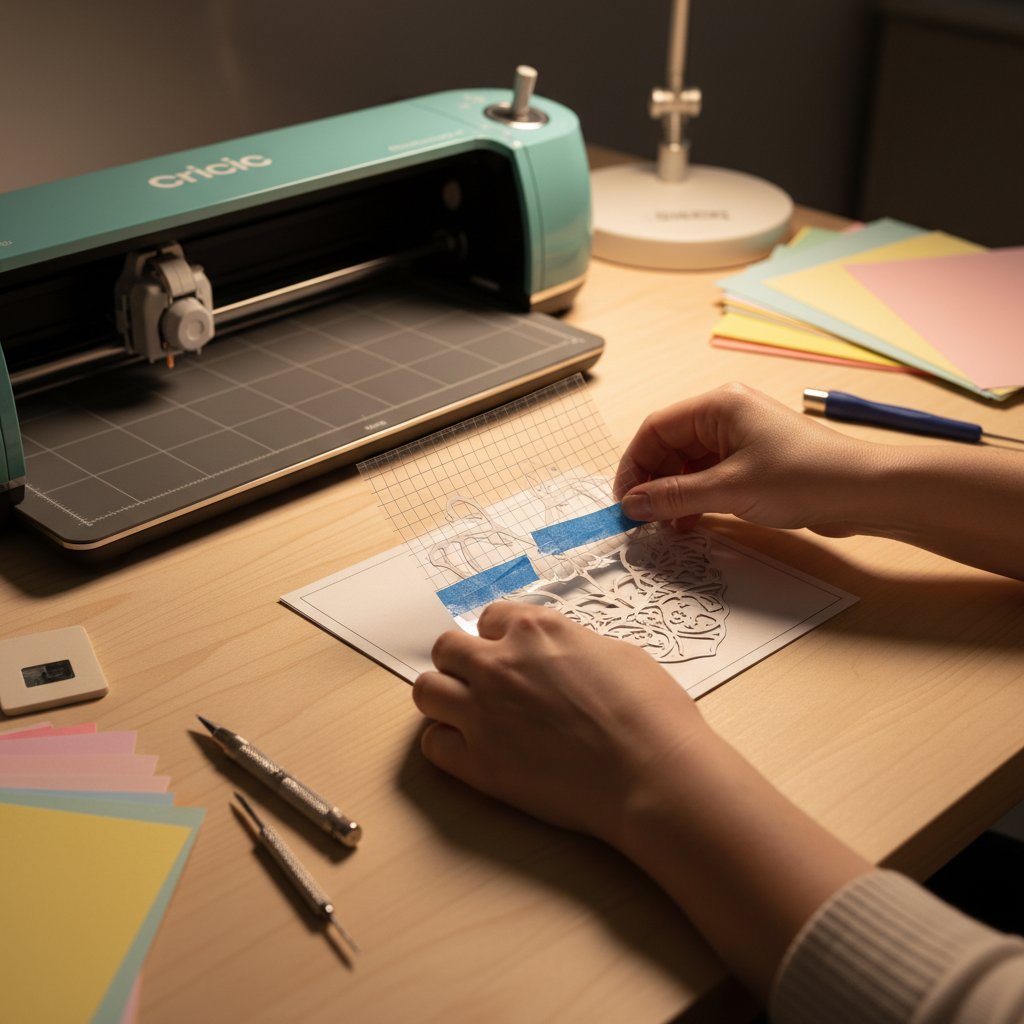
Some cardstock types and designs challenge even perfectly configured machines. Glitter cardstock, metallic finishes, ultra-heavy weights, and extremely intricate designs require specialized techniques beyond standard settings. This step provides advanced solutions for the toughest cutting scenarios.
Glitter Cardstock Techniques:
Glitter cardstock tears easily because the glitter coating disrupts blade movement and creates uneven cutting resistance. Solutions include using "Glitter Cardstock" material setting (or custom setting with reduced pressure), enabling multi-pass cutting (2-3 passes) instead of high single-pass pressure, placing a piece of washi tape on the back of intricate areas to reinforce the cardstock, and using a Deep Point Blade instead of Fine Point for thicker glitter cardstock. Always clean your blade after cutting glitter cardstock, as glitter particles accumulate rapidly and cause subsequent cutting problems. For complete glitter cardstock techniques, see our glitter cardstock cutting guide.
Metallic and Pearl Cardstock Solutions:
Metallic finishes create a hard, slick surface that blades can skate across rather than cutting cleanly. Use the dedicated "Metallic" or "Pearl Paper" material settings, ensure your mat is very sticky (metallic cardstock shifts more easily), cut with the metallic side facing up for best results, and consider light misting of the back side to slightly soften the paper (test first on scraps). Replace blades more frequently when cutting metallic cardstock, as the hard coating dulls blades faster than standard paper. For detailed metallic cutting techniques, see our metallic and pearl cardstock cutting guide.
Ultra-Heavy Cardstock (100lb+):
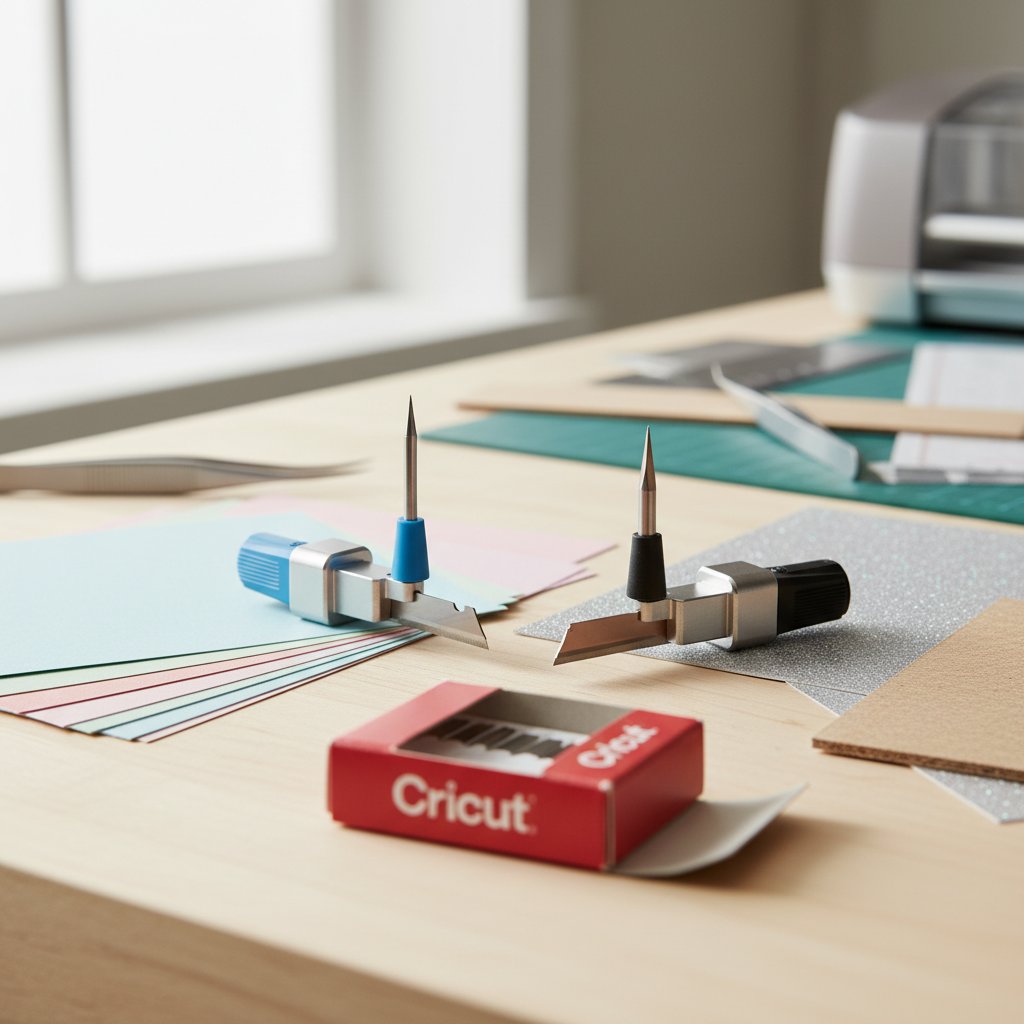
Cardstock over 100lb weight challenges many Cricut models. Techniques include using the Deep Point Blade or Knife Blade (Maker only) instead of Fine Point, enabling maximum pressure settings plus multi-pass (3 passes recommended), using the double-cut technique (cut twice without unloading mat), and simplifying designs to reduce extremely fine details that won't cut cleanly in heavy stock. For weights above 110lb, consider whether your project would work better with chipboard settings and tools.
Intricate Design Optimization:
Extremely detailed designs with fine lines, small interior cuts, or delicate connections often tear regardless of settings. Solutions include scaling up designs—details under 0.25 inches often tear, adding small weeding boxes around tiny interior cuts to provide removal access, using "Cardstock for Intricate Cuts" material setting, enabling multi-pass at reduced pressure rather than single high-pressure pass, and manually editing designs in Design Space to simplify problem areas or reinforce delicate connections. Sometimes redesigning one or two problematic elements saves an entire project.
The Freezer Paper Backing Technique:
For cardstock that tears persistently on intricate designs, try this advanced technique: iron a piece of freezer paper to the back of your cardstock (shiny side against cardstock), cut the project with both layers together, and remove freezer paper after cutting. The freezer paper provides temporary reinforcement that prevents tearing while cutting. This works exceptionally well for delicate lace-like designs in thin cardstock.
Washi Tape Reinforcement:
For specific problem areas that consistently tear, apply washi tape to the back of the cardstock in those areas before cutting. The tape provides reinforcement without significantly affecting cutting difficulty. Remove tape after cutting. This targeted approach saves difficult projects without requiring full backing techniques.
Textured Cardstock Considerations:
Heavily textured or embossed cardstock presents uneven cutting resistance. Always place textured side facing up (cutting from the smooth back produces cleaner results), increase pressure by 2-4 units compared to smooth cardstock of the same weight, and expect more blade wear—replace blades more frequently when cutting textured materials regularly. Some extremely deep textures simply can't be cut cleanly with rotary cutters and may require alternative tools.
With these advanced techniques mastered, you can tackle virtually any cardstock cutting challenge. Now let's cover when to seek additional help.