Articles 13 min read

Paper Cut Shadow Box vs Traditional - Key Differences

Your comprehensive guide to paper cut shadow box.

Paper Cut Shadow Box vs Traditional - Key Differences

Paper Cut Shadow Box vs Traditional: Key Differences Explained

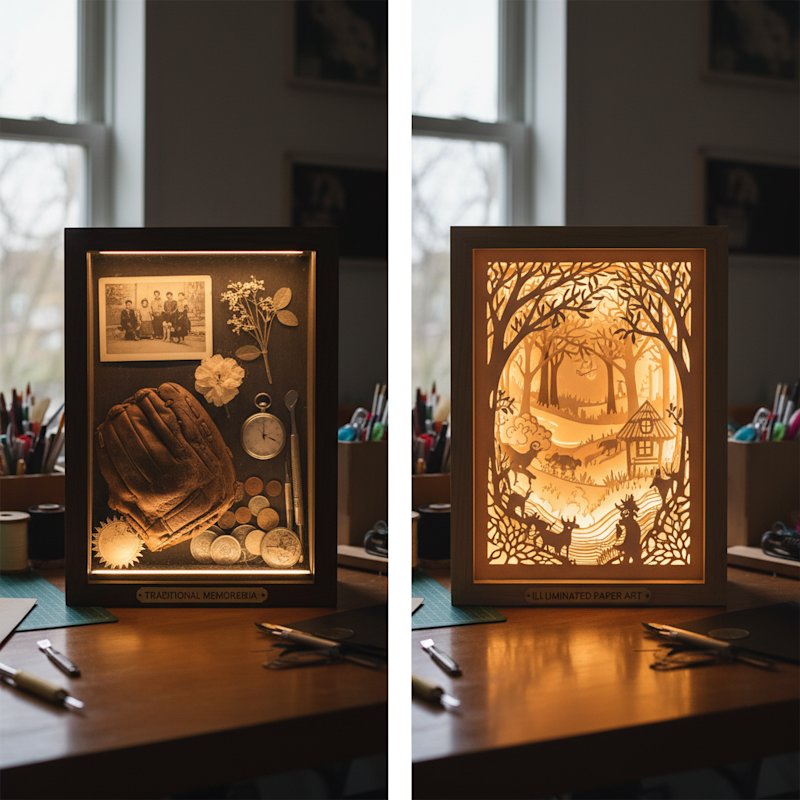
When you first hear about shadow boxes, it's easy to assume they're all the same type of display frame. However, there's a significant difference between paper cut shadow boxes and traditional shadow boxes, and understanding these differences helps you choose the right approach for your crafting goals.

If you're new to creating layered paper cut shadow boxes with your Cricut or Silhouette, you might wonder how these illuminated paper art pieces differ from the traditional shadow boxes you've seen displaying military medals, wedding memorabilia, or collectibles. While both use deep frames, their purposes, construction methods, and final results are completely different.

This guide explores the key differences between paper cut shadow boxes and traditional shadow boxes, helping you understand which type suits your project needs and creative goals.

What is a Traditional Shadow Box?

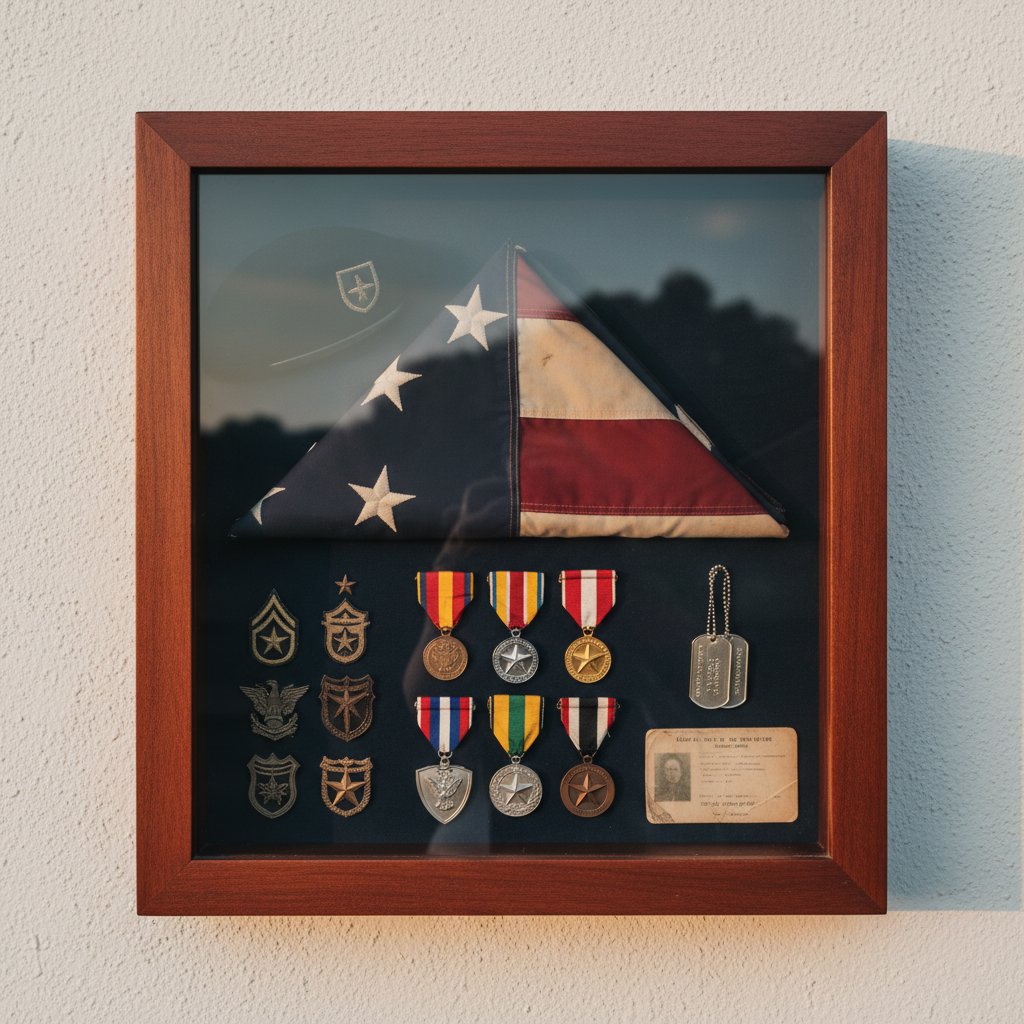
Traditional shadow box displaying military memorabilia including medals, badges, and folded flag in a deep frame with glass front

A traditional shadow box is a deep, glass-fronted display case designed to hold and showcase three-dimensional objects, memorabilia, and collectibles. Unlike flat picture frames, traditional shadow boxes have significant depth, typically 2-4 inches, which creates space to display physical items while protecting them behind glass.

The name "shadow box" comes from the shadow effect created by the frame's depth. When light hits the displayed objects inside, it casts shadows against the backing, creating visual depth and dimension that makes items stand out.

Common Uses for Traditional Shadow Boxes

Traditional shadow boxes serve as preservation and display cases for sentimental and valuable items:

Military memorabilia: Medals, badges, patches, rank insignia, and folded flags from servicemen and women. There's a naval tradition where sailors would collect their service memorabilia in wooden shadow boxes representing the "shadow" of their career.

Sports achievements: Jerseys, medals, championship pins, signed balls, and other athletic accomplishments.

Wedding and baby keepsakes: Invitation cards, dried flowers, ribbons, hospital bracelets, first shoes, or special outfits.

Collections: Coins, stamps, vintage buttons, antique keys, or small collectibles arranged artfully.

Family heirlooms: Vintage jewelry, antique tools, inherited items, or objects with family history.

Art and crafts: Small sculptures, origami, handmade miniatures, or dimensional art pieces.

The primary purpose of traditional shadow boxes is to protect and preserve actual physical objects while displaying them in an attractive, organized manner. The glass front keeps items safe from dust, humidity, and handling damage.

Construction of Traditional Shadow Boxes

Traditional shadow boxes are relatively simple in construction:

Frame: A deep box-style frame with 2-4 inch depth, available in various sizes from 8x10 inches to large custom dimensions.

Glass or acrylic front: Clear protective cover that allows viewing while protecting contents.

Backing board: Solid back panel, often covered in fabric, felt, or decorative paper, against which items are displayed.

Mounting method: Items are secured to the backing using pins, adhesive, wire, small shelves, or mounting putty, depending on the object's weight and type.

Display orientation: Can be wall-mounted or freestanding, depending on frame hardware.

The assembly process is straightforward: arrange your objects on the backing board, secure them in place, insert the backing into the frame, and seal it closed. There's no cutting, layering, or complex construction beyond thoughtful arrangement.

What is a Paper Cut Shadow Box?

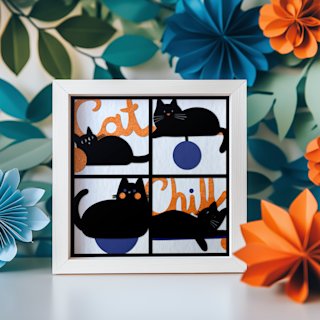
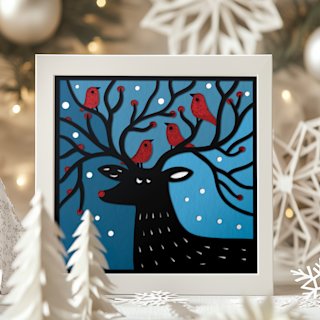
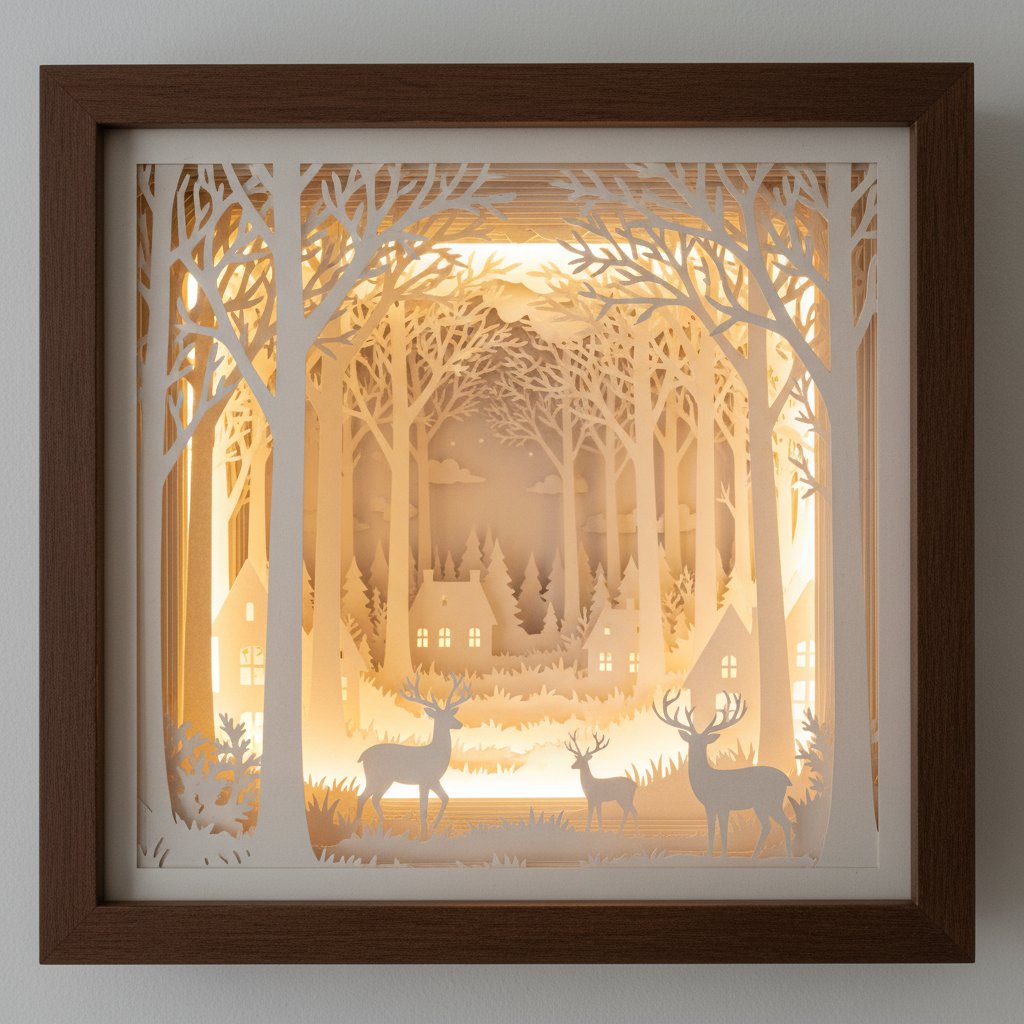
Illuminated paper cut shadow box showing multiple layers of precisely cut cardstock with foam spacers and LED backlighting creating glowing dimensional effect

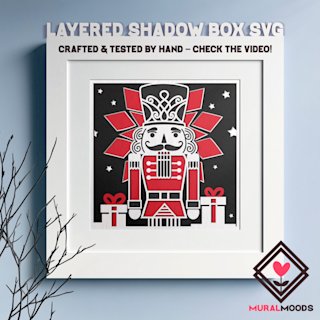
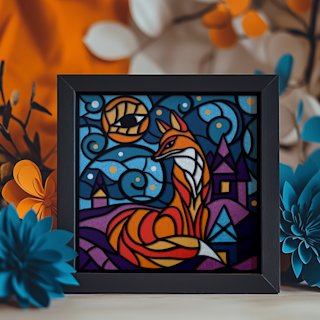
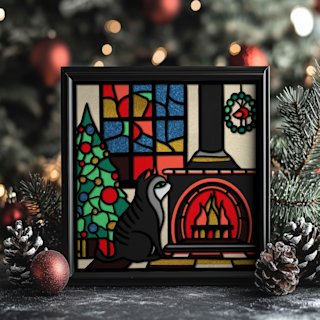
A paper cut shadow box is an entirely different type of project. Rather than displaying physical objects, it's a form of illuminated paper art created by stacking multiple layers of precisely cut cardstock with foam spacers between them, creating a three-dimensional scene that comes alive with LED backlighting.

When you create a layered paper cut shadow box, you're building a dimensional paper sculpture using 6-12 layers of cardstock, each with intricate cutout designs. Foam spacers separate the layers, creating depth, and LED lights placed behind the layers illuminate the design, making it glow with stunning visual impact.

The Structure of Paper Cut Shadow Boxes

Paper cut shadow boxes use a fundamentally different construction approach:

Multiple cardstock layers: Typically 6-12 layers of 65-80 lb cardstock, each precisely cut with different design elements. Layer 1 (front) features the most prominent design elements, while back layers contain supporting details and background elements.

Foam spacers: Small pieces of 5mm foam board or foam mounting tape positioned between each layer, creating the critical spacing that generates three-dimensional depth. A typical 10-layer project uses 50-100 small foam spacers strategically placed.

Precise cutting: Each layer is cut using a Cricut or Silhouette cutting machine following an SVG template. The precision of machine cutting ensures perfect alignment and intricate details that would be nearly impossible to achieve by hand.

LED backlighting: Battery-operated LED strip lights installed along the frame's back edges or perimeter create the illumination effect. Light shines through the layers and cutouts, creating highlights, shadows, and a magical glowing appearance.

Deep box frame: Similar to traditional shadow boxes, paper cut versions require deep frames (7-8cm depth) to accommodate the stacked layers plus lighting, but the frame serves as the housing for paper layers rather than a display case for objects.

The Purpose of Paper Cut Shadow Boxes

Paper cut shadow boxes serve as decorative art pieces and illuminated displays:

Seasonal decor: Christmas scenes with cardinals and winter landscapes, Halloween designs, Easter themes, autumn foliage.

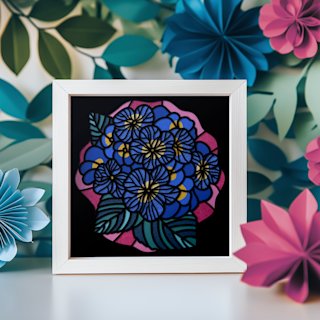
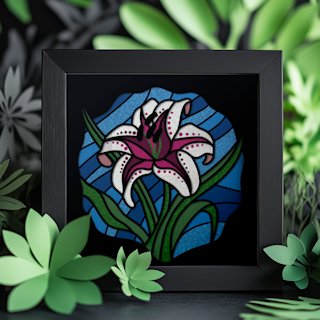
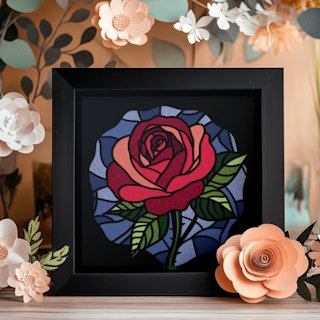
Nature and florals: Roses, hydrangeas, botanical designs, tree silhouettes, forest scenes.

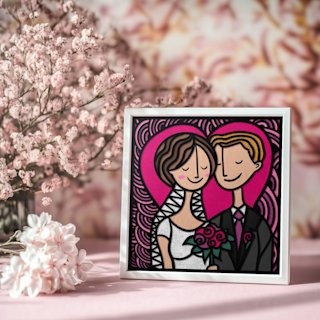
Personalized gifts: Custom designs for weddings, anniversaries, births, memorials with names and dates incorporated.

Home decor: Beautiful illuminated art for bedrooms, nurseries, living rooms, or offices.

Creative expression: A way to create professional-looking dimensional art using your cutting machine skills.

Unlike traditional shadow boxes that preserve existing objects, paper cut shadow boxes are created artwork. You're making something new rather than displaying something you already own.

Key Differences Between Paper Cut and Traditional Shadow Boxes

Purpose and Function

Traditional shadow boxes preserve and display existing three-dimensional objects. You select items you already own or have collected, arrange them attractively, and secure them in the frame. The shadow box protects your items while making them visible.

Paper cut shadow boxes are created artwork. You're making a new dimensional piece using cutting machine techniques, cardstock, and lighting. Nothing existed before you created it.

Materials and Supplies

Traditional shadow boxes require:

  • The items you want to display
  • A deep frame
  • Mounting materials (pins, adhesive, wire, putty)
  • Backing board (often fabric-covered)
  • Optional: decorative background materials

Paper cut shadow boxes require:

  • Multiple sheets of cardstock (6-12+ sheets)
  • Cutting machine (Cricut or Silhouette)
  • SVG template file
  • Foam spacers or mounting tape
  • LED strip lights and battery pack
  • Deep box frame
  • Cutting tools (weeding tool, spatula)
  • Adhesive for assembly

The material costs differ significantly. Traditional shadow boxes mainly need the frame and basic mounting supplies, while paper cut shadow boxes require cardstock, specialty cutting supplies, lighting, and templates.

Skill Level and Time Investment

Traditional shadow boxes are beginner-friendly and quick to assemble. Anyone can arrange objects in a frame, and the process typically takes 30-60 minutes depending on complexity. The main skill is aesthetic arrangement of your items.

Paper cut shadow boxes require intermediate crafting skills and significantly more time. Your first project may take 3-4 hours, including cutting all layers (60-90 minutes), weeding intricate details, assembling layers with precise alignment (60-90 minutes), and installing lighting. You need familiarity with your cutting machine, experience with cardstock projects, and patience for detailed work.

However, once you've completed 2-3 paper cut shadow boxes, the process becomes faster and easier. Experienced crafters can complete simpler designs in 2 hours.

Visual Impact and Aesthetics

Traditional shadow boxes create visual interest through the arrangement and significance of the displayed objects. The depth of the frame creates natural shadows, and the items themselves provide texture, color, and meaning. The impact comes from what you're displaying and how it's arranged.

Paper cut shadow boxes create dramatic visual impact through light, layering, and dimensional depth. When illuminated, the LED backlighting shines through layers and cutouts, creating a glowing effect that highlights every detail. The three-dimensional depth created by foam spacers makes flat paper appear to have significant dimension. The visual effect is often stunning and eye-catching, especially in low-light conditions where the illumination effect is most prominent.

Customization and Personalization

Traditional shadow boxes are customized by selecting which items to display and how to arrange them. You might choose fabric colors for the backing, add labels or nameplates, or arrange items in meaningful patterns. The customization is in curation and arrangement.

Paper cut shadow boxes can be customized through color choices, design selection, and template modifications. You can:

  • Choose cardstock colors to match your decor
  • Resize designs for different frame sizes
  • Combine elements from multiple templates
  • Add personalized text or names
  • Modify designs in your cutting software
  • Select LED light colors (with RGB lights)

Both offer personalization, but in very different ways.

Durability and Maintenance

Traditional shadow boxes are very durable once assembled. The glass protects items from dust and damage, and properly secured objects won't shift or fall. Maintenance is minimal, usually just cleaning the glass periodically.

Paper cut shadow boxes are generally durable when assembled correctly with strong foam spacers and adhesive. However, they require some ongoing care:

  • Battery replacement every few months (depending on usage)
  • Keeping away from direct sunlight (which can fade cardstock)
  • Occasional dusting (if not fully sealed)
  • Careful handling during moves (layers can shift if dropped)

The LED lights typically last for years, but battery packs may eventually need replacement.

Cost Considerations

Traditional shadow boxes: Costs vary widely based on what you're displaying and frame quality. Basic projects cost $15-30 for the frame plus mounting supplies. Custom framing services can cost $100-500+ for large or complex displays.

Paper cut shadow boxes: Initial investment is higher due to equipment and supplies. Your first project costs approximately:

  • $20-40 for the frame
  • $10-20 for cardstock (buying extra for test cuts)
  • $10-20 for LED lights
  • $5-10 for foam spacers
  • $3-15 for SVG template
  • Total: $48-105 for your first project

However, once you have lights, foam spacers, and tools, subsequent projects only require cardstock, templates, and frames, reducing costs to $30-60 per project.

If you already own a Cricut or Silhouette machine, paper cut shadow boxes are cost-effective art projects. If you need to purchase a cutting machine specifically for this craft, factor in $200-400 for the machine.

Which Type of Shadow Box is Right for You?

Choose Traditional Shadow Boxes If You Want To:

  • Display and preserve meaningful physical objects (medals, jerseys, wedding items, collectibles)
  • Create a memorial or tribute to someone using their belongings
  • Showcase a collection you've accumulated over time
  • Preserve family heirlooms while making them visible
  • Complete a project quickly with minimal equipment
  • Work with items that have sentimental or historical value

Traditional shadow boxes are perfect when you have specific items to display and want to protect them while showing them off.

Choose Paper Cut Shadow Boxes If You Want To:

  • Create illuminated decorative art for your home
  • Use your Cricut or Silhouette machine for dimensional projects
  • Make personalized gifts that look professional and impressive
  • Build seasonal decor you can rotate throughout the year
  • Develop paper crafting skills with challenging projects
  • Enjoy the process of creating something from scratch
  • Produce items you might sell on Etsy or at craft fairs

Paper cut shadow boxes are ideal when you want to create beautiful art using your cutting machine and enjoy the meditative process of detailed crafting.

Can You Combine Both Approaches?

Interestingly, some crafters combine elements of both shadow box types. For example:

Hybrid approach 1: Create a paper cut shadow box background scene, then add small physical objects in front of it. A tree scene might have tiny physical birds or flowers added to the front layer.

Hybrid approach 2: Use paper cutting techniques to create decorative frames or border elements around physical objects in a traditional shadow box display.

Hybrid approach 3: Create a multi-compartment shadow box with some sections containing paper cut art and other sections displaying physical memorabilia.

These hybrid approaches require careful planning but can create unique, personalized displays that combine the best of both techniques.

Getting Started with Each Type

Starting with Traditional Shadow Boxes

To create your first traditional shadow box:

  1. Gather the items you want to display
  2. Measure the largest items to determine required frame depth
  3. Purchase an appropriate deep frame from a craft store
  4. Choose backing material (fabric, decorative paper, or plain backing)
  5. Arrange items in the frame to find an appealing layout
  6. Secure items using appropriate mounting method
  7. Clean the glass, close the frame, and display

Traditional shadow boxes are beginner-friendly and require no special equipment beyond basic crafting supplies.

Starting with Paper Cut Shadow Boxes

To create your first paper cut shadow box, follow this process:

  1. Choose a beginner-friendly SVG template (6-8 layers, moderate detail)
  2. Purchase materials: cardstock, frame, LED lights, foam spacers
  3. Import your SVG into Cricut Design Space or Silhouette Studio
  4. Cut all layers using proper cardstock settings
  5. Weed each layer carefully, removing all cutout pieces
  6. Assemble layers with foam spacers, checking alignment
  7. Install LED lights in the frame
  8. Place assembled layers in the frame and enjoy

If you're new to paper cut shadow boxes, start with our complete beginner guide that walks through each step in detail with tips for successful results.

Common Questions About Shadow Box Types

Can I use the same frame for both types?

Yes, deep box frames work for both traditional and paper cut shadow boxes. However, paper cut shadow boxes require slightly more depth (7-8cm) to accommodate layers plus lighting, while traditional shadow boxes can work with shallower depths (5-6cm) if you're displaying flat items.

Which type makes better gifts?

Both make wonderful gifts, but for different reasons:

  • Traditional shadow boxes are perfect when you want to preserve and present meaningful items (wedding memorabilia, baby's first items, achievement displays)
  • Paper cut shadow boxes make impressive gifts when you want to create beautiful custom art (personalized names, special dates, recipient's favorite themes)

Which is easier for beginners?

Traditional shadow boxes are significantly easier for complete beginners since they require no special equipment and minimal crafting skills. Paper cut shadow boxes require a cutting machine and intermediate crafting experience, making them better suited for crafters who've already completed basic Cricut or Silhouette projects.

Can I sell shadow boxes I make?

Both types can be sold, but consider these factors:

Traditional shadow boxes: You'd typically offer the custom framing service rather than selling pre-made boxes, since each customer has different items to display.

Paper cut shadow boxes: Many Etsy sellers successfully sell completed paper cut shadow boxes. However, verify that your SVG template includes a commercial license if you plan to sell finished products made from the template.

Conclusion

While both paper cut shadow boxes and traditional shadow boxes use deep frames and create dimensional displays, they serve fundamentally different purposes and require different approaches.

Traditional shadow boxes excel at preserving and displaying physical objects you want to protect and showcase. They're quick to assemble, require minimal equipment, and work beautifully for memorabilia, collectibles, and sentimental items.

Paper cut shadow boxes are illuminated art pieces you create from scratch using your cutting machine. They require more time, specialized supplies, and intermediate skills, but produce stunning backlit dimensional art perfect for home decor, personalized gifts, and seasonal displays.

Understanding these differences helps you choose the right shadow box approach for your specific project. If you have meaningful objects to display, traditional shadow boxes are perfect. If you want to create beautiful illuminated art using your Cricut or Silhouette, paper cut shadow boxes offer endless creative possibilities.

Many crafters enjoy both types, using traditional shadow boxes for preserving family treasures and paper cut shadow boxes for creating decorative art. Each technique has its place in your crafting repertoire, and mastering both expands your creative options.

Ready to create your first paper cut shadow box? Our complete beginner guide covers everything you need to know, from choosing materials to final assembly and lighting installation.