Articles 14 min read

Shadow Box Frame for Paper Cut: Choosing Size & Depth

Your comprehensive guide to shadow box frame for paper cut.

Shadow Box Frame for Paper Cut: Choosing Size & Depth

Shadow Box Frame for Paper Cut: Choosing Size & Depth

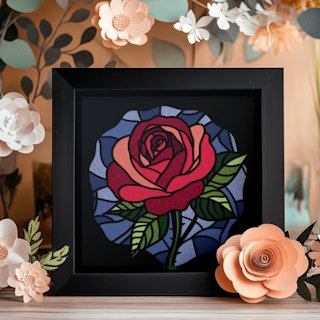
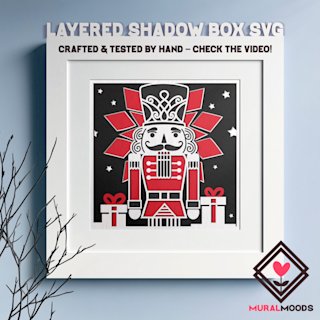
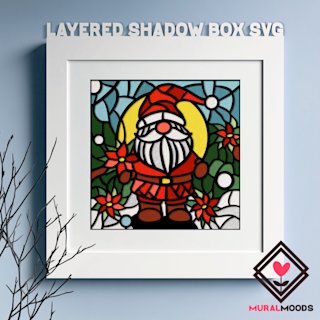
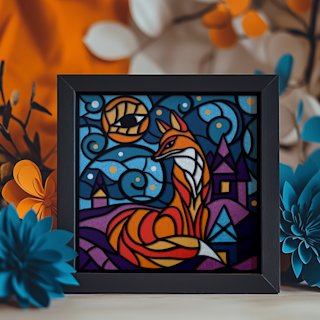
Selecting the right shadow box frame for your paper cut project makes the difference between a stunning dimensional artwork and a disappointing flat display. When you're creating layered paper cut shadow boxes, understanding frame depth requirements, standard sizes, and how to calculate the space you need ensures your carefully crafted layers have room to breathe and your LED lighting creates that magical backlit glow.

Whether you're a new Cricut owner planning your first project or an experienced crafter expanding to more complex multi-layer designs, this guide walks you through choosing the perfect shadow box frame for paper cut projects. You'll learn how to calculate required depth based on your layer count, understand standard frame sizes and their advantages, and avoid common sizing mistakes that can ruin an otherwise beautiful project.

Why Frame Depth Matters for Paper Cut Shadow Boxes

Unlike traditional picture frames that hold flat artwork behind glass, shadow box frames (also called box frames or deep frames) provide dimensional space between the glass front and the backing. This critical depth accommodates your stacked paper layers, foam spacers, and LED lighting while preventing compression that would destroy the three-dimensional effect.

Insufficient depth is one of the most frustrating mistakes new shadow box crafters make. When you assemble your beautifully cut layers only to discover they don't fit in your frame, you face difficult choices: compress the layers (destroying the depth effect), remove layers (compromising your design), or purchase a new deeper frame (wasting time and money).

The depth requirement for paper cut shadow boxes depends on several factors working together: the number of layers in your design, the thickness of your cardstock, the spacer thickness between layers, the LED light installation method, and clearance space to prevent the layers from touching the glass.

Proper depth calculation ensures your finished shadow box has room for all components while maintaining the dimensional spacing that creates stunning visual depth. When backlit correctly, each layer casts subtle shadows on the layers behind it, creating a professional gallery-quality appearance that only works when adequate depth allows proper layer separation.

Understanding Shadow Box Frame Components

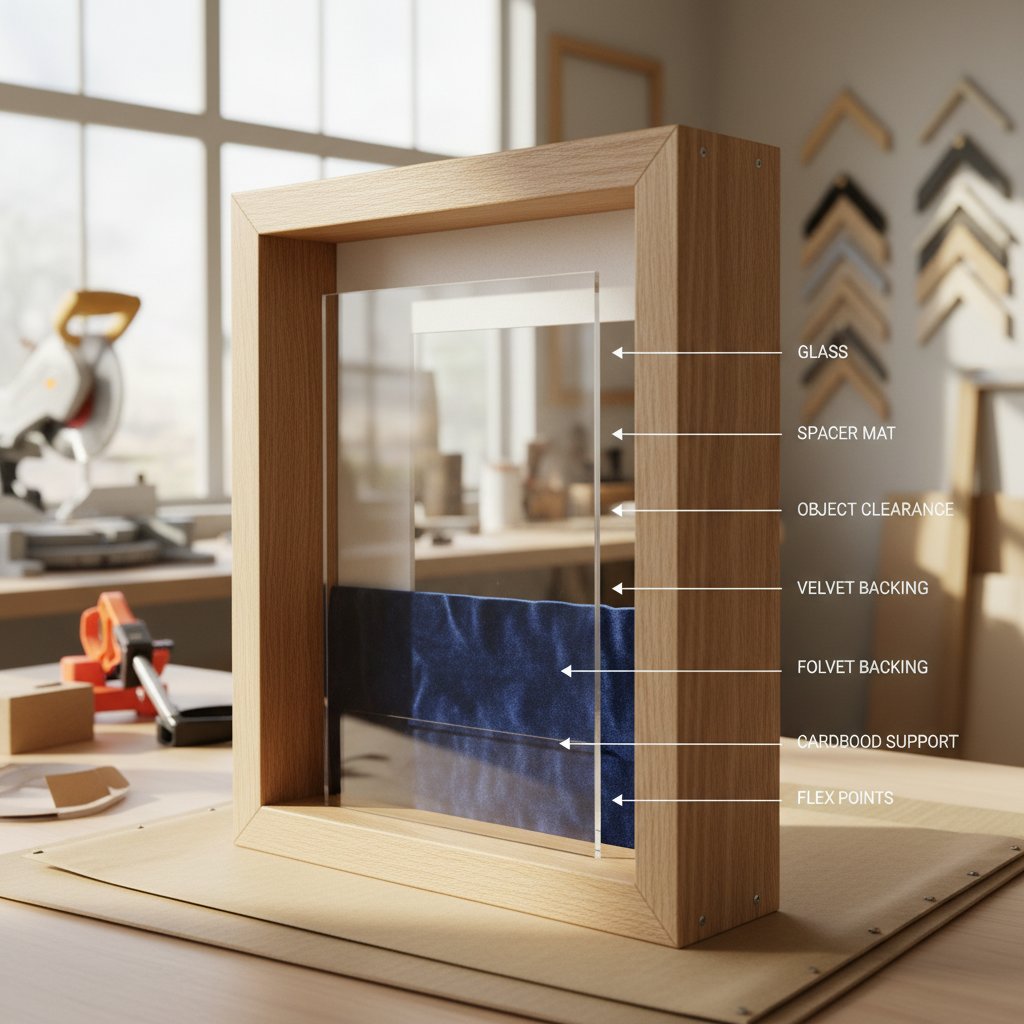
Shadow box frame components showing rabbet depth, glass, backing board, and internal clearance layers for paper cut projects

Before calculating depth requirements, understanding the components of a shadow box frame helps you make informed purchasing decisions.

Frame Construction

The frame itself consists of four sides (usually wood, MDF, or composite material) joined at corners. Frame width (the thickness of the frame material visible from the front) varies from slim 0.5-inch profiles to chunky 2-inch profiles, but this doesn't affect internal depth capacity.

The rabbet is the stepped recess on the inside edge of the frame where components sit. The rabbet depth determines the maximum capacity of the frame, measured from the front face of the frame to the back edge of the rabbet. This is the "depth" specification you see when shopping for shadow box frames.

Glass or acrylic protects your paper layers from dust and handling damage. Most shadow boxes use standard glass, but acrylic (plexiglass) weighs less and is safer for shipping or children's rooms. The glazing sits in the front of the rabbet, taking up approximately 2-3mm of your available depth.

Backing board (typically hardboard or thick cardboard) seals the back of the frame. Many shadow box frames include removable backings with clips, tabs, or turn buttons for easy access when assembling your project. The backing sits at the very back of the rabbet.

Internal clearance is the usable space between the glass and the backing board where your paper layers, spacers, and lights live. This is the measurement you need to calculate carefully.

Common Shadow Box Frame Depths

Shadow box frames are manufactured in several standard depth options. Understanding these standards helps you choose appropriate frames for different project complexities.

1-inch (2.5cm) depth: Very shallow shadow boxes suitable for single-layer dimensional items or very simple 3-4 layer projects with thin spacers. Not ideal for most paper cut shadow boxes with proper dimensional spacing.

1.5-inch (3.8cm) depth: Minimal depth for basic shadow box projects. Works for 4-6 layer designs using thin foam dot spacers (1-2mm), but leaves limited room for lighting installation.

2-3 inch (5-7.5cm) depth: The sweet spot for most paper cut shadow boxes. This range accommodates 8-12 layer designs with standard 5mm foam spacers plus LED strip installation with comfortable clearance.

3+ inches (7.5cm+) depth: Deep frames for complex projects with many layers, thick spacers for dramatic depth, or designs incorporating dimensional elements beyond flat paper layers.

When shopping, frames labeled "shadow box," "deep frame," or "box frame" typically range from 1.5 to 3 inches deep. Always check the exact depth specification before purchasing, as manufacturers vary in their definitions of "deep."

Calculating Required Frame Depth for Your Project

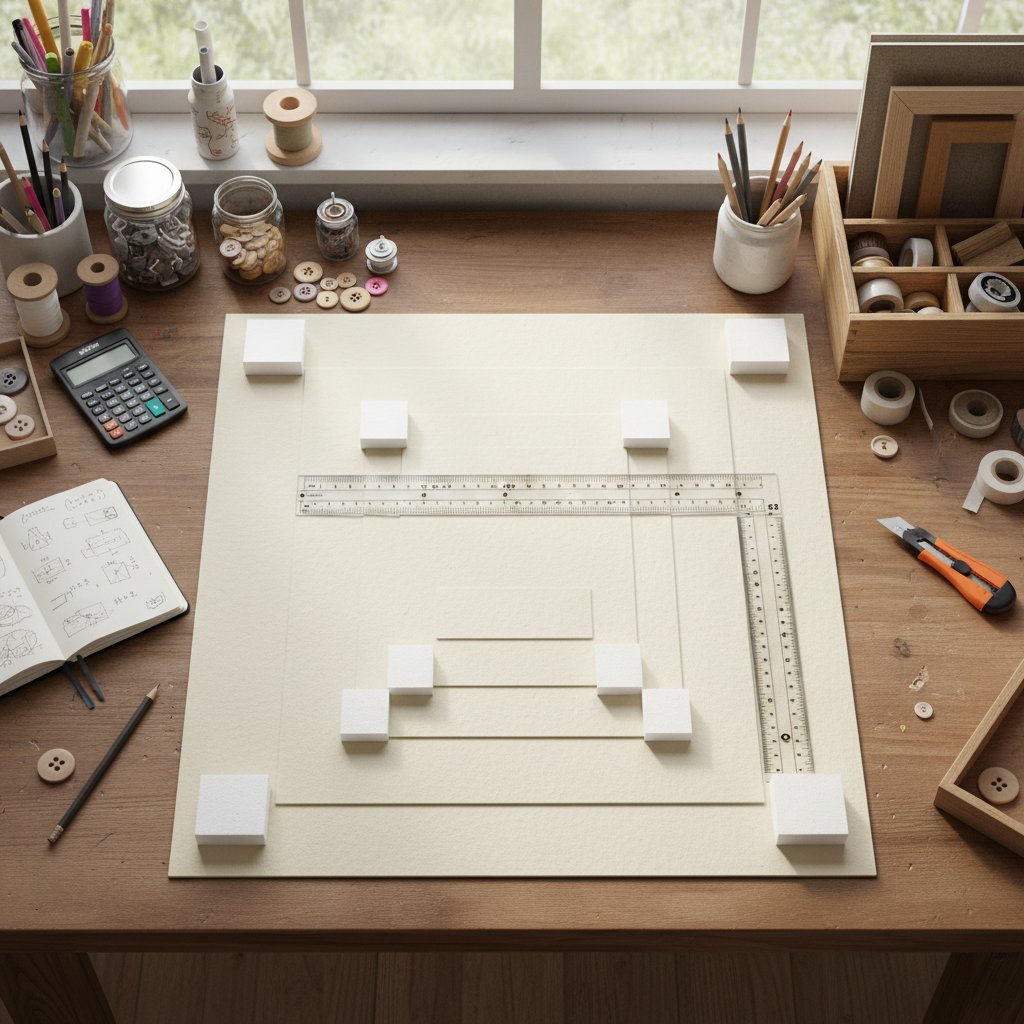
Paper layers, foam spacers, and measuring tools demonstrating shadow box depth calculation for layered paper cut projects

Accurate depth calculation prevents the frustration of discovering your assembled project doesn't fit your frame. Here's the step-by-step calculation method that ensures success every time.

Step 1: Determine Your Layer Count

Your shadow box SVG template specifies how many layers it includes. Count all layers from front to back. For example, a design might have 10 layers numbered Layer 1 through Layer 10.

Layer count = 10

Step 2: Calculate Spacer Depth

Spacers create the gaps between layers that produce dimensional depth. Standard foam spacer thickness for paper cut shadow boxes is 5mm (approximately 3/16 inch), though alternatives range from 1mm foam dots to 7mm foam board strips.

You need spacers between each pair of layers, which equals your layer count minus one.

Spacer count = Layer count - 1
For a 10-layer design: Spacer count = 9

Total spacer depth = Spacer count × Spacer thickness
Using 5mm spacers: Total spacer depth = 9 × 5mm = 45mm (approximately 1.75 inches)

Step 3: Account for Paper Thickness

Cardstock for shadow boxes typically ranges from 160-220 gram weight (65-80 lb cardstock), which measures approximately 0.2mm to 0.3mm thick per sheet.

Total paper thickness = Layer count × Paper thickness
For 10 layers of 0.25mm cardstock: Total paper thickness = 10 × 0.25mm = 2.5mm (approximately 0.1 inch)

While this seems minimal, it adds up in projects with many layers.

Step 4: Add LED Lighting Space

Battery-operated LED strips with adhesive backing need space behind your assembled paper stack. The LED strip itself plus battery pack requires approximately 10-15mm (0.4-0.6 inches) of depth.

Some installation methods place lights around the perimeter rather than flat against the back, which may require less depth but careful planning.

LED lighting space = 10-15mm (0.4-0.6 inches)

Step 5: Include Clearance Space

Your assembled layers shouldn't press against the glass front, which would flatten the dimensional effect and potentially damage paper edges. Allow 5-10mm (0.2-0.4 inches) of clearance between the front layer and the glass.

Front clearance = 5-10mm (0.2-0.4 inches)

Step 6: Calculate Total Required Depth

Total required depth = Total spacer depth + Total paper thickness + LED space + Front clearance

For our 10-layer example:

  • Total spacer depth: 45mm
  • Total paper thickness: 2.5mm
  • LED space: 12mm (average)
  • Front clearance: 7mm (average)

Total = 45 + 2.5 + 12 + 7 = 66.5mm (approximately 2.6 inches)

Therefore, you need a shadow box frame with at least 2.75 to 3 inches of depth to comfortably accommodate this 10-layer project.

Quick Calculation Formula

For fast estimates, use this simplified formula:

Required depth (inches) = (Layer count × 0.2) + 1

For 10 layers: (10 × 0.2) + 1 = 3 inches

This formula builds in standard spacer thickness, average paper thickness, lighting, and clearance. For more layers or thicker spacers, adjust proportionally.

Choosing Standard Frame Sizes for Paper Cut Projects

Shadow box frames come in standard sizes that align with common paper dimensions and home decor display preferences. Understanding these standards helps you choose templates designed for readily available frames.

8×8 Inch Frames

Perfect for: First projects, single-subject designs, smaller seasonal decor, desk or shelf displays

Layer capacity: Comfortably fits 6-10 layer designs when using a frame with 2-3 inch depth

Advantages: Widely available at craft stores, affordable (often $15-25), doesn't require large amounts of cardstock, quick to cut and assemble

Design types: Simple florals, single character designs, small seasonal pieces (ornaments, small animals, geometric patterns)

Shopping tip: Michael's, Hobby Lobby, and JOANN regularly stock black 8×8 shadow boxes in their frame sections. Check for 40-50% off coupon availability.

8×10 Inch Frames

Perfect for: Standard photo frame size conversions, portrait-oriented designs, wall gallery arrangements

Layer capacity: Accommodates 8-12 layer designs in frames with 2.5-3 inch depth

Advantages: Most common frame size means maximum selection variety, often cheaper than other sizes due to mass production, works well for vertical compositions like trees or standing figures

Design types: Portrait scenes, vertical nature compositions, character designs, architectural elements with height

Shopping tip: Amazon and Target offer excellent variety in this size, often with better prices than specialty craft stores.

11×14 Inch Frames

Perfect for: Detailed landscape scenes, multiple subjects, statement pieces, focal wall art

Layer capacity: Handles 10-15 layer complex designs when using 3+ inch depth frames

Advantages: Provides substantial canvas for intricate detail, creates impressive visual impact, works beautifully for complex cityscapes or nature scenes with multiple elements

Design types: Multi-building city scenes, elaborate floral arrangements, complex wildlife scenes, large seasonal displays

Shopping tip: This size enters "specialty frame" pricing territory ($30-60 typical). Online retailers often beat craft store prices significantly.

12×12 Inch Frames

Perfect for: Symmetrical designs, modern decor, square compositions, Instagram-friendly displays

Layer capacity: Similar to 11×14 inch frames, handles 10-15 layers with adequate depth

Advantages: Square format works beautifully for mandalas, centered subjects, and balanced compositions, trendy size for modern home decor, standard scrapbooking paper size (12×12) means efficient cardstock use

Design types: Circular designs, mandalas, centered single subjects, symmetrical patterns, wreaths

Shopping tip: IKEA's RIBBA frames (though not specifically shadow boxes) can work for shallower projects and offer sleek modern styling.

Custom Sizes and Non-Standard Frames

When standard sizes don't fit your vision, custom frame shops can build shadow boxes to exact specifications. This option suits:

  • Very large statement pieces (16×20 or larger)
  • Unusual aspect ratios (long horizontal panoramas, extra-tall vertical designs)
  • Extra-deep requirements for complex multi-layer projects
  • Specific decor matching needs

Custom frame considerations: Expect prices starting around $75-150+ depending on size and materials. Order frames before finalizing your design to ensure accurate sizing. Custom frames often take 2-4 weeks for fabrication.

Matching Your SVG Template to Frame Dimensions

Most shadow box SVG templates are designed with specific frame sizes in mind. Understanding how templates relate to frames prevents sizing frustrations.

Template Sizing Standards

Templates sized to exact frame dimensions (8×8 design for 8×8 frame): These require no resizing but may be tight fits depending on your frame's actual viewing area. Remember that the frame opening may be slightly smaller than the external frame measurement due to frame lip overlap.

Templates sized with margins (7.5×7.5 design for 8×8 frame): These include built-in clearance margins and typically fit more reliably across different frame manufacturers. The margin also provides error tolerance during assembly.

Multiple size options: Premium templates often include 2-3 size variations (8×8, 8×10, and 11×14 versions) in a single purchase, eliminating resizing work.

Resizing Templates Properly

When you need to resize a template for a different frame size, always resize all layers together proportionally. Select all layers simultaneously in Cricut Design Space or Silhouette Studio, ensure the lock icon (maintaining aspect ratio) is engaged, and resize to your target dimensions.

Sizing tip: Size your design 0.25 to 0.5 inches smaller than your frame opening to ensure comfortable margins. An 8×8 frame opening works best with a 7.5×7.5 to 7.75×7.75 design.

For detailed resizing instructions specific to your cutting machine, see our guide on resizing shadow box SVGs for any frame.

Testing Before Cutting

Print one layer on regular paper at your intended size before cutting expensive cardstock. Hold it against your frame opening to verify sizing. This simple test catches measurement errors before they waste materials.

Frame Material and Style Considerations

Beyond size and depth, frame material and style affect both the visual presentation and practical assembly of your shadow box.

Frame Materials

Wood frames: Classic appearance, sturdy construction, available in natural finishes or painted colors. Heavier weight may require stronger wall anchors but provides premium feel.

MDF or composite frames: Lightweight, affordable, smooth surfaces that paint well. Most mass-market craft store shadow boxes use this material. Adequate for most projects but less durable than solid wood.

Metal frames: Modern aesthetic, very slim profiles possible, extremely durable. Less common for shadow boxes but available in specialty frame shops. Often more expensive than wood or composite options.

Plastic frames: Budget-friendly, lightweight, available in basic colors. Suitable for practice projects or temporary displays but may appear less polished for gift-giving.

Color and Finish

Black frames: Most versatile choice, creates sophisticated gallery look, works with any color scheme, helps backlit designs pop by providing high contrast against bright paper.

White frames: Modern, clean aesthetic, works beautifully for nurseries and light-colored decor, shows dust more readily than black.

Natural wood: Warm, organic appearance, suits botanical and nature themes, complements farmhouse and rustic decor styles.

Colored frames: Match specific room colors or design themes, limit versatility if you want to move the piece, often cost more than standard black or white.

For your first projects, black shadow box frames offer maximum versatility and are the most widely available in the depths suitable for layered paper cut projects.

Common Frame Selection Mistakes to Avoid

Buying Frames Before Measuring Requirements

Mistake: Purchasing attractive frames on sale without calculating whether they'll accommodate your project.

Solution: Always calculate required depth before shopping. Bring measurements when browsing stores, or keep them in your phone notes for reference.

Confusing External Size with Viewing Area

Mistake: Assuming an "8×8 frame" has an 8×8 inch viewing area, when the frame lip actually reduces the visible opening to 7.5×7.5 or smaller.

Solution: Measure the actual frame opening (the glass area) rather than relying on the external frame size label.

Using Regular Picture Frames for Shadow Box Projects

Mistake: Attempting to use standard picture frames (0.5 inch depth or less) for layered paper cut projects.

Solution: Only purchase frames specifically labeled as "shadow box," "deep frame," or "box frame" with depth specifications of at least 1.5 inches, preferably 2-3 inches.

Ignoring LED Light Space Requirements

Mistake: Calculating depth based only on paper layers and spacers, forgetting to account for LED installation space.

Solution: Always add 0.5-0.75 inches to your calculation for LED strips and battery pack clearance.

Choosing Oversized Frames for Beginner Projects

Mistake: Starting with large 16×20 or bigger frames that require cutting many large layers, consuming time and expensive cardstock.

Solution: Begin with 8×8 or 8×10 frames for your first 2-3 projects. These sizes cut quickly, use less material, and still create impressive results.

Tips for Budget-Friendly Frame Shopping

Shadow box frames cost more than standard picture frames due to their specialized construction. These strategies help you find quality frames without overspending.

Shop with coupons: Michael's, Hobby Lobby, and JOANN offer frequent 40-50% off coupons for regular-price items. Wait for coupon availability before purchasing frames at these stores.

Buy in bulk online: Amazon and wholesale craft suppliers often discount shadow box frames when purchased in sets of 2-4. If you plan multiple projects, bulk buying provides significant savings.

Post-holiday clearance: January (after Christmas), late February (after Valentine's), and November (after Halloween) bring deep clearance pricing on seasonal frames that work perfectly for paper cut projects.

Dollar store finds: Some dollar stores carry small shadow boxes (5×7 or smaller) for $3-5. While depth may be limited, these work for simple 4-6 layer practice projects.

DIY frame modification: Experienced crafters can add depth to standard frames by building frame extensions, though this requires woodworking tools and skills beyond beginner level.

Thrift and secondhand: Thrift stores, estate sales, and Facebook Marketplace sometimes offer shadow boxes at fraction of retail prices. Inspect carefully for damage and accurate depth measurement.

Preparing for Your Frame Purchase

Before shopping for shadow box frames, complete this preparation checklist:

Determine your project specifications:

  • Layer count from your chosen template
  • Calculated required depth
  • Design dimensions (width and height)
  • Desired final display size

Measure display location:

  • Wall space available
  • Shelf dimensions if displaying on furniture
  • Viewing distance (larger frames for farther viewing distances)

Set your budget:

  • Single frame purchase: $15-60 typical range
  • Multiple frames for project series: Budget accordingly
  • Custom frame if standard sizes won't work: $75-150+

Research frame availability:

  • Check local craft store inventory online
  • Compare prices across retailers
  • Read reviews for quality assessment
  • Verify return policies in case depth doesn't match specifications

Conclusion

Choosing the right shadow box frame for your paper cut project sets the foundation for stunning results. By calculating required depth based on your layer count, understanding standard frame sizes and their applications, and avoiding common sizing mistakes, you ensure your carefully crafted layers have the space they need to create impressive dimensional depth.

Start by determining your project's layer count, calculate total depth requirements using the formula provided, and shop for frames with adequate depth capacity (typically 2-3 inches for most designs). Choose standard frame sizes (8×8, 8×10, 11×14, or 12×12) for the best availability and pricing, and always measure the actual frame opening rather than relying on external size labels.

With proper frame selection, your layered paper cut shadow boxes will display beautifully, with each layer properly spaced to create the magical backlit depth effect that makes these projects so captivating.

Research Sources: