
Articles11 min read

Pricing Paper Crafts to Sell on Etsy: The Complete Guide (2026)

Your step-by-step formula for pricing paper crafts to sell profitably on Etsy. Craft business workspace with completed shadow box products

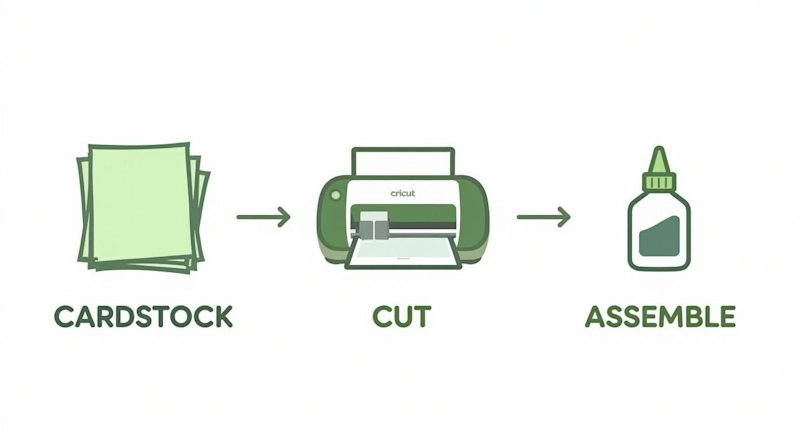
Three-step Cricut crafting process showing cardstock being cut with Cricut machine then assembled with glue

Pricing Paper Crafts to Sell on Etsy: The Complete Guide (2026)

You spent six hours cutting, layering, and assembling a gorgeous papercut shadow box. A friend said, "You should sell those on Etsy!" So you listed it for $25—because that felt like a fair price. After cardstock, the frame, adhesive, foam spacers, LED lights, Etsy fees, shipping, and taxes, you made about $3 an hour. That stings.

Most paper crafters dramatically underprice their work because they don't account for every cost layer or they feel awkward asking for what their time is worth. This guide fixes that. You'll learn the exact pricing formula I use—materials + labor + overhead + profit—adapted specifically for paper art like shadow boxes, paper flowers, layered cards, and book-folded pieces. I'll walk through real numbers from my own projects, break down every Etsy fee, and give you a free pricing worksheet you can start using today.

By the end, you'll know exactly how to price paper crafts to sell without guessing—and without leaving money on the table.

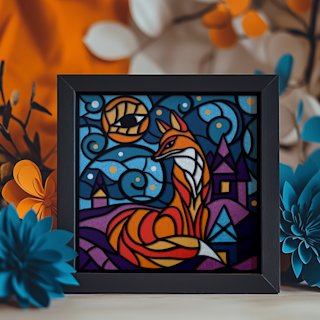
Why Most Paper Crafters Underprice Their Work

Underpricing isn't a character flaw—it's a math problem. Here are the three traps I see paper artists fall into most often:

1. Ignoring overhead and hidden costs. You price for cardstock and adhesive, but forget the Cricut blade you replaced last week, the Design Space subscription, the electricity running your machine, and the packaging tape you burned through. When I ran a full cost audit on my shadow box projects (documented in my cardstock shadow box cost breakdown), the hidden costs added 18–22% on top of obvious material expenses.

2. Pricing based on what "feels right" instead of a formula. Most new sellers look at competitor prices, find the lowest one, and undercut it. That's a race to the bottom. Your work isn't a commodity—especially intricate layered pieces that take real skill to produce.

3. Undervaluing skilled labor. Paper cutting is meticulous, skilled work. If your design involves 8 layered pages of intricate cuts (like the papercut shadow box projects I build regularly), you're not punching a clock—you're performing craft that took months or years to master. Price accordingly.

The fix is simple: use a structured formula instead of vibes. That's what the rest of this guide covers.

The 4-Layer Pricing Formula (Materials + Labor + Overhead + Profit)

Every handmade product should be priced using four layers:

Base Price=Materials + Labor + Overhead + Profit

Here's what each layer means for paper crafters:

LayerWhat It CoversPaper Craft Example
MaterialsDirect physical inputsCardstock, adhesive, foam spacers, frame, LED lights, packaging
LaborYour time at an hourly rateDesign time, cutting, weeding, assembling, photographing, listing
OverheadIndirect business costsCricut subscription, blade replacements, mat replacements, tools, workspace, electricity
ProfitThe margin that grows your businessReinvestment, savings, paying yourself beyond labor

The wholesale rule: Your base price (Materials + Labor + Overhead + Profit) should be your wholesale price. Retail price=Wholesale × 2. This keeps you profitable if shops want to carry your work at a 50% margin.

Let's break down each layer with real paper-craft numbers.

Calculating Material Costs for Paper Art

Material costs are everything physically consumed to make and ship one piece. For a typical 8×8 inch papercut shadow box, here's a real breakdown I tracked over 10 units:

MaterialPer-Unit Cost
Cardstock (8 sheets × $0.40/sheet)$3.20
Foam spacers (8 layers × $0.08)$0.64
Adhesive (tape runner + glue)$0.50
Shadow box frame (IKEA Ribba-style)$4.50
LED fairy lights (USB strip)$2.00
Backing board$0.30
Total materials$11.14

That's for a straightforward layered shadow box. Costs climb quickly for specialty papers—metallic cardstock runs $1.50–$2.50 per sheet, and glitter cardstock (see my cutting guide for specialty cardstock) can push material costs above $20 per piece.

Track everything. I keep a per-project material log. Even the small stuff matters: washi tape for a decorative detail, a spray of adhesive, the cello bag you slide the finished piece into. Those $0.10 items compound across hundreds of sales.

For detailed guidance on choosing the right cardstock weight and brand for your specific project, see my best cardstock for paper cut shadow boxes guide.

How to Track Your Time on Intricate Paper Projects

Labor is where most paper crafters lose the most money. The problem: intricate paper cutting takes way longer than you think.

Here's a realistic time breakdown for one 8-layer papercut shadow box from my own production log:

TaskTime
Design / select template30 min
Cut 8 layers on Cricut50 min (including test cuts)
Weed all layers35 min
Assemble with spacers40 min
Install LED lights15 min
Frame and finish10 min
Photograph for listing20 min
Write listing + upload15 min
Total~3.5 hours

At $15/hour (a reasonable starting rate for skilled craft labor), that's $52.50 in labor alone.

How to set your hourly rate:

  • Beginner: $12–$15/hr (you're building skill and speed)
  • Intermediate: $18–$25/hr (consistent quality, some custom work)
  • Expert: $25–$40+/hr (complex custom commissions, high-end detail work)

I use a simple phone timer. Start it when you sit down to work on a specific piece, stop when you step away. After a few projects, you'll have reliable averages you can plug into your pricing formula.

Etsy Fees Explained (Listing, Transaction, Payment Processing)

Etsy takes a meaningful bite. Here's the full fee stack as of 2026:

Fee TypeRateExample (on a $65 sale)
Listing fee$0.20 per listing$0.20
Transaction fee6.5% of sale price$4.23
Payment processing3% + $0.25$2.20
Offsite Ads fee (if applicable)12–15%$7.80–$9.75
Regulatory operating fee0.30%$0.20
Total Etsy cut (no offsite ad)~10%$6.83
Total Etsy cut (with offsite ad)~22–25%$14.63–$16.58

The offsite ads fee is the wild card. If your listing sells through an Etsy-run ad, you pay an additional 12% (under $10,000/year in sales) or 15% ($10,000+/year). This can turn a profitable listing into a break-even one.

Pricing for fees: Build Etsy's cut into your retail price. If your target profit per piece is $15 and Etsy takes roughly 10–25%, your listed price needs to be high enough that you still hit that $15 after fees. I always calculate my break-even price (Materials + Labor + Overhead) and then add Etsy fees + desired profit on top.

Products That Sell — Proven Shadow Box Designs for Your Etsy Shop
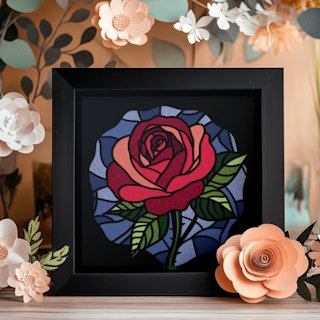
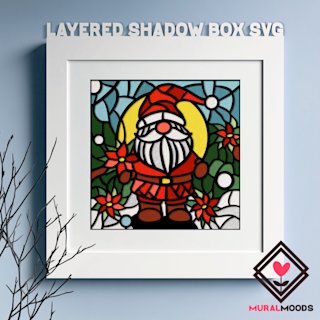
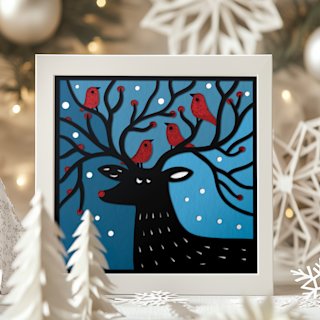
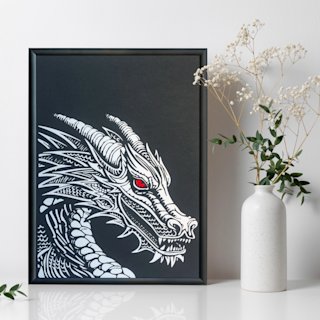
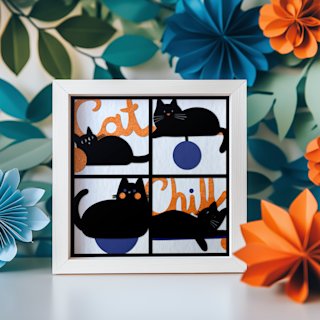
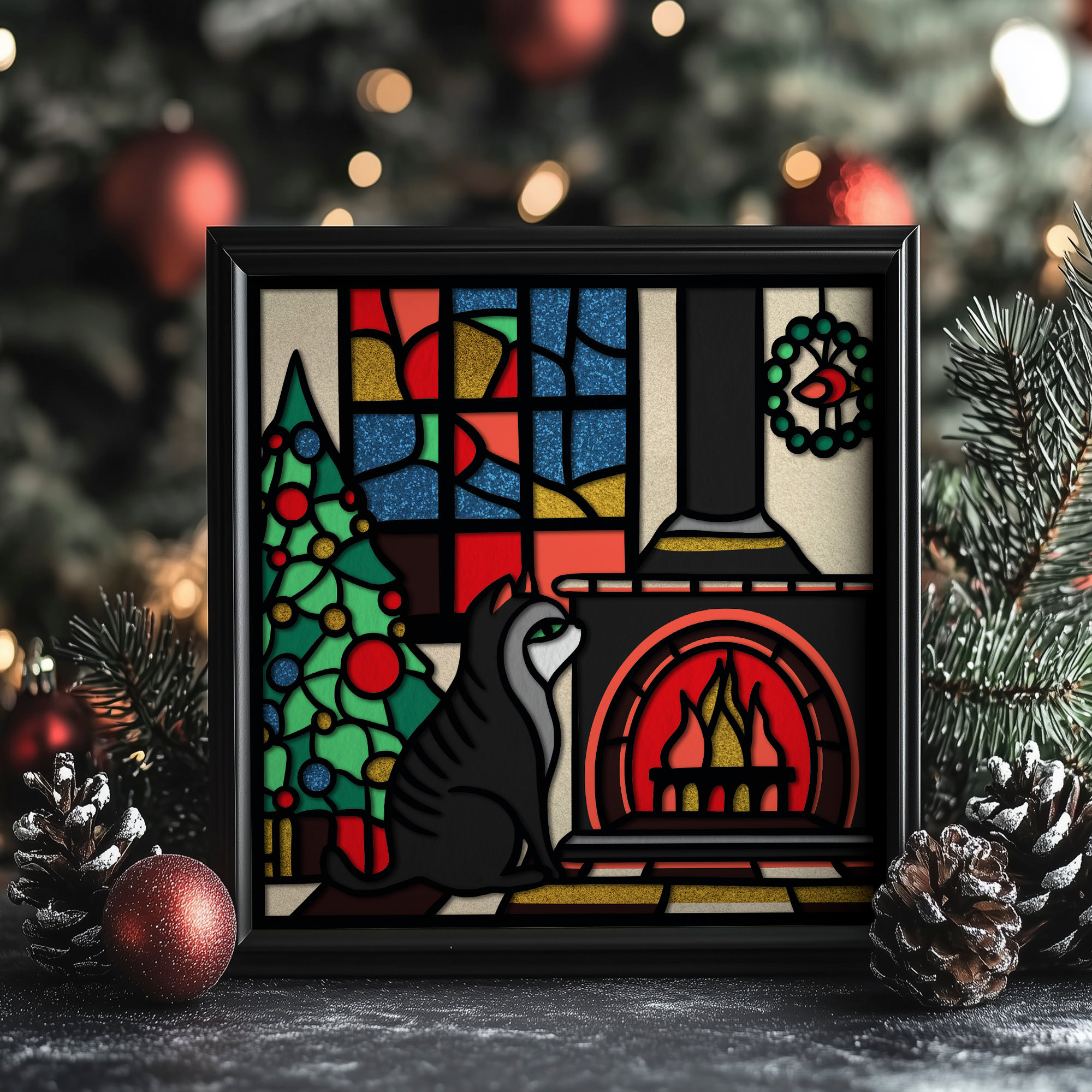
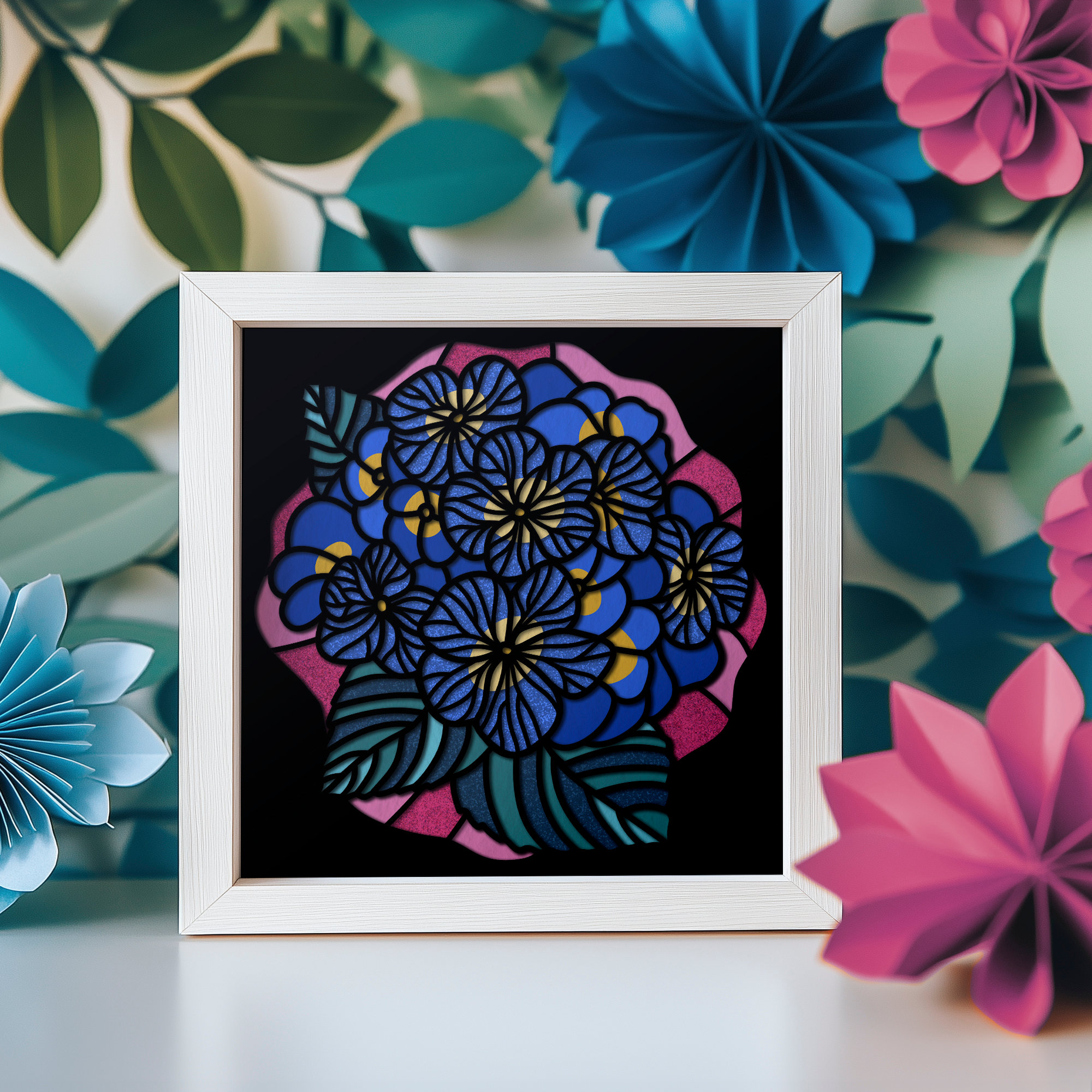
These templates have strong buyer appeal across seasonal markets. Price assembled shadow boxes at a premium — the layered depth and LED-ready design command higher price points.

Shipping Paper Art: Packaging Costs and Best Practices

Paper art is fragile. Shipping a shadow box that arrives crushed is a refund, a bad review, and a lost customer. Budget for proper packaging.

My packaging stack for an 8×8 shadow box:

ItemCost
Corrugated box (10×10×4)$1.50
Bubble wrap (2 layers)$0.60
Foam corner protectors$0.40
"FRAGILE" sticker$0.05
Tissue paper wrap$0.15
Thank-you card + sticker$0.10
Total packaging$2.80

Shipping carrier tips:

  • USPS Priority Mail is usually best for shadow boxes under 2 lbs. Flat-rate medium boxes work well for pieces up to 10×10 inches.
  • For flat paper art (cards, prints, unframed layered pieces), rigid mailers with cardboard backers prevent bending.
  • Always insure shipments over $50. Paper art can't be "replaced" like a factory item—each piece is one of a kind.
  • Free shipping is expected on Etsy now. Bake the shipping cost into your product price rather than listing it separately—listings with free shipping get a boost in Etsy search.

Pricing for Wholesale vs Retail

If you want shops, boutiques, or galleries to carry your work, you need a wholesale price that works:

Retail Price=Wholesale Price × 2

Shops typically expect a 50% margin (they buy at half retail). If your production cost is $40 and you sell retail at $80, your wholesale price would be $40—leaving zero profit. That's why you need the profit layer built in.

Realistic example:

LayerAmount
Materials$11.14
Labor (3.5 hrs × $15/hr)$52.50
Overhead allocation$5.00
Cost$68.64
Profit margin (30%)$20.59
Wholesale price$89.23
Retail price (×2)$178.46

Round to clean numbers: $90 wholesale, $180 retail.

Yes, $180 for a shadow box sounds steep if you're used to underpricing. But consider: that's what it costs to pay yourself fairly, cover all expenses, and run a sustainable business. Many successful Etsy paper artists sell shadow boxes in the $100–$250 range.

Digital Templates with the Best Profit Margins
SVG templates have near-100% margin after the first sale. These designs are proven performers — buy once, sell unlimited assembled pieces or offer the template as a digital download.

What to Charge for Custom Paper Art Commissions

Custom work deserves a premium because you lose creative control, deal with revisions, and can't resell the design.

My commission pricing structure:

TierWhat You GetPrice Range
Standard customChoose colors/theme from existing template libraryRetail price × 1.5
Full customOriginal design based on client brief, 2 revision roundsRetail price × 2–2.5
Rush orderUnder 7 days turnaround+25% surcharge
Commercial licenseClient resells or displays commerciallyRetail price × 3–5

Always take a 50% non-refundable deposit before starting custom work. Paper art uses consumable materials, and your time can't be recovered if the client ghosts.

Track revision time. Every "can you tweak the colors" or "make the bird face left instead" is labor. Include 1–2 revision rounds in your base price, then charge hourly for additional changes.

Competitor Pricing Research on Etsy

Knowing what others charge helps you position—but don't anchor to the lowest price.

How to research effectively:

  1. Search your target keyword (e.g., "layered paper shadow box") on Etsy
  2. Filter by "Best Selling" to see what actually moves—not just what's listed
  3. Record the top 10 prices, shipping costs, and review counts
  4. Note the quality: photo count, description detail, number of sales

What I found researching papercut shadow boxes in 2026:

Price RangeWhat's Typical
$15–$30Flat paper art, simple layered cards, small unframed pieces
$35–$65Framed shadow boxes, 4–6 layers, standard designs
$70–$120Complex multi-layer shadow boxes with LEDs, custom options
$120–$250+Large statement pieces, premium frames, full custom work

The sellers crushing it aren't the cheapest—they're the ones with great photography, detailed descriptions, and consistent branding. Price confidently in the mid-to-upper range and invest in making your listing look professional.

Free Pricing Worksheet and Calculator

Use this formula every time you list a new piece:

Step 1: Materials=Sum all physical inputs per piece
Step 2: Labor=Hours worked × your hourly rate
Step 3: Overhead=Monthly overhead ÷ monthly pieces produced
Step 4: Cost=Materials + Labor + Overhead
Step 5: Wholesale=Cost ÷ (1 − Profit margin %)
Step 6: Retail=Wholesale × 2

Quick example with 30% profit margin:

  • Materials: $11.14
  • Labor: $52.50
  • Overhead: $5.00
  • Cost: $68.64
  • Wholesale: $68.64 ÷ 0.70=$98.06
  • Retail: $98.06 × 2=$196.11 → round to $195

Mental shortcut: If you just want a ballpark, take your cost and multiply by 3. That gives you a retail price that covers materials, labor, overhead, Etsy fees, and a healthy profit margin. Fine-tune from there with the full formula.

Bookmark this page and come back to it whenever you price a new product.

Tax Deductions Paper Crafters Should Know About

Pricing correctly means knowing what you can deduct. Common deductions for paper craft businesses:

Materials and supplies: Cardstock, adhesive, blades, mats, frames, LED lights, packaging materials—all deductible.

Tools and equipment: Cricut machine, Silhouette Cameo, replacement blades, cutting mats, tweezers, light pads. Large purchases may need to be depreciated over time.

Software and subscriptions: Design Space, Silhouette Studio (designer edition), Adobe Illustrator, Canva Pro—deduct what you use for your business.

Home office / workspace: If you have a dedicated craft area, you may deduct a percentage of rent/mortgage, utilities, and internet proportional to the space used.

Shipping and mileage: Postage, packaging supplies, and mileage to craft fairs or supply stores.

Education and training: Online courses, craft books, tutorials that improve your business skills.

Disclaimer: I'm a paper crafter, not a CPA. Consult a tax professional for advice specific to your situation. Track every expense in a spreadsheet from day one—it makes tax time painless.

Pro tip: Keep your crafting finances separate from personal finances. Open a dedicated bank account and use it for all business income and expenses. This single step makes pricing, tax filing, and profit tracking dramatically easier.

Start Pricing with Confidence

You now have the same framework professional paper artists use to set prices that sustain a real business. Here's the quick checklist:

  • Calculate exact material costs per piece (down to the adhesive dot)
  • Track your time honestly for at least 3 projects
  • Allocate monthly overhead across your production volume
  • Add a profit margin (start at 25–30%)
  • Double your wholesale price for retail
  • Build Etsy fees and shipping into the listed price
  • Add a premium for custom work

Stop guessing. Start calculating. Your craft is worth it.

For more on what goes into producing paper art at scale—including the full cost breakdown of cardstock, tools, and machine wear—check out my true cost of cardstock shadow box projects analysis.