Articles14 min read

Best Cardstock for Paper Cut Shadow Boxes (Complete Guide)

Your comprehensive guide to choosing the best cardstock for paper cut shadow box projects.

Shadowbox - Image 01

Best Cardstock for Paper Cut Shadow Boxes: The Complete Guide

The secret to a breathtaking paper cut shadow box isn't just the design or the LED lighting—it's the cardstock you choose. The best cardstock for paper cut shadow box projects delivers clean cuts, holds intricate details without tearing, and creates beautiful depth when layered together. Pick the wrong paper and you'll deal with fuzzy edges, warped layers, and a finished piece that falls flat.

Whether you're creating your first beginner shadow box or you've assembled dozens of illuminated layered scenes, understanding which cardstock works best—and why—transforms your results from "looks okay" to "absolutely stunning." The right paper holds crisp detail on delicate branches and flowing hair, blocks light exactly where it should, and stays flat inside the frame for years.

This guide covers everything you need to know about selecting cardstock for paper cut shadow boxes. You'll discover the ideal weights, which textures work best for different effects, how colour choices affect LED glow, and which brands consistently deliver professional results. By the end, you'll know exactly what to buy for your next project.
Why Cardstock Choice Matters for Shadow Boxes

Not all cardstock is created equal—especially when it comes to paper cut shadow boxes. The paper you select affects three critical aspects of your finished piece: cut quality, structural integrity, and visual impact.

Cut Quality and Detail

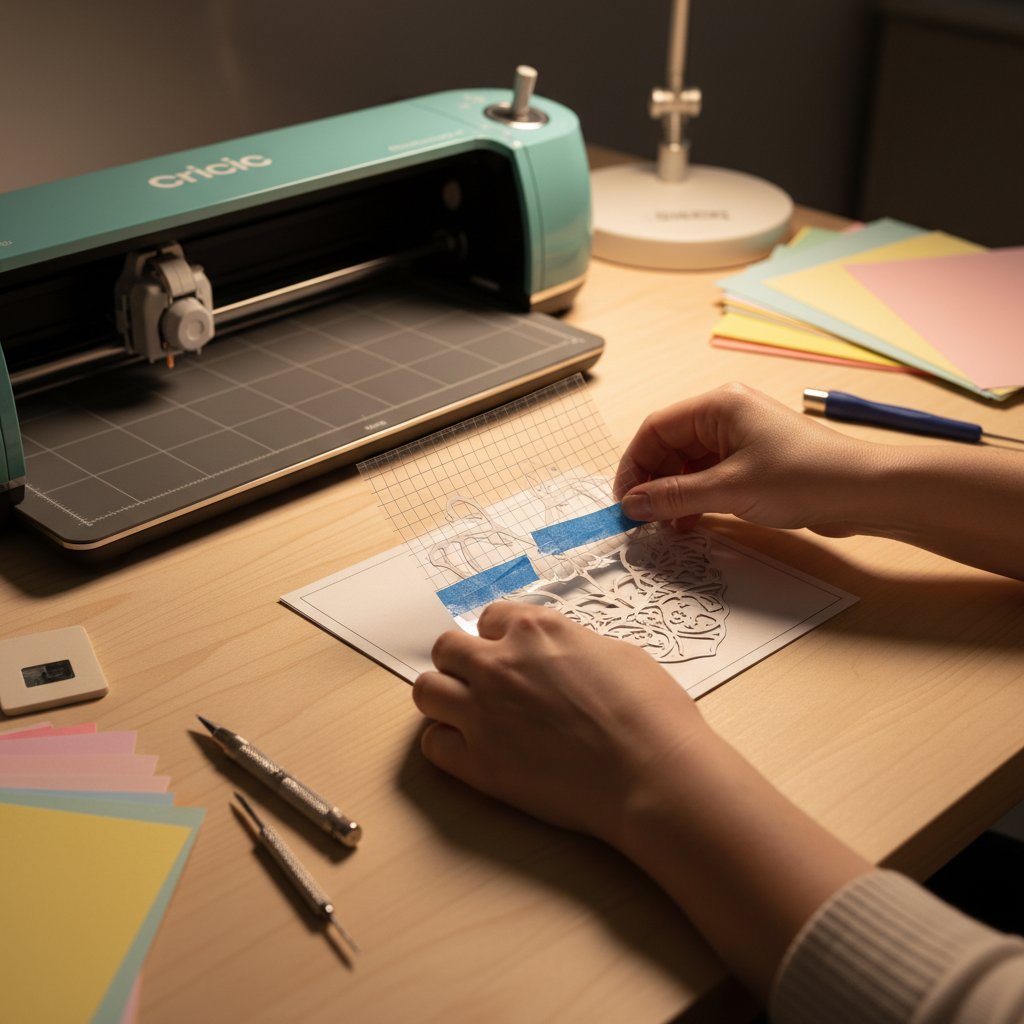
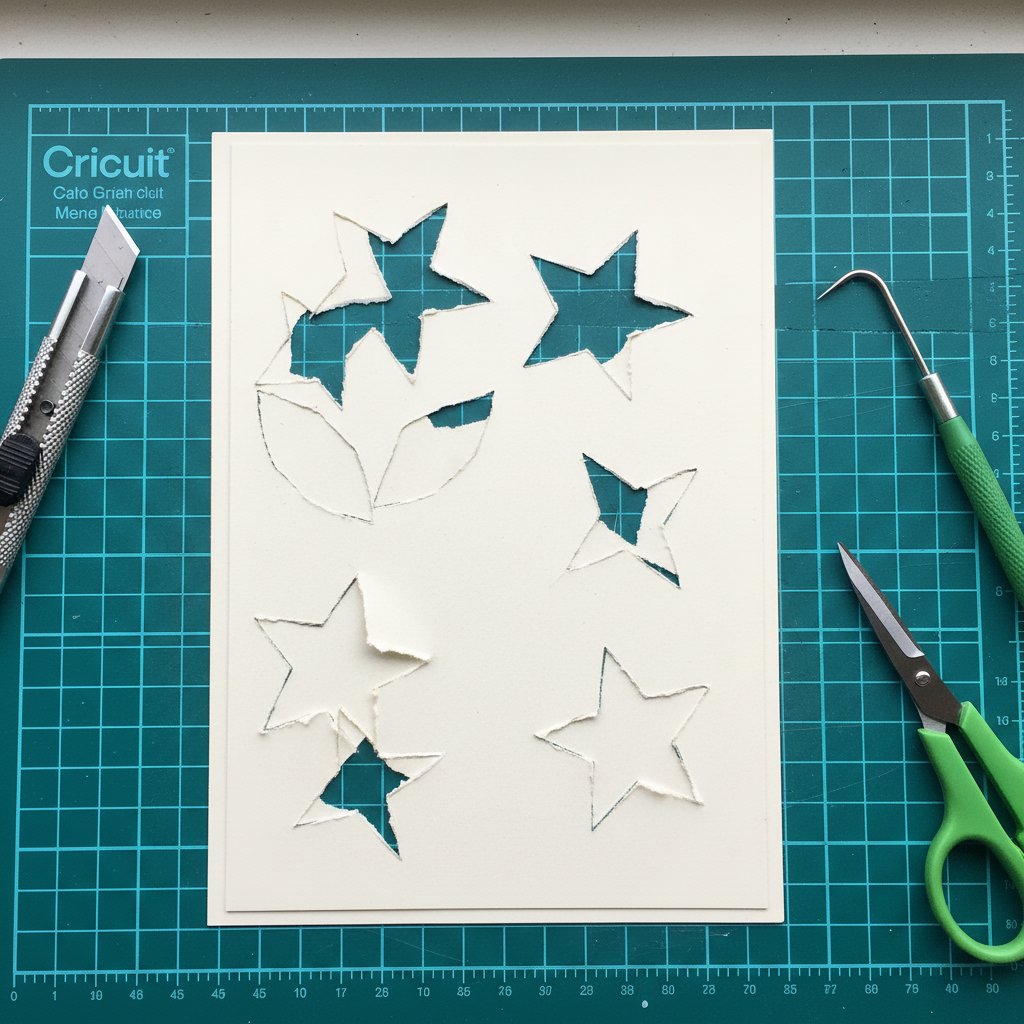
Cardstock that's too thin tears on intricate cuts. Paper that's too thick jams your blade or leaves rough edges. The sweet spot for shadow box layers sits between 65 lb (176 gsm) and 80 lb (216 gsm) cover weight. This range gives your Cricut or Silhouette enough structure to cut clean shapes while keeping the fine details intact—think delicate tree branches, flowing floral petals, and tiny architectural elements.
Advanced cutting techniques for difficult cardstock materials
Close-up of precise cardstock cuts for layered shadow box

For more on getting perfect cuts every time, see our Cricut cardstock settings mastery guide.

Structural Integrity and Layer Support

Each layer in a shadow box must support its own weight without sagging over time. Lightweight papers droop inside the frame, especially in humid environments. Quality cardstock stays rigid, maintaining the precise spacing that creates the three-dimensional illusion your piece depends on.

If your layers warp or curl, check our paper storage solutions to prevent warping and damage for prevention strategies.

Light Interaction and Opacity

Here's something most guides overlook: cardstock opacity directly affects how your shadow box looks when lit. Paper that's too translucent lets light bleed through where it shouldn't, washing out the depth effect. High-opacity cardstock creates crisp light-and-shadow contrasts—the hallmark of professional shadow box art.

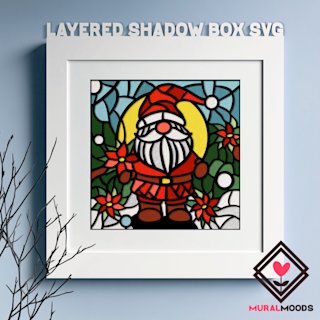
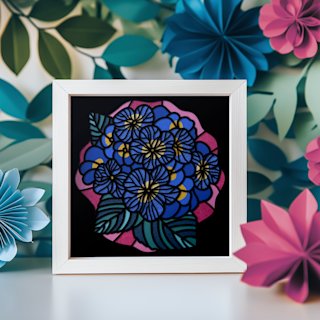
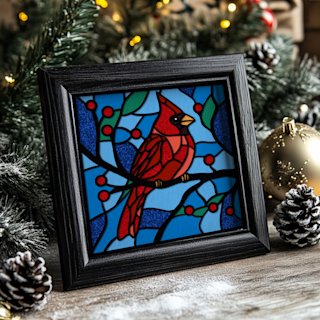
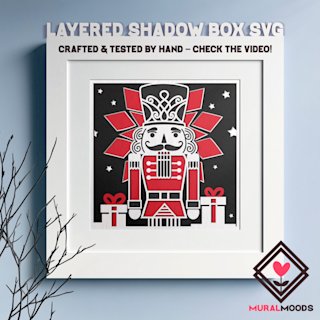
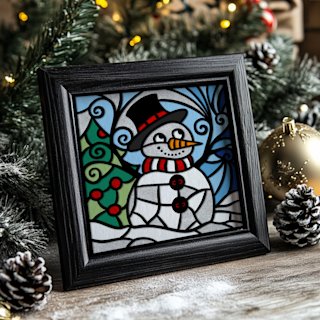
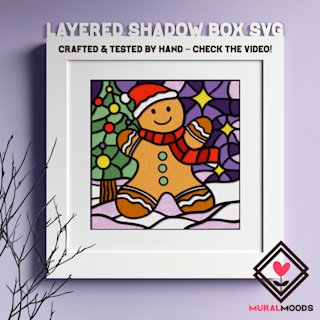
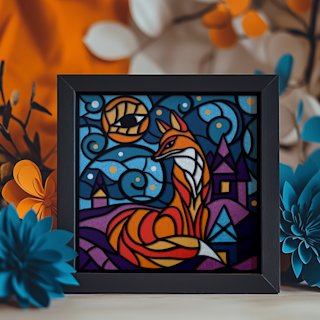
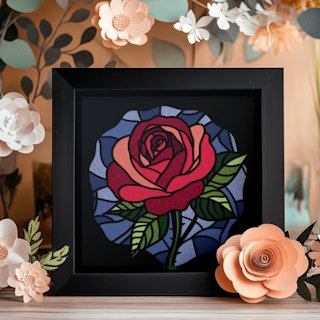
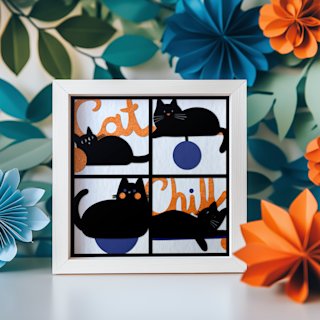
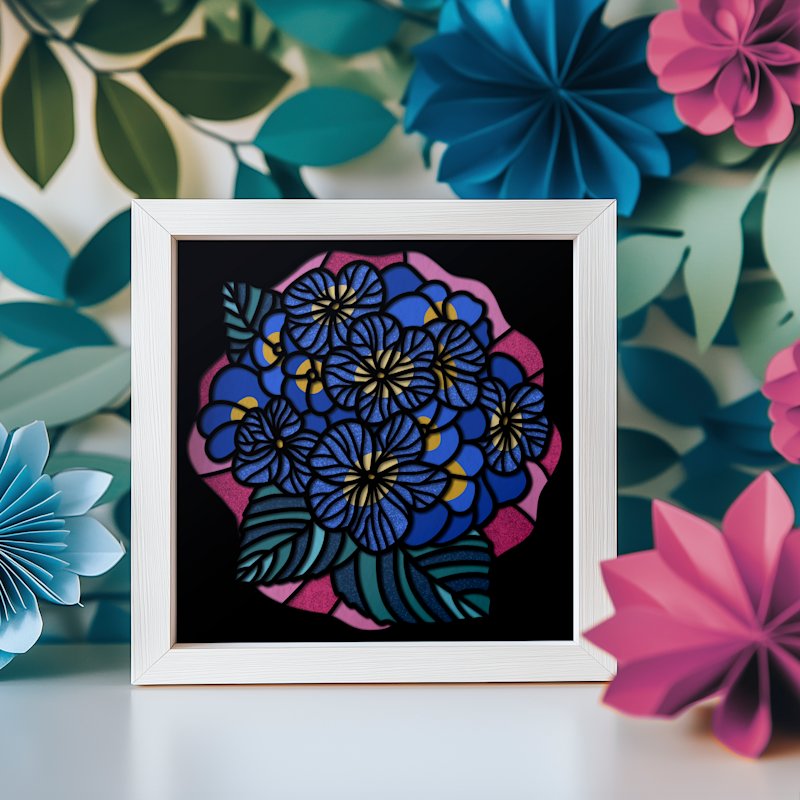
Practice Your Cardstock Skills on These Tested Designs
Each of these templates uses multiple cardstock weights in a single project — smooth 65 lb detail layers paired with sturdy 80 lb backers. Perfect for testing the techniques from this guide.

The Ideal Cardstock Weight for Shadow Boxes

Weight is the single most important factor when choosing cardstock for layered paper projects. Too light and your layers collapse; too heavy and your cutting machine struggles.
Cricut machine cutting cardstock for shadow box project

Weight (lb)Weight (gsm)Best Use in Shadow Boxes
65 lb176 gsmDetailed front layers with fine cutouts
70 lb190 gsmAll-purpose shadow box layers
80 lb216 gsmBack layers and structural frames
110 lb298 gsmBacking board only (not for cutting layers)

The gold standard: 65–80 lb cover weight cardstock handles 95% of shadow box projects beautifully. Most experienced paper crafters reach for 70 lb as their go-to.

What Happens When You Use the Wrong Weight

Too light (under 60 lb / 160 gsm):

  • Intricate designs tear during cutting
  • Layers sag between spacers over time
  • Light bleeds through, reducing contrast
  • Paper curls in humid conditions

Too heavy (over 90 lb / 243 gsm):

  • Cricut blade struggles, leading to incomplete cuts
  • Edges look rough and fibrous
  • Too many thick layers won't fit in standard frames
  • Mats degrade faster from increased pressure

For help troubleshooting cutting issues related to paper weight, see our comprehensive cardstock troubleshooting bible.

Cardstock Texture and Finish: Which Works Best

The texture of your cardstock affects both the cutting process and the visual quality of your finished shadow box. Each finish has distinct advantages.

Smooth Cardstock (Best Overall)

Smooth cardstock is the top choice for most shadow box projects. The even surface feeds cleanly through your cutting machine, produces crisp edges, and creates a polished look when layered. Smooth finishes also photograph beautifully—important if you share your work online or sell finished pieces.

Best for: Detailed designs, beginner-friendly cutting, clean modern aesthetics

Textured Cardstock

Linen, canvas, and felt-textured cardstocks add visual richness to shadow box layers. The texture catches and diffuses light in interesting ways. However, textured paper can be harder to cut cleanly—blades may catch on raised fibres, leading to tears on intricate designs.

Best for: Background layers, nature-themed designs, adding visual depth to simple projects

Metallic and Pearl Finish

Metallic cardstock creates stunning effects when light hits it through cutouts. Use it sparingly—a single metallic accent layer can elevate an entire piece. The reflective surface bounces LED light beautifully, adding drama to stars, water features, or architectural highlights.

Best for: Accent layers, celestial themes, holiday designs

For detailed guidance on metallic papers, see our metallic and pearl cardstock cutting guide.

Glitter Cardstock

Glitter cardstock is eye-catching but demands special handling. The glitter coating dulls blades quickly and requires specific cut settings. When used well—typically as a single accent layer—it adds sparkle to holiday and celebration-themed shadow boxes.

Best for: Holiday projects, celebration themes, single accent layers only

Learn the right techniques in our glitter cardstock cutting secrets guide.

Colour Choices for LED-Lit Shadow Boxes

Colour selection isn't just about aesthetics—different colours interact with LED light in distinct ways that affect the mood and impact of your finished piece.

Dark Colours for Maximum Contrast

Black, navy, and deep charcoal cardstock create the most dramatic shadow boxes. These colours block light completely, producing sharp silhouettes and maximum contrast. Dark layers are ideal for the front of your shadow box, where they frame the illuminated interior with crisp definition.

Best uses: Front layers, silhouette designs, dramatic night scenes

White and Cream for Ethereal Glow

White cardstock softens and diffuses LED light, creating a gentle, ethereal glow. Use white layers in the middle and back of your shadow box to add luminous depth without harsh shadows. Cream and ivory tones add warmth to the glow, mimicking candlelight.

Best uses: Back layers, cloud effects, soft ambient lighting

Coloured Cardstock for Themed Effects

Coloured cardstock filters LED light, tinting the glow to match your theme. Blue layers create underwater effects. Warm amber layers suggest sunset. Green layers evoke forest canopies. When layering multiple colours, place darker colours in front and lighter colours behind for natural-looking depth.

Pro tip: Always test coloured cardstock with your LED lights before assembling. Some colours look dramatically different when backlit compared to how they appear in daylight.

For safe LED installation techniques, see our guide on how to add LED lights to paper cut shadow boxes.

Top Cardstock Brands for Shadow Boxes: Compared

Not all cardstock brands perform equally in a cutting machine. After extensive testing, these brands consistently deliver the best results for paper cut shadow box projects.

BrandWeight OptionsTextureCut QualityOpacityValue
Cricut Smart Cardstock65-80 lbSmoothExcellentHigh★★★★
Recollections (Michaels)65 lbSmooth & texturedVery goodHigh★★★★★
Bazzill Basics65-80 lbSmooth & texturedVery goodVery high★★★★
Neenah Creative Collection65 lbSmoothExcellentHigh★★★★★
American Crafts60-80 lbSmooth & glitterGoodMedium-high★★★

Brand Highlights

Cricut Smart Cardstock — Designed specifically for Cricut machines, this cardstock cuts cleanly without machine adjustments. It's slightly more expensive but eliminates guesswork, making it ideal for beginners. Available in a wide colour range.

Recollections — Available at Michaels, this brand offers excellent quality at a reasonable price, especially during frequent sales. The 65 lb smooth cardstock handles intricate shadow box designs reliably.

Bazzill Basics — A favourite among experienced paper crafters, Bazzill offers exceptional opacity and a range of textures. Slightly harder to find in stores but worth ordering online for special projects.

Neenah Creative Collection — Consistent quality at a competitive price point. The smooth finish feeds through cutting machines without issues, and the opacity is reliable for shadow box use.

For a complete breakdown of cricut-compatible cardstock types, see our Cricut cardstock types guide.

Budget-Friendly Options

If you're building multiple shadow boxes or practicing techniques, these options keep costs manageable:

  • Cardstock packs (50+ sheets) from Recollections or Neenah offer the best per-sheet price
  • Cricut Value Cardstock provides decent quality at a lower price point for practice pieces
  • Avoid dollar-store cardstock — inconsistent thickness leads to poor cuts and wasted material

Track your material spending with our cardstock shadow box cost analysis guide.

Matching Cardstock to Your Project Type

Different shadow box themes benefit from different cardstock strategies. Here's a quick reference for common project types.

Nature and Landscape Scenes

Best cardstock: 65-70 lb smooth cardstock in natural tones (forest green, sky blue, earth brown)
Strategy: Use progressively lighter shades from front to back to create natural atmospheric depth. Dark green front layers transition to lighter greens and blues toward the back.

Silhouette and Portrait Designs

Best cardstock: 80 lb black smooth cardstock for the front layer, 65 lb white or cream for back layers
Strategy: The front silhouette layer needs heavier cardstock for crisp, clean edges. Back layers should be lighter to create a luminous background.

Holiday and Seasonal Designs

Best cardstock: 65-70 lb smooth cardstock with one glitter or metallic accent layer
Strategy: Keep most layers in standard smooth cardstock for reliable cutting. Add a single glitter layer for snowflakes, stars, or decorative elements that benefit from sparkle.

Architectural and Geometric Designs

Best cardstock: 70 lb smooth cardstock in neutral tones
Strategy: Architectural designs demand the cleanest cuts possible. Smooth cardstock at 70 lb provides the best balance of detail retention and structural support for geometric patterns.

Quick-Reference Cheat Sheet

Project TypeFront LayerMiddle LayersBack Layer
Nature scene65 lb dark green smooth65 lb medium green/blue smooth65 lb light blue smooth
Silhouette portrait80 lb black smooth65 lb medium grey smooth65 lb white smooth
Holiday design65 lb coloured smooth + 1 glitter accent65 lb coordinating colours65 lb white or warm tone
Geometric pattern70 lb black or navy smooth70 lb white smooth70 lb white smooth

For complete project walkthroughs, see our guide on how to make layered paper cut shadow boxes.

Blade and Mat Considerations for Shadow Box Cardstock

The right cardstock means nothing without the correct blade and mat combination. Here's how to pair your paper choice with the right tools.

Blade Selection

  • Fine-point blade: Perfect for 65-80 lb cardstock. Use this for 90% of shadow box projects.
  • Deep-point blade: Helpful for 90-110 lb cardstock or textured papers that resist clean cuts.
  • Replace blades regularly: Cardstock dulls blades faster than vinyl. Replace after every 30-50 shadow box cuts to maintain clean edges.

For a full comparison of blade options, see our best Cricut blade for cardstock guide.

Mat Selection

  • StandardGrip (green) mat: Best all-around choice for 65-80 lb cardstock. Holds paper firmly during cutting and releases cleanly.
  • LightGrip (blue) mat: Useful for lighter cardstock (under 65 lb) that tears when removed from green mats.
  • StrongGrip (purple) mat: Necessary for heavy cardstock (over 80 lb) and textured papers that shift during cutting.

See our complete Cricut mat guide for cardstock for detailed recommendations.

Cut Settings Quick Reference

Cardstock WeightBladeMatPressure Setting
65 lbFine-pointStandardGripDefault cardstock
70 lbFine-pointStandardGripDefault cardstock + More Pressure
80 lbFine-pointStandardGripHeavy cardstock
Textured 65-80 lbFine-point or Deep-pointStandardGrip or StrongGripHeavy cardstock
Glitter 80 lbDeep-pointStrongGripHeavy cardstock + More Pressure

Always do a test cut on a corner of your cardstock before cutting an entire layer. It takes 30 seconds and saves wasted material.

Storing Cardstock and Preserving Finished Shadow Boxes

Quality cardstock is an investment. Proper storage keeps it cutting perfectly for months, and the right care ensures your finished shadow boxes look stunning for years.

Storing Cardstock Sheets

  • Store flat in a cool, dry place away from direct sunlight
  • Use acid-free storage sleeves or original packaging to prevent yellowing
  • Keep away from humidity — moisture causes cardstock to warp and curl, making it unusable for precise cutting
  • Organise by colour and weight so you can quickly find what you need for each project

For a complete storage system, see our paper storage solutions guide.

Protecting Finished Shadow Boxes

The cardstock inside a completed shadow box needs protection too:

  • Seal the frame to prevent dust and moisture from entering
  • Use UV-resistant glass or acrylic to prevent cardstock colours from fading over time
  • Display away from direct sunlight — even quality cardstock fades with prolonged UV exposure
  • Control humidity in the display area — bathrooms and kitchens are poor locations for paper art

Longevity Expectations

With proper storage and display, quality cardstock shadow boxes maintain their appearance for 5-10 years. Acid-free cardstock lasts even longer without yellowing or becoming brittle. If you're crafting shadow boxes as gifts or for sale, always use acid-free paper and mention the care instructions to the recipient.

Common Mistakes When Choosing Shadow Box Cardstock

Even experienced crafters make these cardstock mistakes. Here's what to avoid.

1. Using the Same Weight for Every Layer

Using identical cardstock throughout a shadow box misses an opportunity. Heavier front layers create crisper silhouettes while lighter back layers produce better light diffusion. Mix weights strategically for the best results.

2. Ignoring Opacity

Some beautiful cardstocks are too translucent for shadow boxes. Light bleeds through low-opacity paper, washing out the layered depth effect. Always hold cardstock up to a light source before buying—if you can see through it easily, it's too thin for shadow box layers.

3. Buying Without Testing

Cardstock that looks perfect in the store might cut poorly in your machine. Always buy a few test sheets before committing to a large pack. Cut a small intricate design and examine the edges for clean cuts before using it on a full project.

4. Skipping Acid-Free Paper

Non-acid-free cardstock yellows and becomes brittle over time. If your shadow box is meant to last, always choose acid-free cardstock. It costs slightly more but preserves the quality of your work for years.

5. Storing Cardstock Improperly

Cardstock that's been stored in a damp basement or leaned against a wall develops waves and curls before you ever cut it. Warped cardstock cuts unevenly and creates gaps between shadow box layers. Store it flat, dry, and protected.

For more pitfalls to avoid, see our common beginner mistakes guide.

Frequently Asked Questions

What weight cardstock is best for paper cut shadow boxes?

65-80 lb (176-216 gsm) cover weight cardstock is the ideal range for paper cut shadow boxes. Most crafters find 70 lb hits the perfect balance between cutting cleanly and providing enough rigidity for layered construction.

Can I use regular printer paper for shadow box layers?

Regular printer paper (20-24 lb / 75-90 gsm) is too thin for shadow box layers. It tears on intricate cuts, lets light bleed through, and sags between spacers. Invest in proper cardstock for results worth displaying.

Does cardstock colour matter for LED shadow boxes?

Yes, cardstock colour significantly affects how your shadow box looks when lit. Dark colours create maximum contrast and sharp silhouettes. White and cream layers produce soft, ethereal glow. Coloured cardstock filters the LED light to create themed lighting effects.

How do I know if my cardstock is too thick for my Cricut?

If your Cricut struggles to cut through the cardstock, leaves fuzzy edges, or requires multiple passes, the paper is likely too thick. Stay under 80 lb for most projects, and use a deep-point blade if you need to go heavier.

How many sheets of cardstock do I need for one shadow box?

Most shadow box designs use 4-8 layers. Plan for one sheet of cardstock per layer, plus 1-2 extra sheets for test cuts and mistakes. A standard 6-layer shadow box needs approximately 8 sheets of cardstock.

Ready to Start Your Shadow Box Project?

Choosing the best cardstock for paper cut shadow box projects doesn't have to be complicated. Start with 65-80 lb smooth cardstock in colours that match your theme, pair it with a sharp fine-point blade on a StandardGrip mat, and you'll achieve professional results from your very first project.

The key takeaways: weight matters most (65-80 lb), smooth finishes cut cleanest, dark colours create dramatic contrast with LED lighting, and investing in quality brands like Cricut, Recollections, or Bazzill saves you time and frustration.

Now that you know which cardstock to use, it's time to find the perfect design. Browse our collection of shadow box SVG templates — each one designed to work beautifully with the cardstock recommendations in this guide. Pick a design that inspires you, gather your materials, and create something stunning.

For the full project walkthrough — from choosing your SVG to assembling the finished piece — see our guide on how to make layered paper cut shadow boxes with Cricut or Silhouette.

Templates Optimized for Every Cardstock Weight
From 65 lb intricate top layers to 110 lb structural bases — these shadow box designs are proven performers across the full cardstock range discussed above.