Articles8 min read

Modern Abstract Art Prints: Styles, Buying Tips & Room-by-Room Ideas

The five abstract styles worth knowing, print quality decoded (giclée vs. digital vs. lithograph), framing rules that actually flatter the work, and room-by-room placement — learned from hanging, re-hanging, and occasionally returning abstract prints over a decade of dressing bare walls.

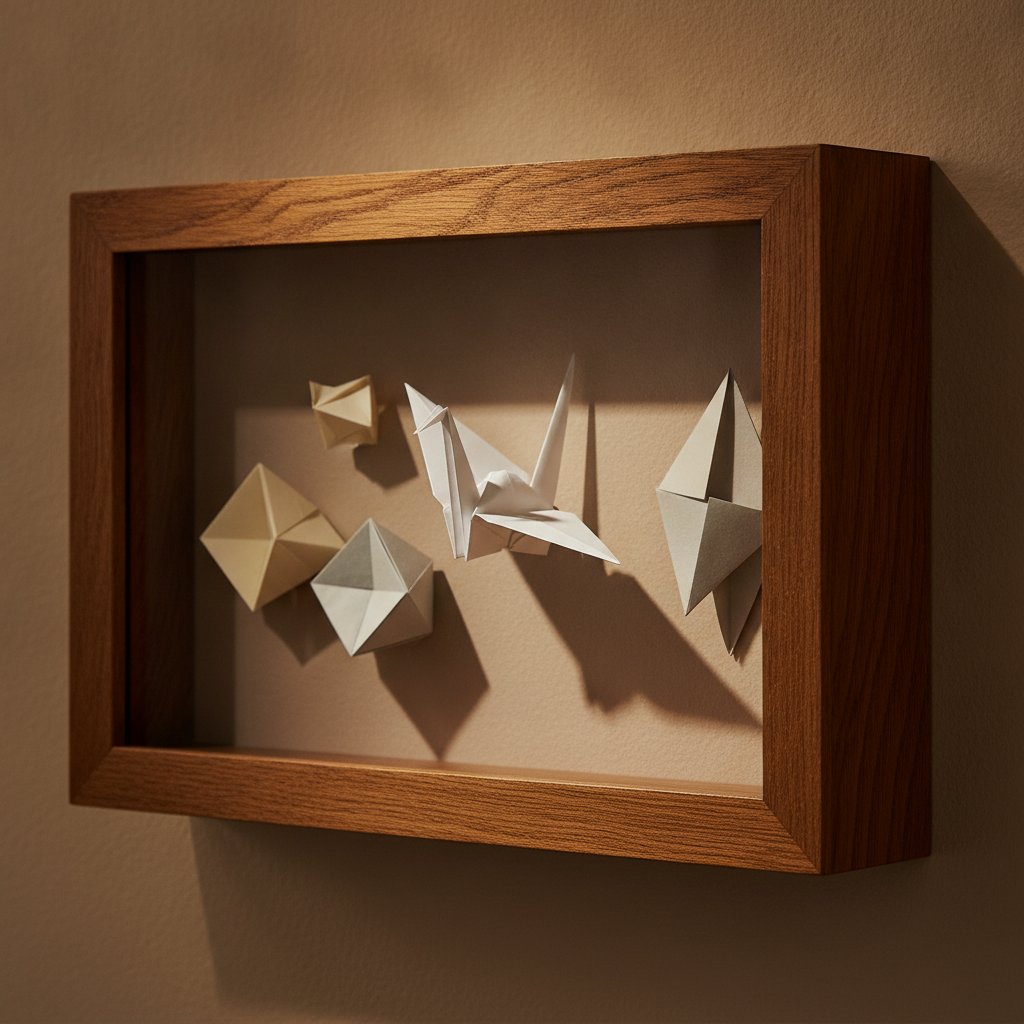
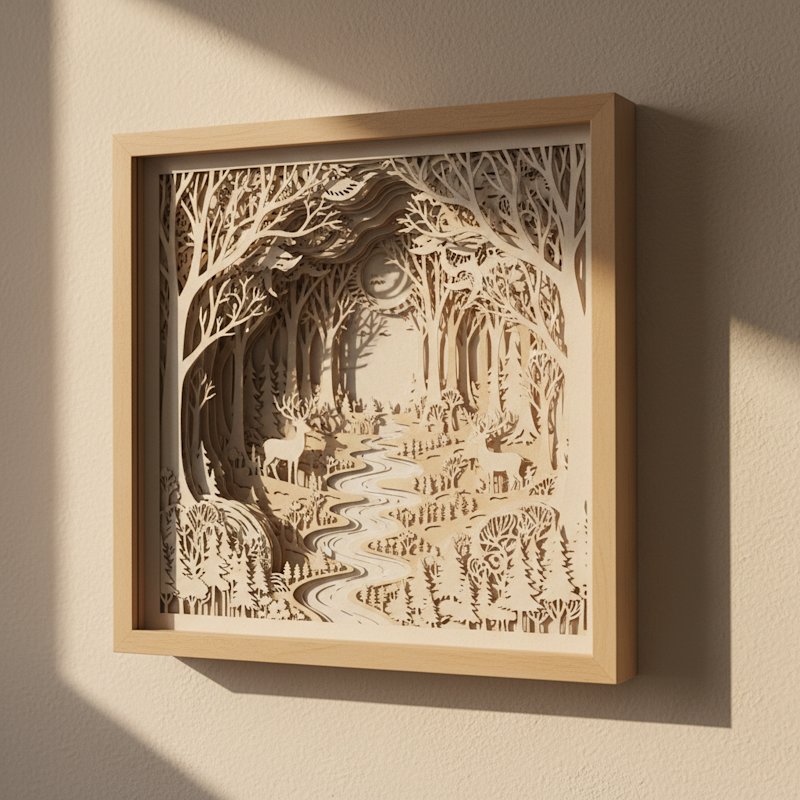
Papercut art float-mounted in a deep glassless shadow box frame on a wall

The first abstract print I bought was a 24×36 fluid piece in blues and golds that looked breathtaking in the online thumbnail. When it arrived, I slapped it into the cheapest frame I could find, hung it above a dark wood dresser, and stepped back. The colors that had sung on screen now looked muddy. The cheap frame cheapened it. The scale was wrong for the wall. I lived with that disappointment for a year before I figured out what had gone wrong.

Modern abstract art prints are forgiving subject matter — there is no "right" way for an abstract to look — but that freedom is exactly what trips people up. With nothing literal to anchor your choice, the print's style, the print quality, the frame, the scale, and the room all have to work together or the piece reads as noise. This guide is what I wish I had known before that first purchase: the five styles that matter, how to read print quality so you do not overpay, how to frame an abstract so it looks gallery-bought, and where each style actually belongs room by room.

If you want to skip straight to sizing math for the wall you have, our canvas print sizing guide covers the furniture-to-art proportion rules; this article is about the art itself.
Geometric abstracts with real depth
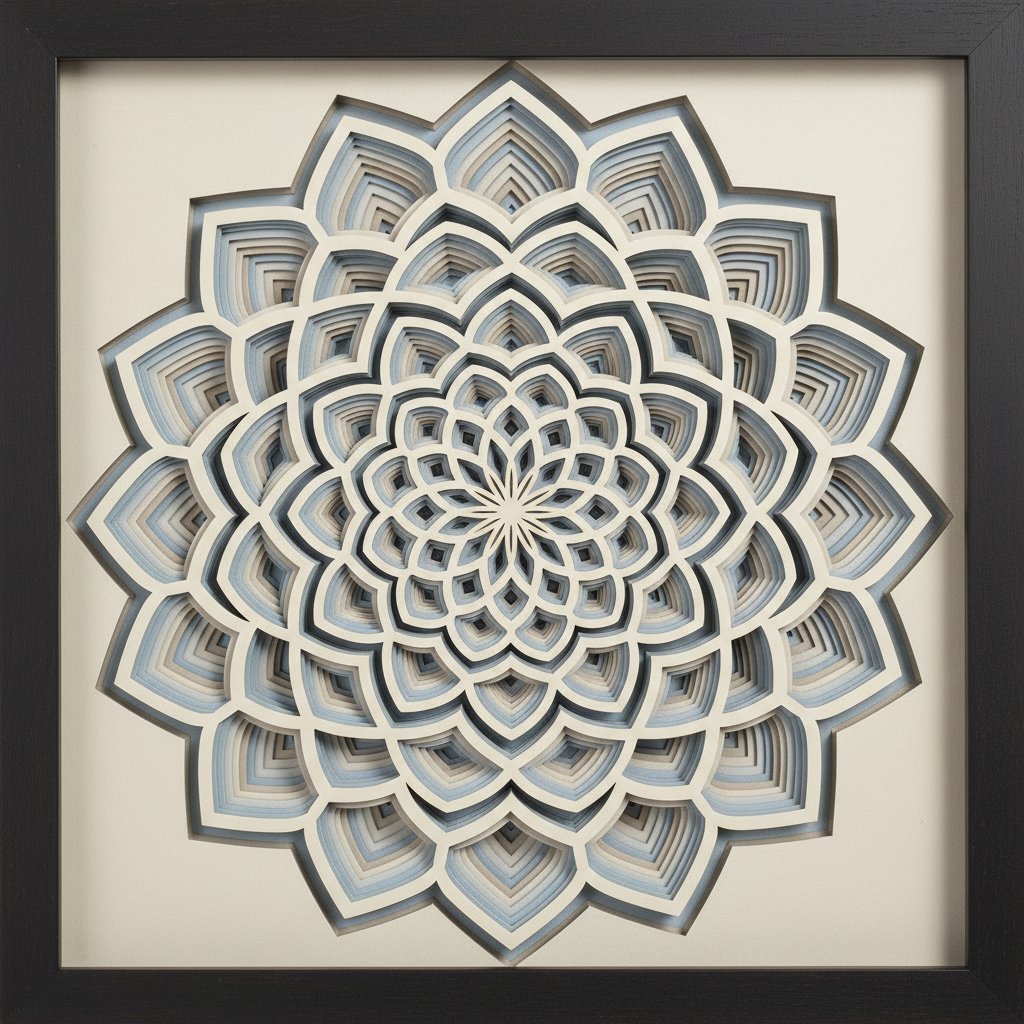
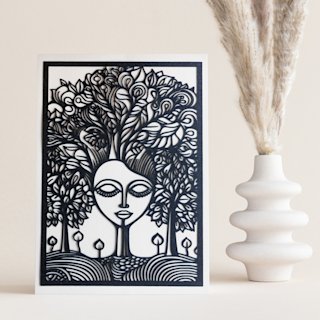
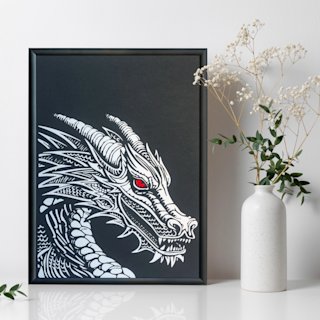
Layered paper-cut designs render abstract and geometric forms with genuine dimension — the kind of texture a flat print cannot match. The Mind Tree template is a favorite for minimalist and Scandi rooms; the Dragon template brings the structured energy an expressionist print would, in a medium you cut and assemble yourself.

Why Modern Abstract Art Prints Dominate Wall Decor

Walk through any styled room in a magazine and the centerpiece is more likely abstract than literal. There is a reason for that. Abstract prints are the most forgiving art form for a non-designer, because they solve three problems at once.

First, they match anything. A landscape demands a complementary color story; a portrait demands a mood. An abstract simply borrows or lends color, adapting to the room instead of fighting it. Second, abstracts scale without losing meaning — a 16×20 print and a 48×72 canvas of the same fluid composition both work, whereas a tiny detail photograph blown up to mural size falls apart. Third, they carry emotion without narrative, which is what most people actually want from living-room art: a feeling, not a story they have to explain to guests.

The trade-off is that "abstract" is a broad umbrella. Buying well means knowing which kind of abstract you are buying, because a minimalist print and an expressionist print behave like completely different objects in a room.

Layered geometric paper art displayed as wall decor

The Five Styles of Modern Abstract Art Worth Knowing

You can slice abstract art into a dozen micro-genres, but five cover almost everything you will encounter when shopping for prints.

Geometric abstracts are built on lines, shapes, and structured repetition — think interlocking triangles, concentric arcs, grid-based compositions. They read as orderly and architectural, which is why they suit home offices, hallways, and modern kitchens. A geometric print holds a room together without demanding attention.

Fluid and organic abstracts are the opposite: flowing forms, poured color, watercolor blooms, the look of ink in water. These are emotional and soft, ideal for bedrooms and reading nooks where you want the eye to drift rather than lock on. This is the style most people picture when they hear "abstract art print."

Minimalist abstracts use spare compositions and muted palettes — a single gesture on a pale field, two colors meeting at a horizon line. They are quiet on purpose and they punish bad framing, because there is nowhere for a cheap frame to hide.

Expressionist abstracts are loud — bold strokes, high contrast, visible energy. They are the statement piece you build a room around, and they clash beautifully with neutral furniture. Buy one large expressionist, not three small ones.

Textured abstracts fake the look of impasto or mixed media in print form. A good textured print photographed well can pass for an original painting at a distance, which is the whole appeal.

Intricate geometric mandala paper art as wall decor
Floral abstracts with a stained-glass feel
The stained-glass floral shadow box templates read as fluid abstract art once assembled — color blocking and organic form, not literal flowers. They are a strong pick for bedrooms and living rooms where you want warmth without a busy image.

The single biggest mistake people make with modern abstract art prints is paying gallery-prices for digital-output quality, or avoiding giclée because it sounds fancy. Here is what the three terms actually mean for what ends up on your wall.

Giclée is a high-resolution inkjet process using archival pigment inks on fine-art paper or canvas. Done well, a giclée holds fine detail and color for decades without fading. This is the tier to aim for with abstract prints, because abstracts live or die on color fidelity — a muddy blue ruins a fluid piece. Expect to pay more, and expect it to be worth it for anything you plan to keep.

Digital prints are standard commercial inkjet or laser output on everyday paper. They are affordable and the colors can be vivid, but they fade faster and the paper is thinner. Digital is fine for a kitchen or a child's room where you expect to rotate the art every few years. Do not pay giclée prices for it.

Lithograph is a traditional press process with rich, slightly tactile ink. You will mostly encounter it on limited editions. The texture is lovely and the value holds, but the color range is narrower than giclée, so it suits graphic and geometric abstracts better than fluid color-field work.

Paper matters as much as the method. Matte paper kills glare and suits minimalist and geometric work; satin adds depth to fluid and expressionist pieces; rag (cotton) paper is the premium choice for giclée because it absorbs ink the way canvas does.

Framed paper art displayed away from direct sunlight to preserve color

How to Frame a Modern Abstract Print

The frame is not an accessory — for an abstract print, the frame is half the presentation. My first framed abstract looked cheap because the frame was cheap, and no amount of good art survives a bad frame.

Float mounting is the gallery move: the print sits on top of the mat with its deckled edges visible, rather than hidden behind a window mat. It signals "this is real art" and it flatters textured and minimalist abstracts especially well. If you are spending giclée money, float-mount it.

Frame material by style: thin black or white metal frames suit geometric and minimalist abstracts — they echo the clean lines in the work. Natural wood frames pair with fluid and organic abstracts in Scandi or boho rooms. Avoid ornate gold frames on abstracts unless you are going for an intentional high-low contrast; usually the frame just competes.

Mat board: white is the safe default because it disappears. A colored mat should pull a secondary color from the print, never introduce a new one. No mat at all works for canvas wraps and for prints you are float-mounting.

For frame depth, spacing, and glass-vs-no-glass decisions, our guide on how to frame paper art without glass goes deeper — the glassless approach is especially relevant for abstracts, where glare from glass flattens the very color depth you paid for.

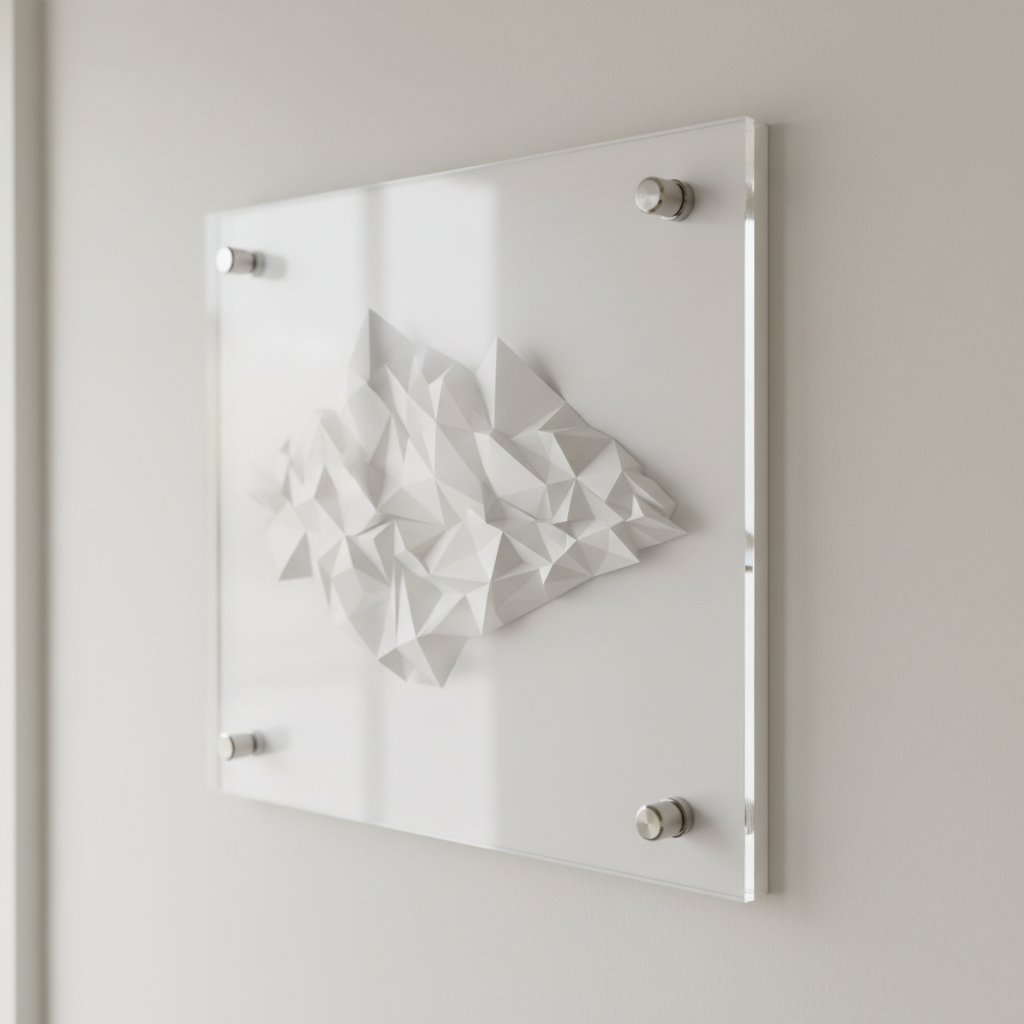
Paper art held between a clear acrylic panel and backing board for framing

Room-by-Room Abstract Art Placement

Where an abstract lives changes which style works. Here is what I have landed on after moving the same handful of prints around more rooms than I care to admit.

Living room: one large statement abstract as the focal point, sized to about two-thirds the width of the sofa (the canvas print sizing guide has the exact math). Expressionist and fluid abstracts dominate here because the living room can carry energy. Resist the urge to clutter the same wall with small pieces.

Bedroom: calming fluid abstracts in soft blues, greens, and warm neutrals. The bedroom is for rest, so the art should lower your heart rate, not raise it. Skip high-contrast expressionist work above the bed.

Home office: geometric and minimalist abstracts. The structure helps focus; the absence of narrative means nothing competes for your attention while you work.

Kitchen and bath: smaller abstracts in moisture-friendly frames. Bathrooms especially punish paper prints — humidity warps them — so lean toward canvas wraps or sealed frames, and keep giclée prints out of the steam.

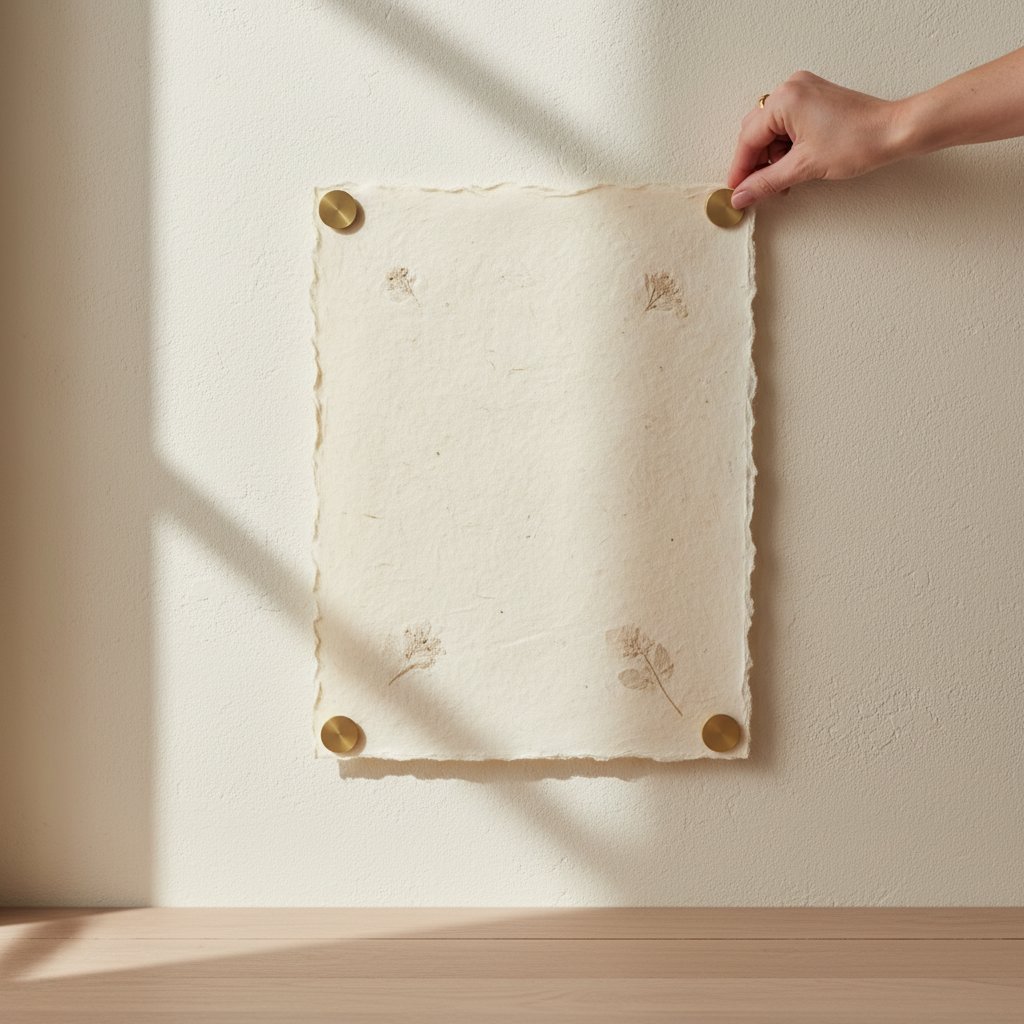
Paper art mounted directly on a wall as minimal decor
Nature-inspired abstracts for calm rooms
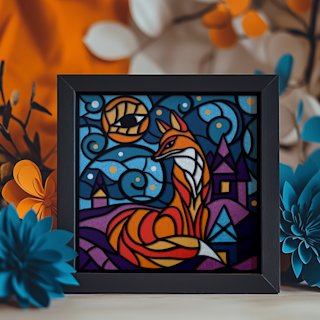
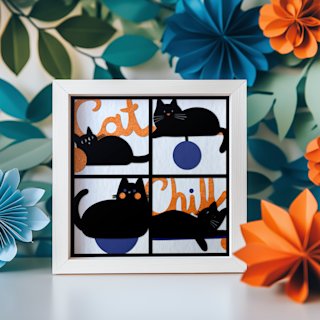
For bedrooms and quiet corners, the nature-leaning templates read as organic abstract art — the Magical Fox and Chill Cats designs use color blocking and silhouette rather than busy detail, which is exactly the low-energy visual a bedroom wants.

Two skills separate people who buy one good abstract from people who dress a whole house: color editing and gallery-wall composition.

Pull color from the room, not the trend. The abstracts that look intentional in my house are the ones where I matched a secondary color to something already in the room — a rug thread, a throw pillow, the veining in the stone. The abstracts that look "bought online" are the ones I chose because the color was fashionable that season. If your room is neutral, a single saturated abstract becomes the accent; if your room already has color, choose an abstract that borrows that color rather than adding a new one. Our color theory for layered paper art guide covers the underlying palette logic.

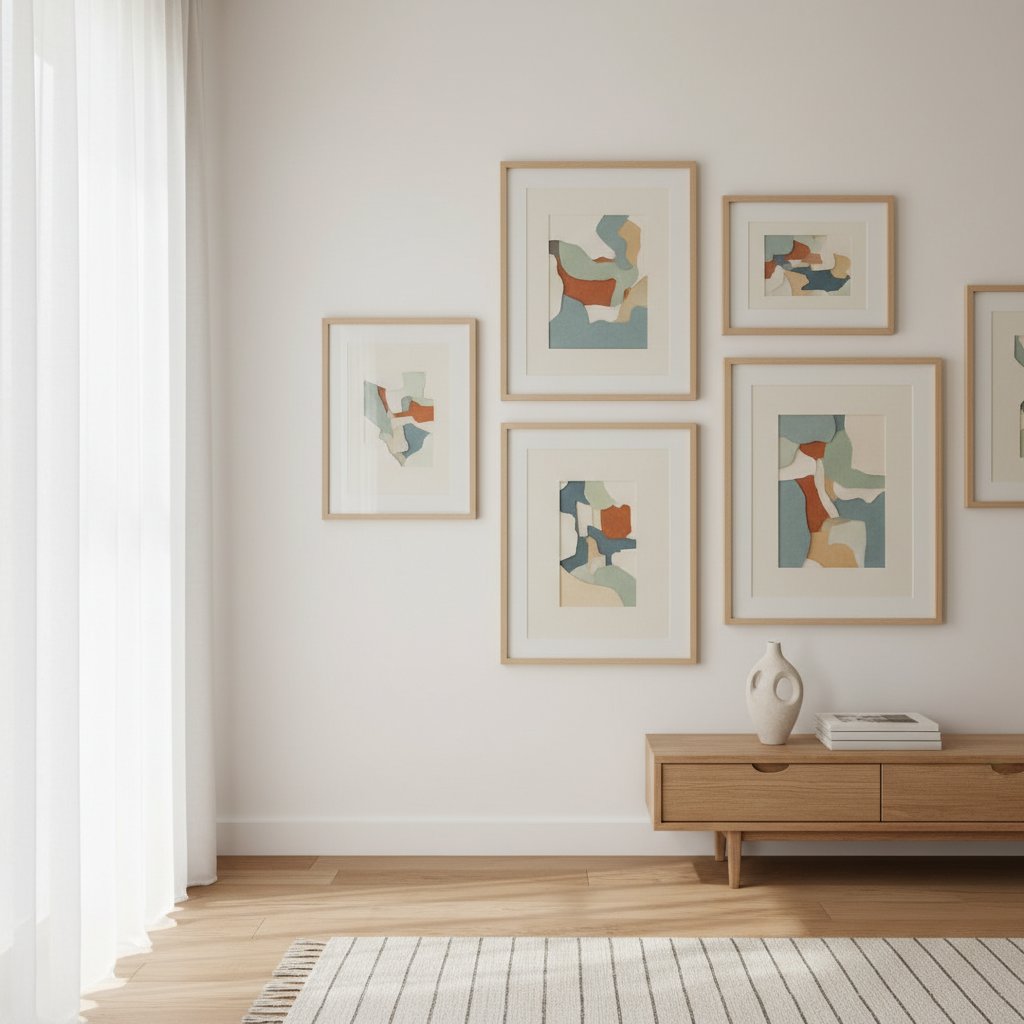
Gallery walls want a unifier. A wall of mixed abstracts works only if one element ties them together: a shared color palette, a shared frame style, or a shared scale rhythm. My failed gallery walls all had the same flaw — I hung prints I individually liked with no connective tissue, and the wall read as clutter. Anchor with one or two larger pieces, fill with medium, and leave breathing room rather than tiling edge to edge.

Colorful mixed media art composition suitable as wall decor If you enjoy the making side, techniques from our [mixed media paper art guide](/articles/mixed-media-paper-art-techniques-wall-art-beginners-guide/) and [paper mosaic art guide](/articles/paper-mosaic-art-beginners-guide/) let you create abstract wall art yourself, and [canvas painting ideas for beginners](/articles/canvas-painting-ideas-for-beginners/) is a good starting point if you want to paint your own abstract rather than print one.
1.What is the difference between an art print and a canvas print?
An art print is ink on paper (framed behind glass or float-mounted), while a canvas print is the image printed on canvas stretched over wooden bars, with no glass. Prints suit fine detail and crisp color; canvas suits large statement pieces and rooms where glare from glass is a problem. For modern abstract art, both work — choose by the room and the frame look you want.
2.What size abstract art print should I buy?
Size the art to the wall and the furniture below it, not to the image. Above a sofa or bed, the art should span roughly two-thirds of the furniture's width. A common mistake is buying a print that looked large online but reads as a postage stamp on the wall. When in doubt, go bigger — the canvas print sizing guide on this site has the exact proportion math for every room.
3.Are giclée prints worth the extra cost?
For abstract art, usually yes. Abstracts depend on accurate, layered color, and giclée's archival pigment inks hold that color far longer than standard digital printing. If the piece is a focal point you plan to keep for years, pay for giclée. If you rotate kitchen or kid-room art every couple of years, digital prints are a fine, cheaper choice.
4.How do I choose abstract art that matches my room?
Match a secondary color in the print to something already in the room — a rug, a pillow, or stone veining — rather than chasing a trendy color. In a neutral room, one saturated abstract becomes the accent. In a colorful room, choose an abstract that borrows the existing palette so it does not add a competing color.
5.Which abstract style works best over a sofa?
A single large fluid or expressionist abstract, sized to about two-thirds the sofa's width, is the most reliable living-room focal point. Avoid clustering several small abstracts above a sofa — it reads as clutter. Geometric abstracts work over a sofa too, especially in modern or minimalist rooms, but keep it to one strong piece.