Orientation, Canvas Depth, and Budget Tips
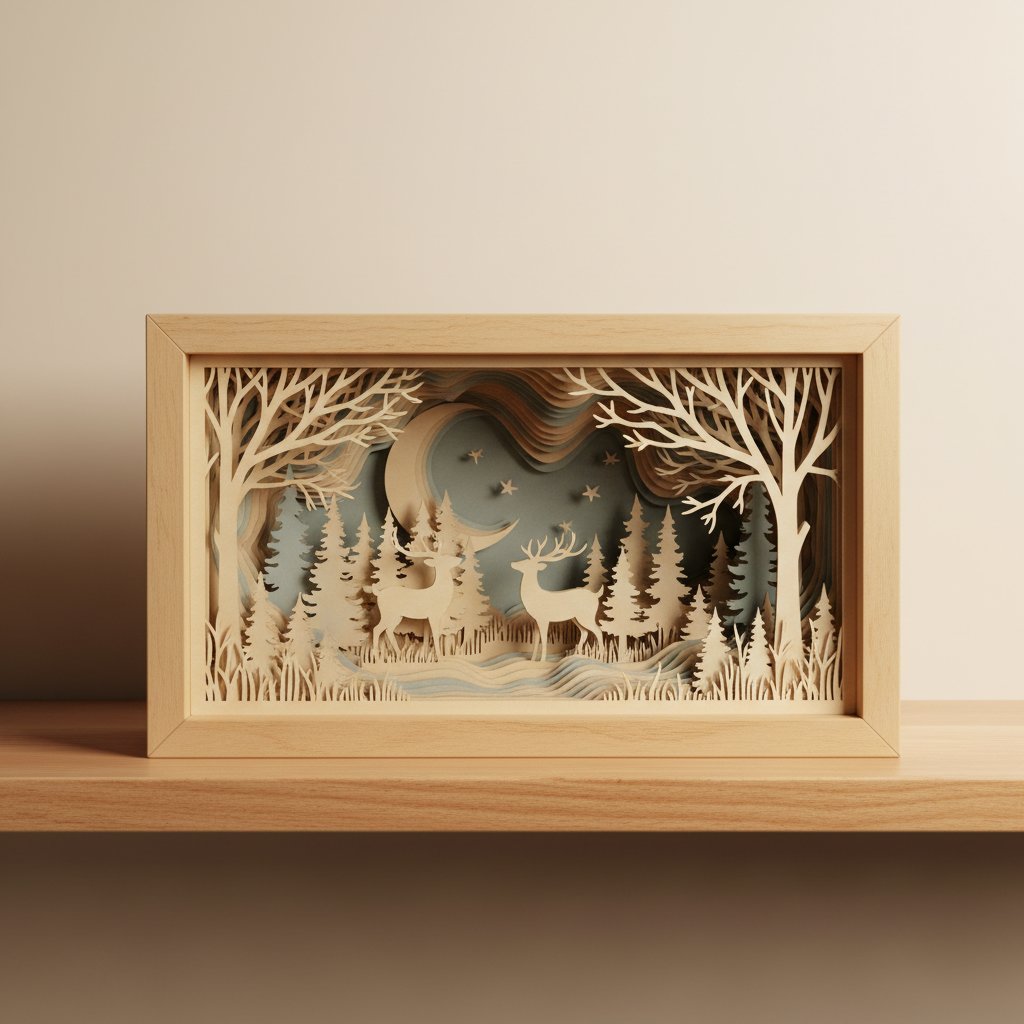
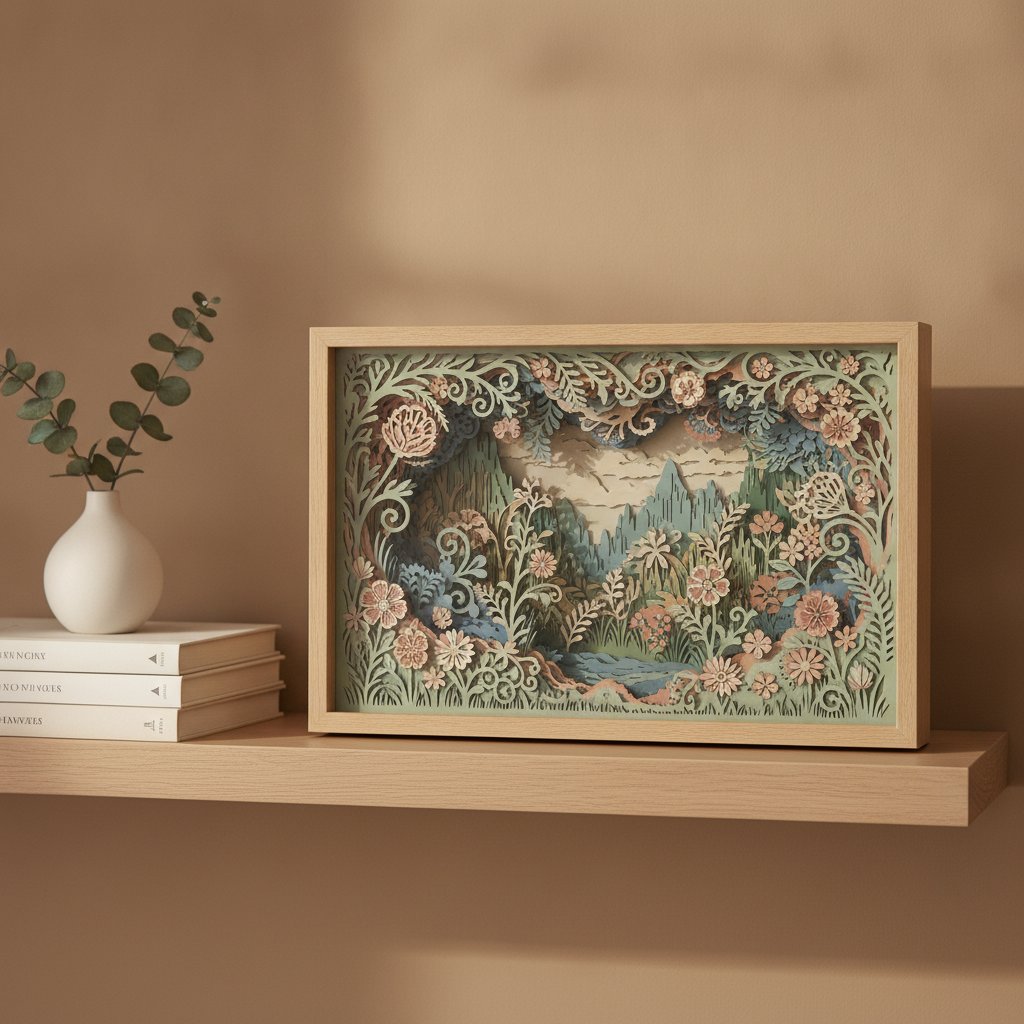
Landscape (horizontal) canvases work best above wide furniture — sofas, beds, buffets, console tables. The horizontal format mirrors the furniture's proportions. Use landscape orientation when your wall is wider than it is tall.
Portrait (vertical) canvases add height to a room. They work on narrow wall sections (between windows, beside doorways), in rooms with high ceilings, and on stairwell walls.
Square canvases are the most flexible. They work in nearly any orientation context and are especially useful in gallery walls where you're mixing sizes.
Canvas depth matters. Standard depth (3/4 inch) sits close to the wall and reads relatively flat. Gallery wrap (1.5 inch) adds physical presence — the canvas projects from the wall, casting a subtle shadow and creating dimension. This makes a 24×36 canvas feel more like a 26×38 piece visually. Gallery wrap is worth choosing for statement pieces and rooms where the canvas is the focal point.
Edge wrap options. The image can wrap around the edge (called "mirror wrap" or "image wrap") or the edges can be a solid color. Image wrapping effectively increases the visible art area, since the design extends around the sides. Solid-color edges keep the full image on the front face but slightly reduce the perceived width.
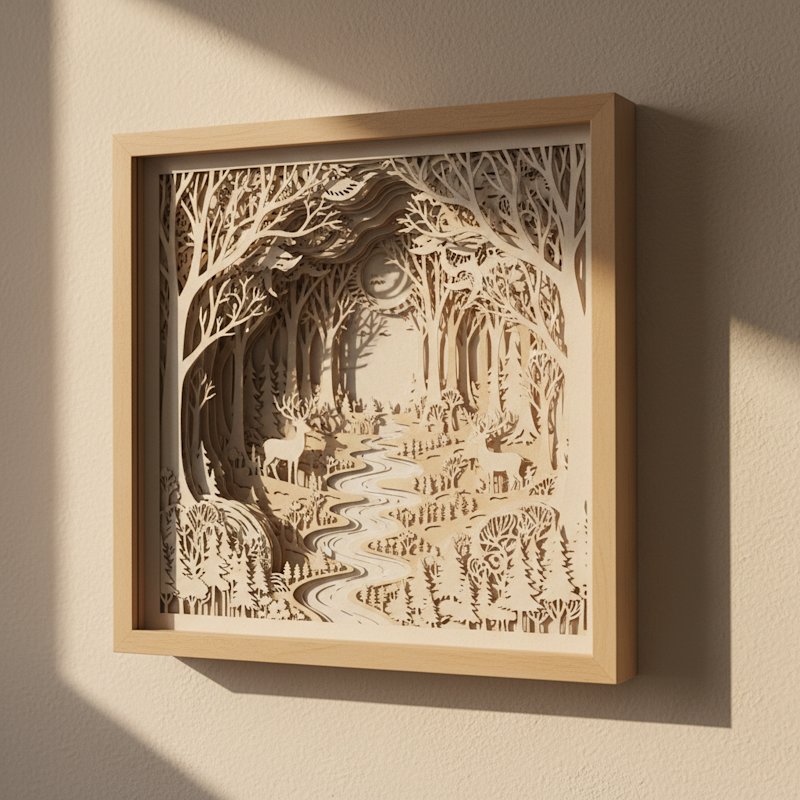
Floating frames. A floating frame sits slightly away from the canvas edge, creating a shadow line that adds depth without significantly increasing the piece's footprint. This is an excellent middle ground — you get the finished look of a frame without losing the contemporary feel of an unframed canvas. Floating frames typically add only 1–1.5 inches per side.
Framed vs. unframed. Adding a frame to a canvas print increases its total dimensions by 1–3 inches on each side. A 24×36 canvas in a 2-inch frame reads as roughly 28×40 on the wall. Account for frame width when planning your proportions.
Budget-friendly sizing. Canvas pricing scales with size — but not always linearly. Medium-to-large canvases actually offer the best value per square inch. A 30×40 canvas at $90 costs about $0.075 per square inch, while a 16×20 at $30 costs about $0.09 per square inch. A 40×60 at $200 costs about $0.083. The takeaway: sizing up from 16×20 to 30×40 saves you money per square inch while delivering dramatically more visual impact.
Canvas clusters vs. single statement piece. Three 16×20 canvases ($75–120 total) spanning a wall can rival the visual impact of one 30×40 canvas ($70–130) at a similar total cost. The cluster approach works better in casual spaces; the single statement piece reads more formal and contemporary.
When to splurge on oversized. One scenario where spending more on size absolutely pays off: the living room sofa wall. A 36×48 or 40×60 canvas in this position anchors the entire room. It's the wall everyone sees first and most often. If your art budget is limited, allocate the largest share to this one location and use smaller, more affordable canvases everywhere else.
Seasonal rotation strategy. If you like refreshing your decor with the seasons, buy two or three medium canvases (20×30 is ideal) and rotate them rather than displaying all of them at once. This keeps your walls feeling current without the cost of buying new art every few months.