Articles17 min read

Shadow Box Nursery Decor: Paper Art Nightlight Guide

Create a calming, beautiful space with shadow box nursery decor — layered paper art that doubles as a gentle LED nightlight for your baby's room.

Light Up Paper Cut Shadow Box Safely with LED Lights

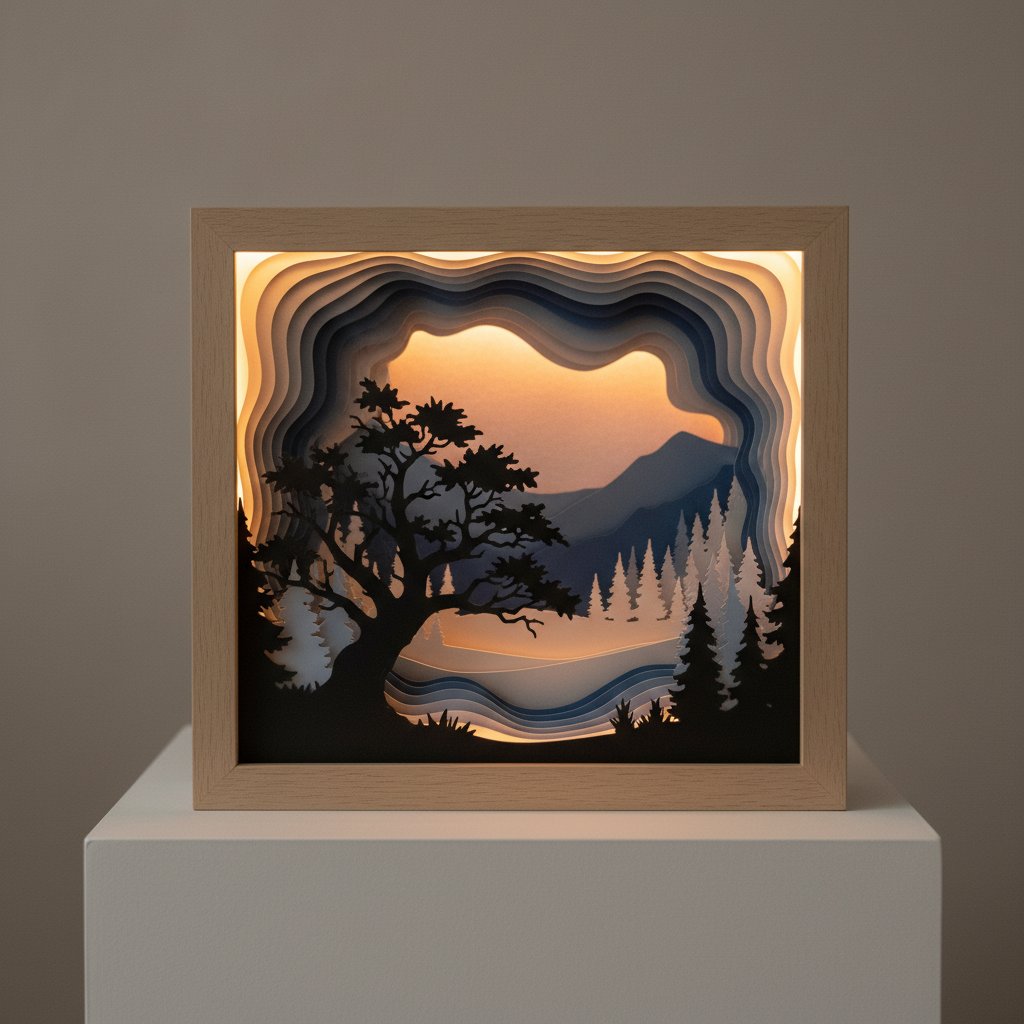
Designing a nursery is one of the most joyful parts of preparing for a new baby. Every detail matters — from the color of the walls to the soft glow of the nightlight. Shadow box nursery decor brings both art and function together in one beautiful package: layered paper art displayed in a deep frame, illuminated by safe, cool-to-the-touch LED lights that cast a soothing glow across the room.

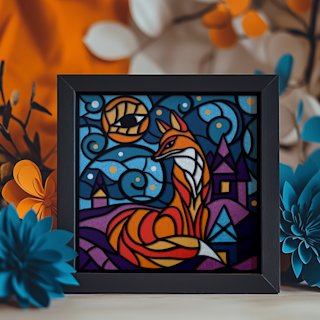
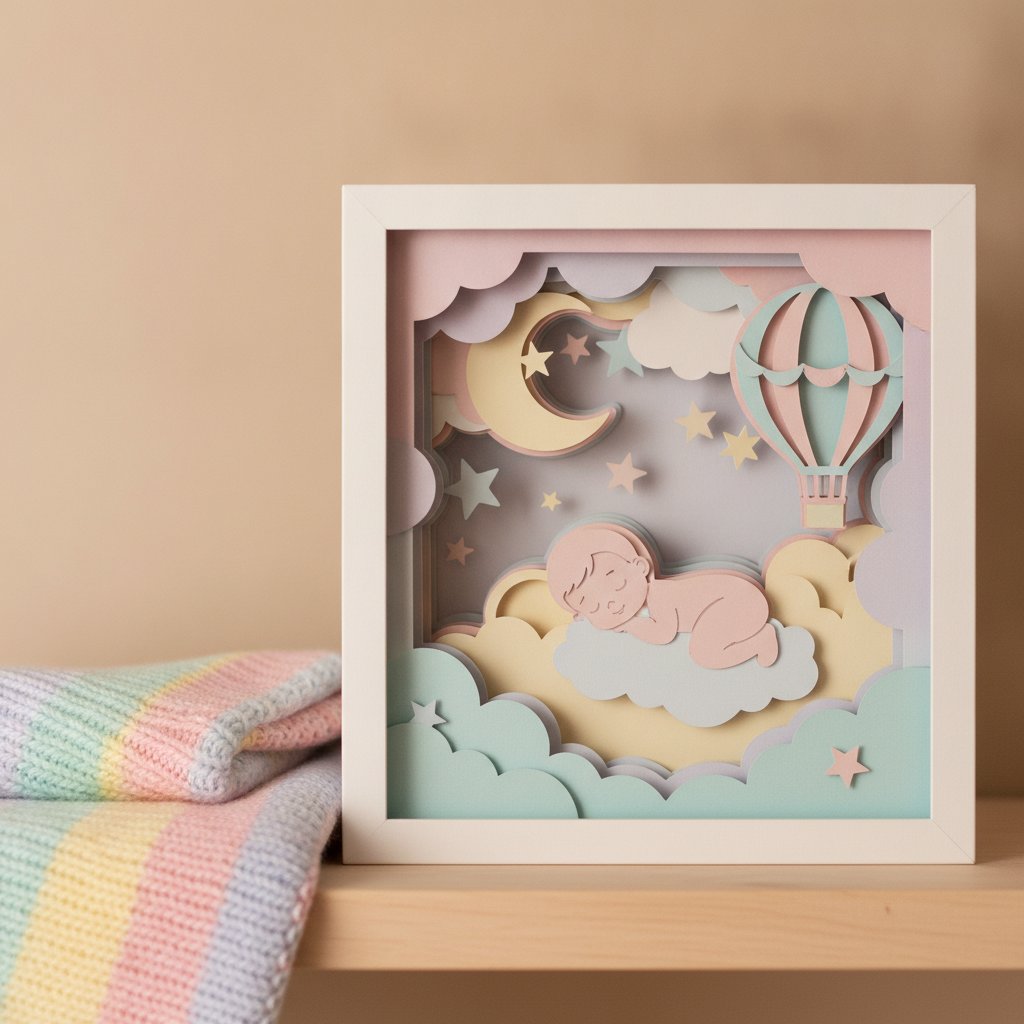
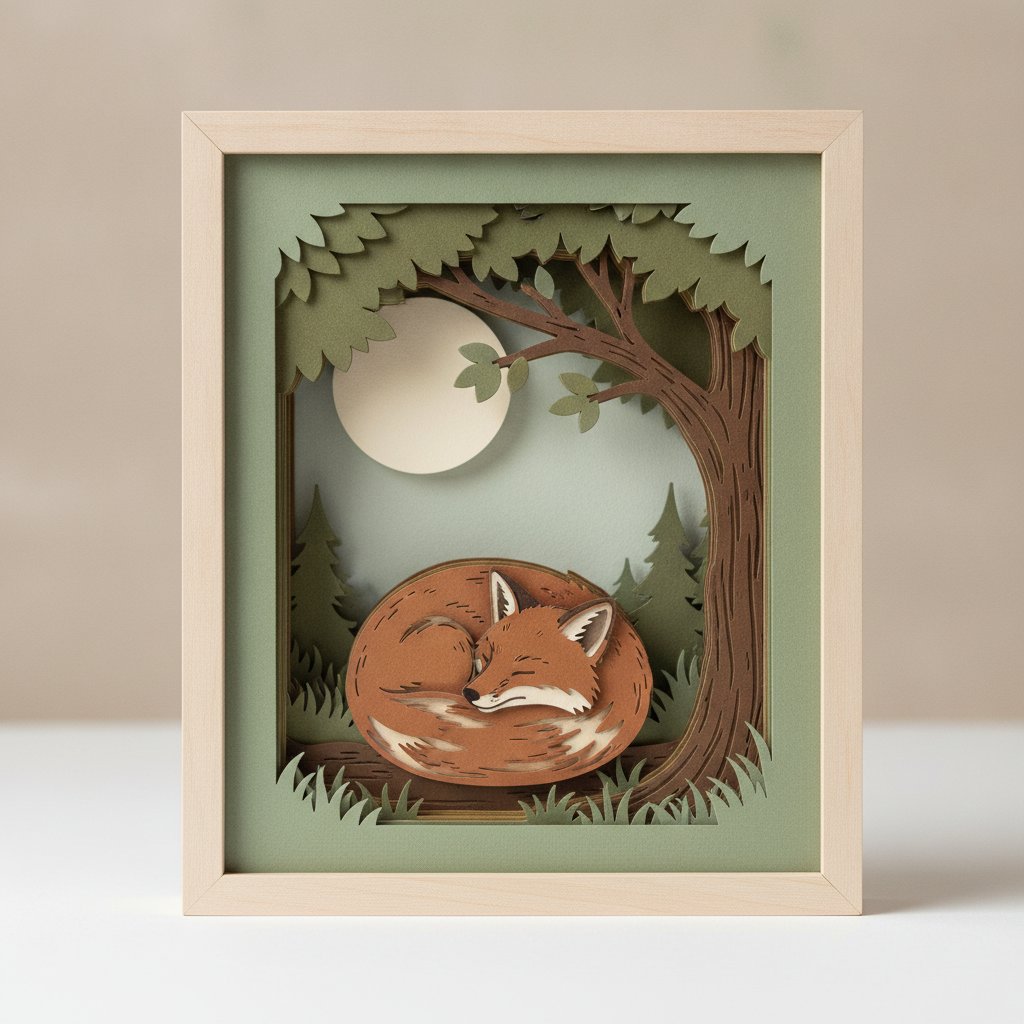
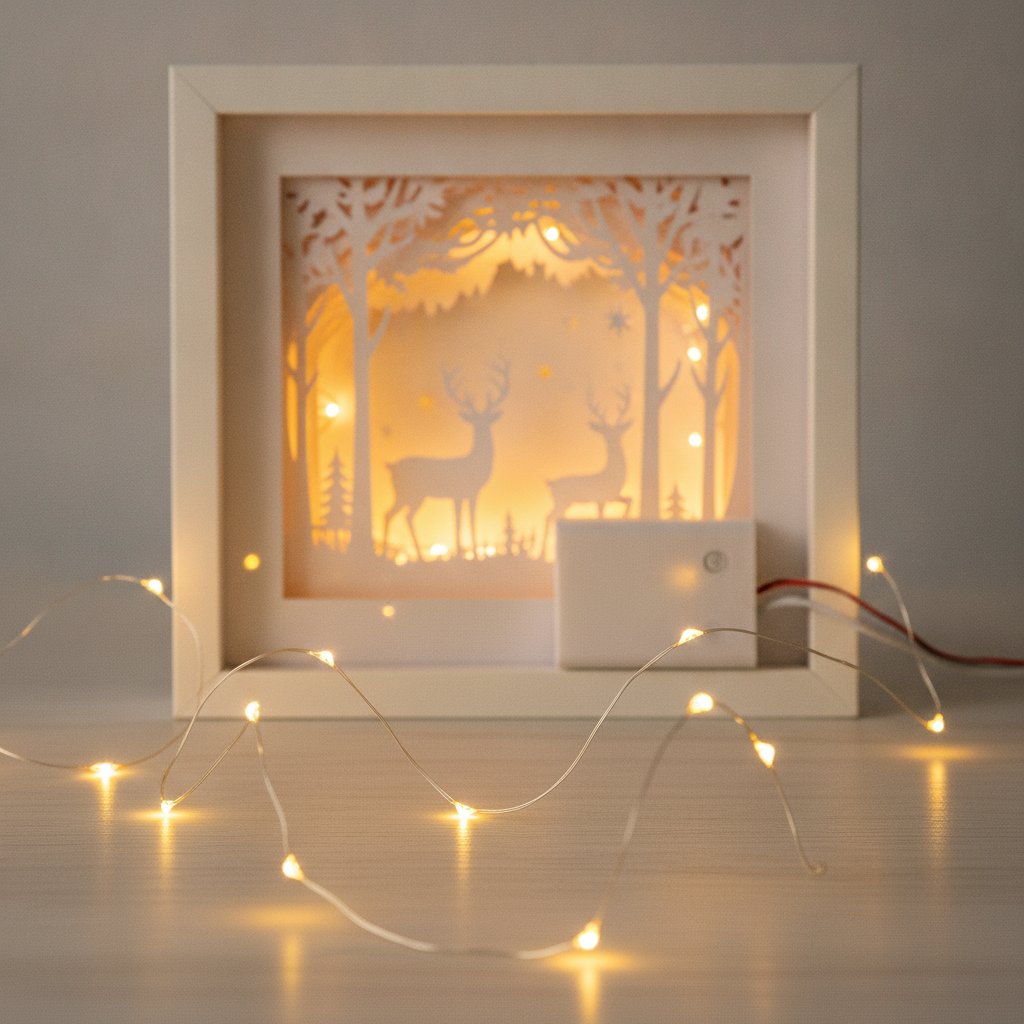
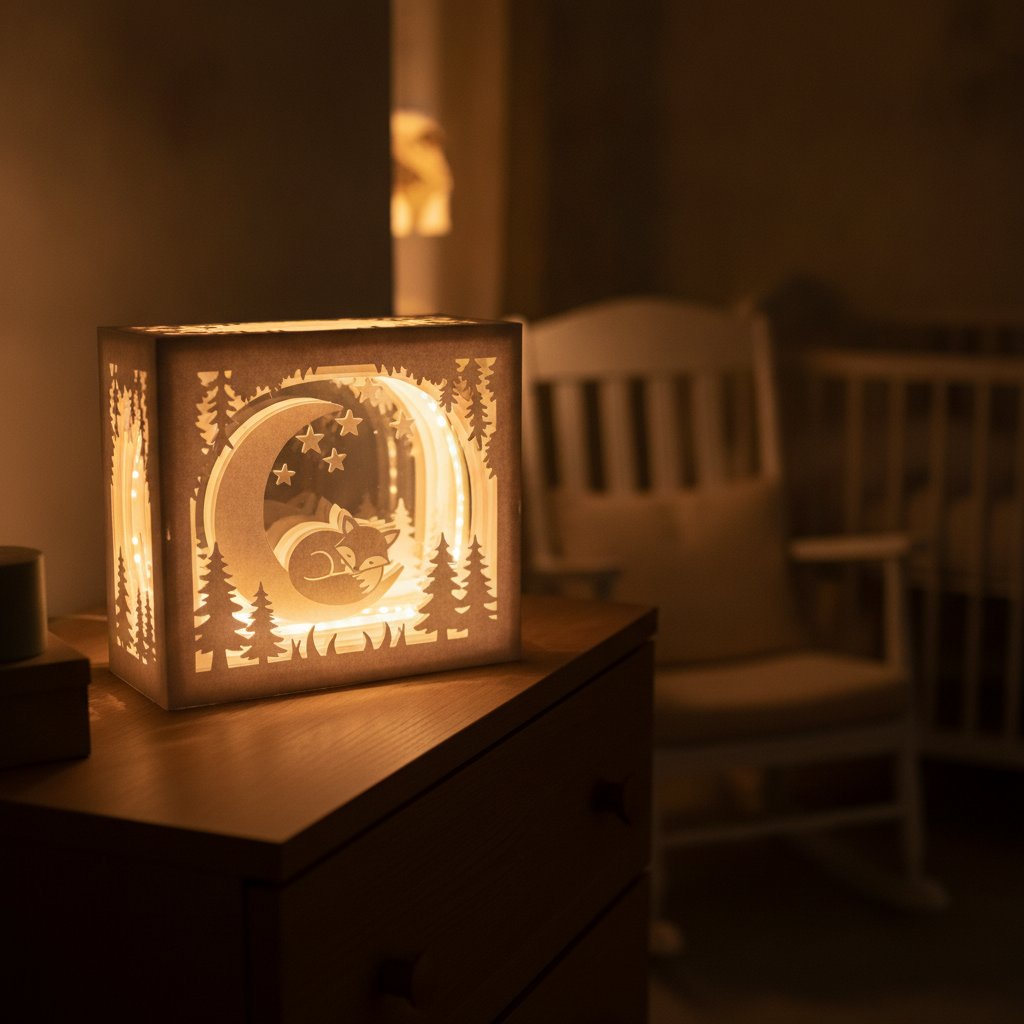
Unlike flat prints or mass-produced wall hangings, a paper shadow box creates actual depth. Multiple layers of intricately cut cardstock stack inside a frame, forming a miniature scene — a sleeping fox under moonlight, a garden of soft florals, or a whimsical hot air balloon drifting through clouds. When you add LED fairy lights behind those layers, the design transforms into a gentle nightlight that comforts your baby through the night.

This guide covers everything you need to know about choosing, making, and displaying shadow box nursery decor. We'll walk through design themes perfect for baby rooms, safety considerations specific to nurseries, how to add LED lighting, and framing options that look beautiful on a nursery wall.

Whether you're a crafter with a Cricut or Silhouette machine looking to make something special, or a parent searching for unique nursery decor, this guide has you covered.

Why Shadow Box Nursery Decor Works So Well

Depth and Dimension That Calm

Babies are visually drawn to contrast and depth. A flat poster is fine, but a layered paper shadow box creates a three-dimensional scene that catches and holds attention during those quiet waking moments in the crib. The play of light and shadow through the cut layers produces a soft, ever-changing visual that's far more engaging than a standard print.

The layered construction means each shadow box tells a tiny story. A moonlit forest with a sleeping animal. A garden with butterflies at different depths. A cityscape with tiny windows that glow when backlit. These miniature worlds give your baby something gentle and fascinating to look at, especially during nighttime feedings when the main lights are off and the shadow box glow is the only illumination.

Dual Purpose: Wall Art and Nightlight

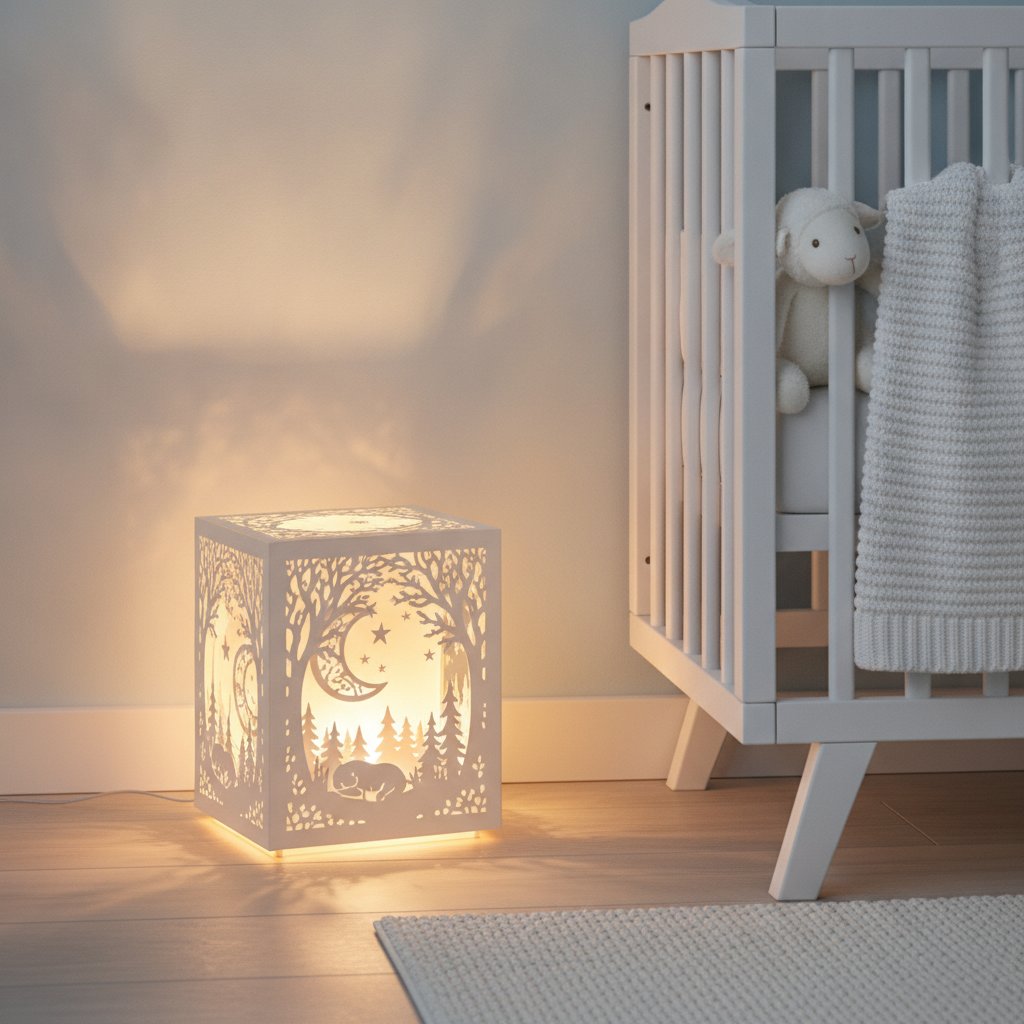
Here's what makes shadow box nursery decor especially appealing: it serves double duty. During the day, it's beautiful layered wall art that adds personality and warmth to the room. At night, the built-in LED lighting turns it into a soft nightlight that helps your baby (and you) navigate those 3 AM wake-ups without harsh overhead lighting.

A traditional nightlight plugs into a wall outlet and casts light in one direction. A light-up shadow box, on the other hand, creates a warm ambient glow that fills a small area of the room — exactly what you want near a changing table or beside the crib. The paper layers diffuse the LED light, producing a gentle, even illumination that's far softer than any plug-in nightlight.

Personalized and Meaningful

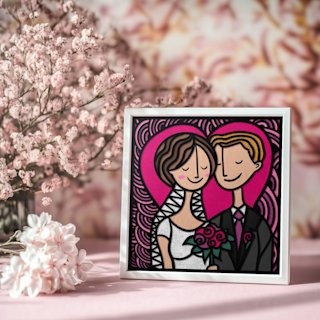
Unlike store-bought nursery decor that thousands of other parents also own, a paper shadow box can be deeply personal. Craft one yourself using a Cricut or Silhouette machine and a quality SVG template. Choose colors that match your nursery palette. Add the baby's name or birth date using vinyl on the glass. Create a one-of-a-kind piece that becomes a keepsake your child can keep forever.

A custom shadow box also makes an extraordinary baby shower or new baby gift. Imagine giving new parents a handcrafted light-up paper art piece featuring their nursery theme — an owl, a fox, a floral wreath — personalized with their baby's name. It's the kind of gift that gets displayed prominently and treasured for years.

For a step-by-step walkthrough of the entire shadow box creation process, our guide to making layered paper cut shadow boxes with Cricut and Silhouette covers everything from choosing paper to final assembly.

Choosing the Perfect Nursery Theme for Your Shadow Box

The best shadow box designs for nurseries share a few qualities: they're gentle, whimsical, and age-appropriate. Here are the themes that work beautifully in baby rooms:

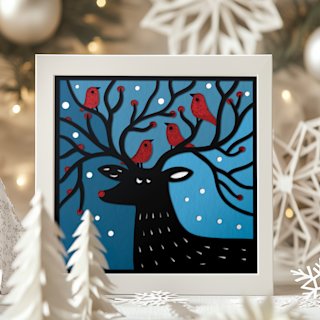
Woodland animals. Foxes, owls, deer, and rabbits are perennial nursery favorites. A layered woodland scene — say, a fox curled up under a tree with moonlight filtering through the leaves — creates a calming bedtime atmosphere. The natural color palette (muted greens, soft browns, warm oranges) blends easily with most nursery color schemes.

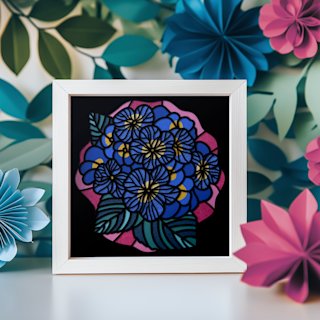
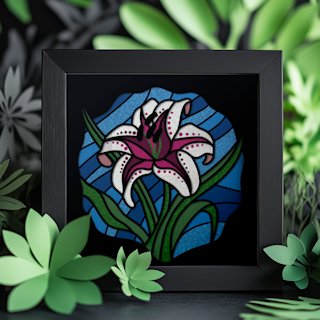
Floral and botanical. Delicate flower layers in soft pastels — roses, hydrangeas, lilies — create a serene, garden-like feel. Botanical shadow boxes work especially well in nurseries with floral or nature-inspired decor. The layered petal construction produces gorgeous depth when backlit, with light filtering through the cutouts to create a stained-glass effect.

Celestial and dreamy. Moons, stars, clouds, and hot air balloons evoke bedtime and dreams. A crescent moon with layered clouds and tiny stars is perfect for a nightlight shadow box — the moon itself glows while the cloud layers create soft, varying shadows. Celestial themes work beautifully in gender-neutral nurseries.

Seasonal scenes. A gentle winter scene with snowflakes and a snowman, or a spring garden with butterflies, lets you rotate decor as your baby grows. Seasonal shadow boxes give you an excuse to craft new designs throughout the year, keeping the nursery feeling fresh.

Color Palettes That Work in Nurseries

Color choice is critical for nursery decor. The right palette soothes; the wrong one overstimulates. For shadow box nursery decor, stick with these guidelines:

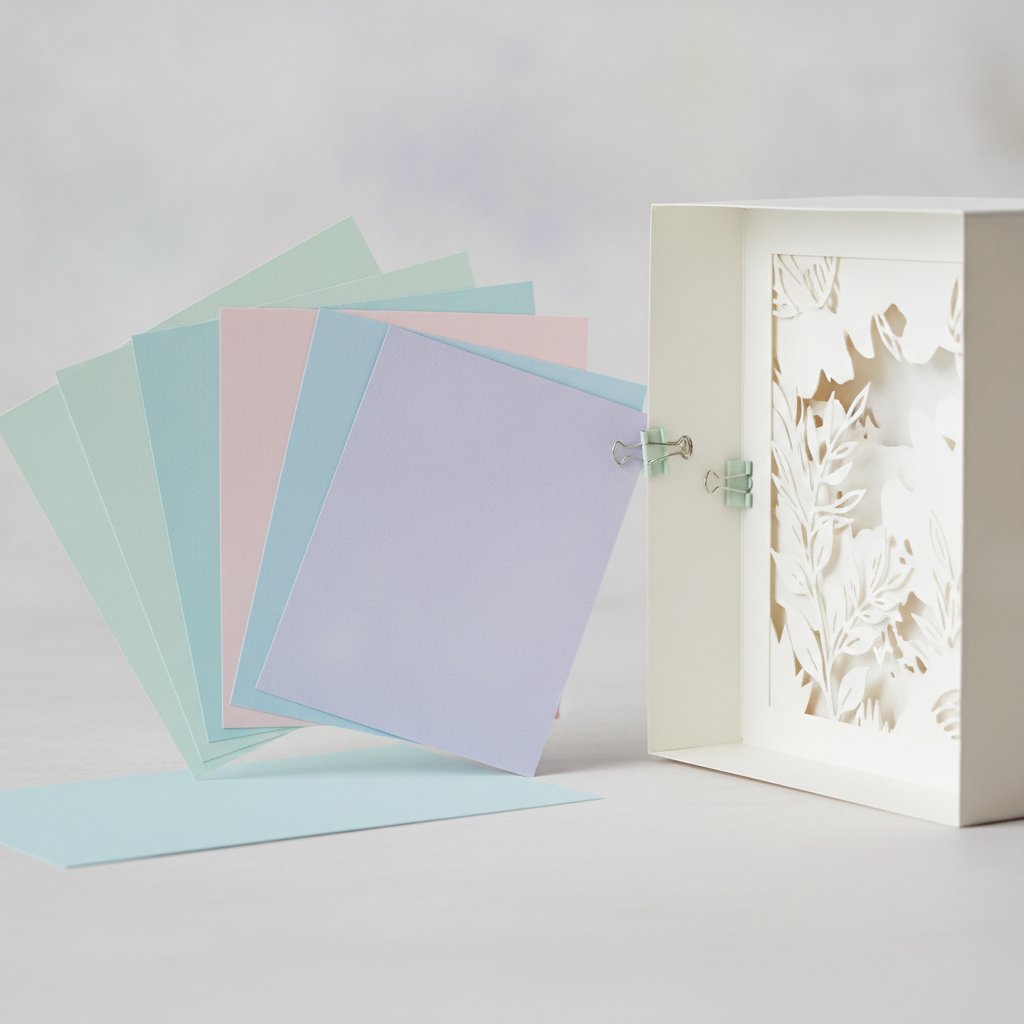
Soft pastels. Mint green, blush pink, powder blue, lavender, and pale yellow are classic nursery colors. They're calming and work beautifully in cardstock. Layer different shades of the same color family for depth — three layers of blue, from deep navy at the back to pale sky blue at the front, create a stunning sky effect.

Warm neutrals. Cream, beige, warm white, and soft gray create a sophisticated, modern nursery look. Neutral shadow boxes pair beautifully with minimalist or Scandinavian-inspired nursery design. Add warmth by using warm white LED lighting.

Monochromatic schemes. An all-white shadow box with layers of varying white cardstock — matte, pearl, and vellum — creates an ethereal, cloud-like effect when backlit. This approach is stunning in a modern nursery and proves that colorful isn't always better.

Avoid bold, saturated colors right next to the crib. While bright reds and electric blues look striking, they can be overstimulating in a sleep environment. Save bold accent colors for the outermost frame or for shadow boxes placed farther from the crib.

Safety First: Shadow Boxes in the Nursery

LED Safety for Baby Rooms

Safety is the top priority in any nursery. The good news: modern LED fairy lights are exceptionally safe for baby rooms. Here's why:

Cool to the touch. Battery-operated LED fairy lights generate almost no heat. Even after hours of continuous operation, the tiny bulbs remain at or near room temperature. This means there's no burn risk and no fire hazard — critical considerations for anything placed near a crib.

No electrical cords. Battery-operated LEDs eliminate the need for wall outlets near the crib. No cords to trip over, no plugs for curious toddlers to pull on later. The battery pack tucks neatly behind the frame or attaches to the back, completely out of reach.

Non-toxic materials. Quality cardstock (the 65-80 lb weight used in shadow boxes) is acid-free and non-toxic. Combined with a wooden or composite frame and glass or acrylic front, a shadow box is an inert, safe decorative object.

For detailed guidance on choosing and installing LED lights safely, our complete LED shadow box lighting guide covers temperature testing, wire routing, battery pack placement, and ongoing maintenance.

Mounting Securely on Nursery Walls

A shadow box in a nursery must be mounted securely — this is non-negotiable. Here's how to do it right:

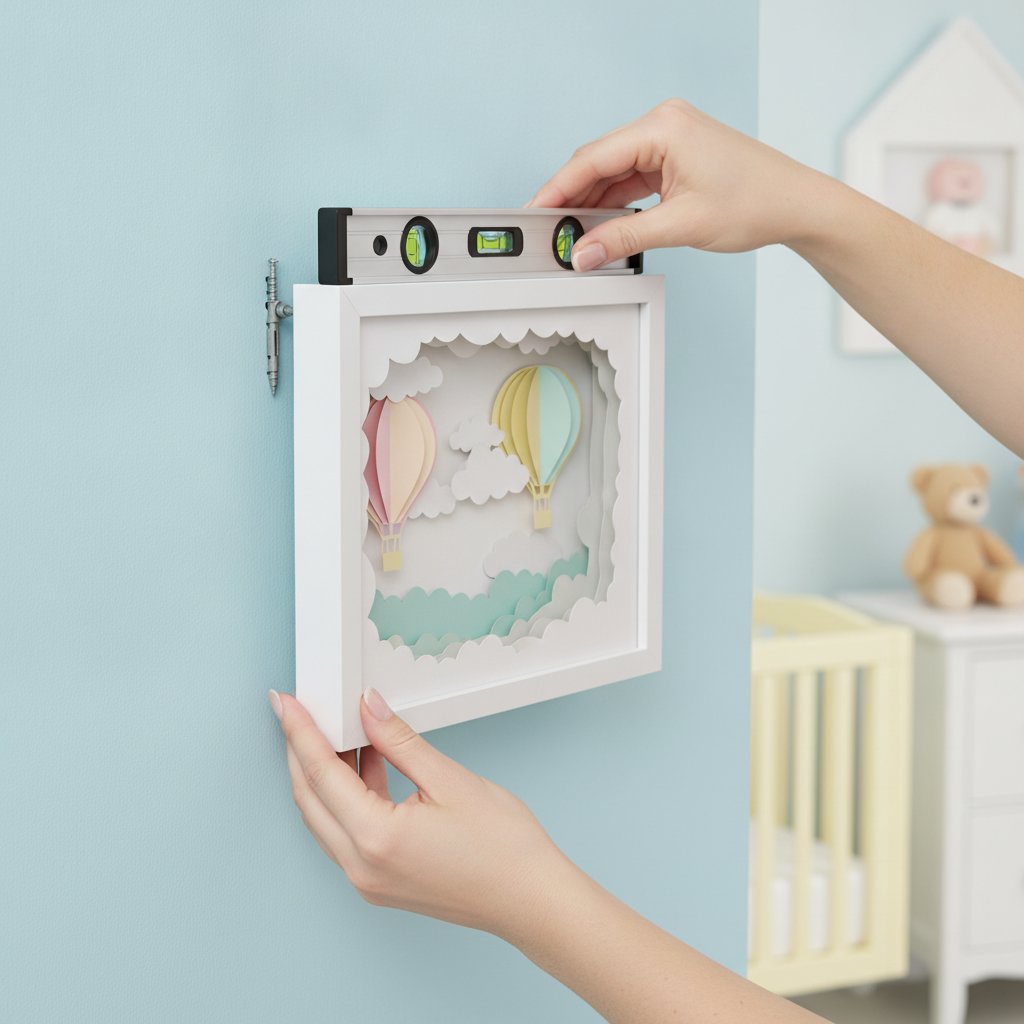
Use proper wall anchors. Don't rely on the small nails or hooks that come with picture frames. For drywall, use toggle bolts or molly bolts rated for at least twice the weight of your shadow box. A typical 8×8 inch shadow box with layers, lights, and frame weighs 1-2 pounds, but always mount for a higher weight rating.

Position above reach. Mount shadow boxes high enough that a standing toddler cannot reach them. A good rule: at least 4 feet from the floor. This keeps the art visible from the crib but out of grabbing range as your baby grows.

Avoid placement directly over the crib. While it's tempting to place decor right above where your baby sleeps, best practice is to mount shadow boxes on adjacent walls. If you do place one above the crib, ensure it's mounted with heavy-duty anchors and check them periodically.

Secure the frame backing. Make sure the frame's backing is firmly secured with all clips or tabs engaged. You don't want the back panel — which holds the battery pack and lights — coming loose. Some parents add a small piece of tape across the backing seam for extra security.

Battery Safety and Access

Battery compartment security. The battery pack should be sealed inside the frame or firmly taped to the back. Never leave a loose battery pack where a child could access it. Button batteries are particularly dangerous if swallowed, so ensure any remote controls are stored well out of reach.

Battery replacement routine. Establish a routine for checking and replacing batteries. Mark your calendar monthly. When lights dim noticeably, replace batteries promptly. Always use quality alkaline batteries from reputable brands.

Timer function. Many LED fairy lights include a timer that automatically shuts off after 4-6 hours. This is perfect for nursery use — set the timer at bedtime and the light turns off on its own, saving battery life and ensuring the room goes dark for deep sleep.

Adding the LED Nightlight Effect

Choosing the Right LED Color for a Nursery

The color of your LED lighting sets the entire mood of the shadow box at night. For nurseries, the right choice matters for both aesthetics and your baby's sleep quality:

Warm white (2700-3000K). This is the gold standard for nursery shadow boxes. Warm white mimics the soft glow of candlelight or a sunset. It's gentle on developing eyes and, unlike blue or cool white light, it doesn't interfere with melatonin production. Warm white LEDs help signal to your baby's brain that it's time for sleep.

Soft amber. An even warmer option than warm white, amber LEDs produce a golden, sunset-like glow. This is the most sleep-friendly lighting option available. If your baby is particularly sensitive to light during sleep, amber is the best choice.

Cool white and blue — avoid for nurseries. Cool white and blue LEDs may look modern and crisp, but research shows that blue-spectrum light suppresses melatonin and can disrupt sleep patterns. Save these colors for playrooms and living areas, not the nursery.

RGB with warm setting. If you want versatility, RGB LED lights with a remote control let you switch between warm white for bedtime and gentle colors for daytime display. Just make sure the default setting is warm white or amber.

Positioning Lights for the Best Nightlight Effect

How you position the LED lights inside the shadow box determines the quality of the nightlight glow:

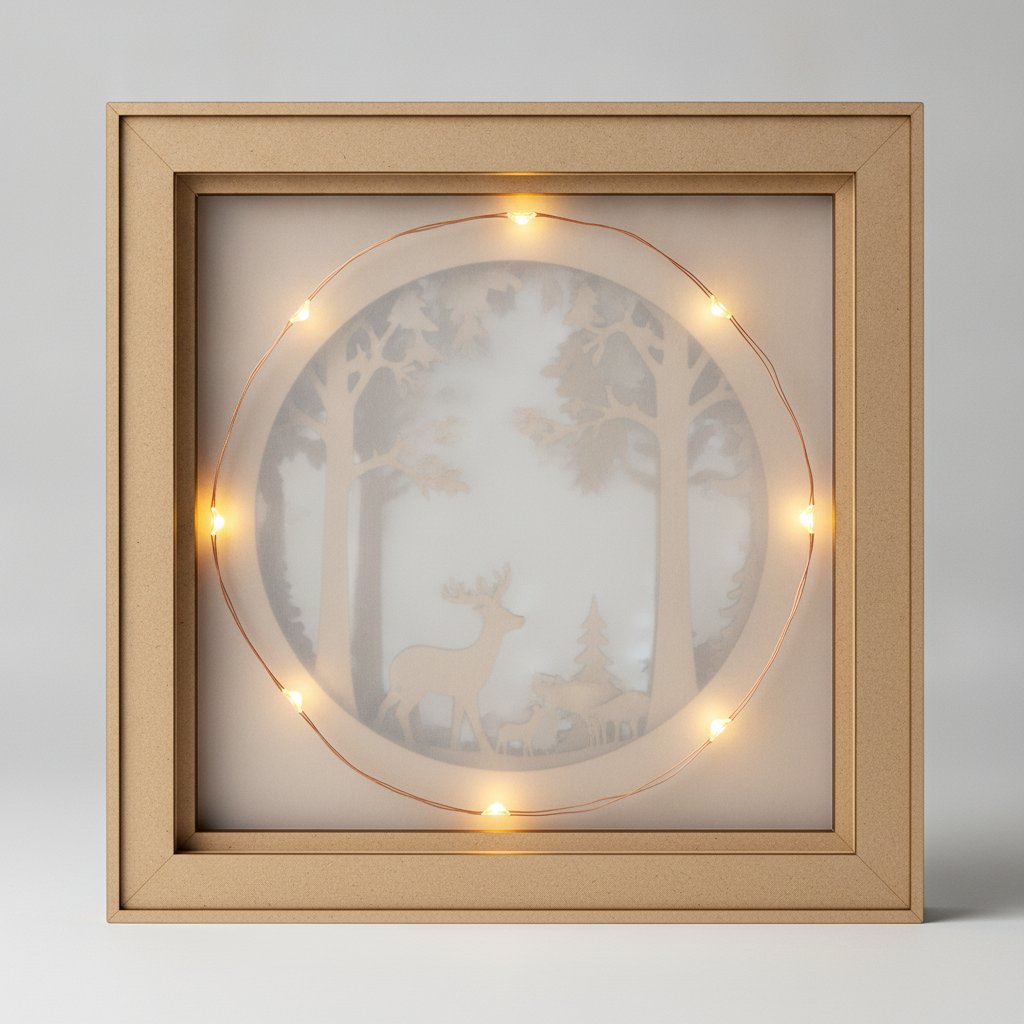
Perimeter placement for even glow. Position fairy lights around the inside edges of the frame for uniform backlighting. This creates a soft, even glow that illuminates all layers equally. It's the best option for a nightlight — no harsh hotspots, just gentle ambient light.

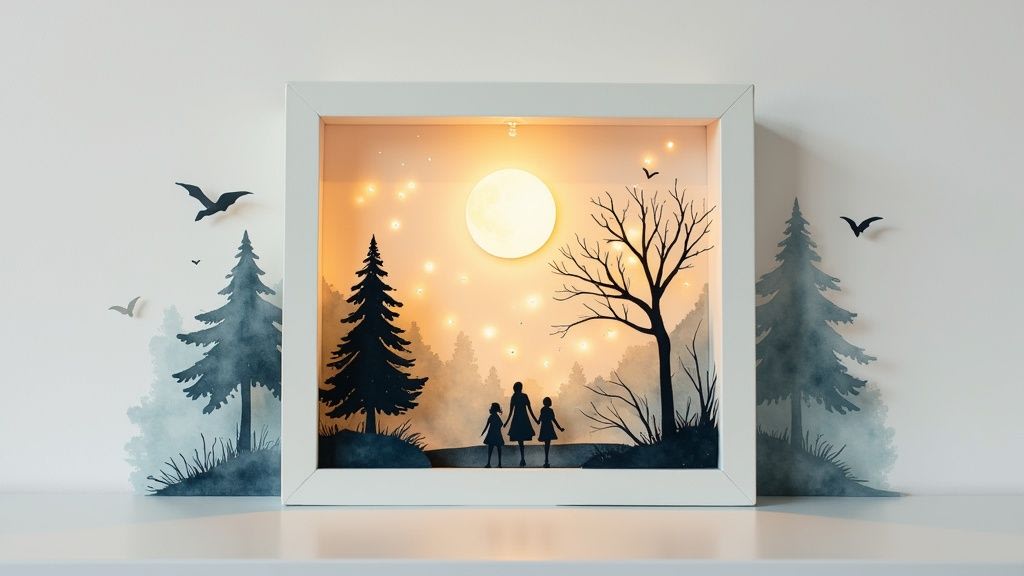
Concentrated backlight for a "window" effect. Place all the lights behind the back layer only. This creates the effect of light shining through a window or from behind a scene. It's dramatic and beautiful, with the front layers casting deeper shadows. Works best with designs that have a "light source" in the scene (a moon, a sunrise, a lantern).

Scattered placement for a fairy-tale feel. Distribute fairy lights loosely across the back of the frame for a random, twinkling effect. This creates a starry, magical atmosphere that's enchanting in a nursery. Best with celestial or woodland themes.

Frame Depth and Layer Count for Nursery Nightlights

The depth of your shadow box frame and the number of paper layers both affect how the nightlight looks:

Frame depth. For a nursery nightlight, a frame depth of 1.5-3 inches works best. This gives enough room for 6-10 paper layers plus the LED lights, while keeping the overall piece from protruding too far from the wall. Deeper frames create more dramatic shadows but may be too bulky for nursery walls.

Layer count. Six to eight layers is the sweet spot for nursery shadow boxes. Fewer layers and the depth effect is too subtle. More than 10 layers can block too much light, making the nightlight effect too dim. With 6-8 layers and warm white LEDs, you get a beautiful balance of visible detail and soft, diffused light.

Vellum as a diffuser. Place a sheet of vellum (translucent paper) as the back layer before your LED lights. This diffuses the light, eliminating any visible pinpoint dots from individual LED bulbs and creating a smooth, even glow. This single addition dramatically improves the nightlight quality.

Making vs Buying Shadow Box Nursery Decor

Crafting Your Own with a Cricut or Silhouette

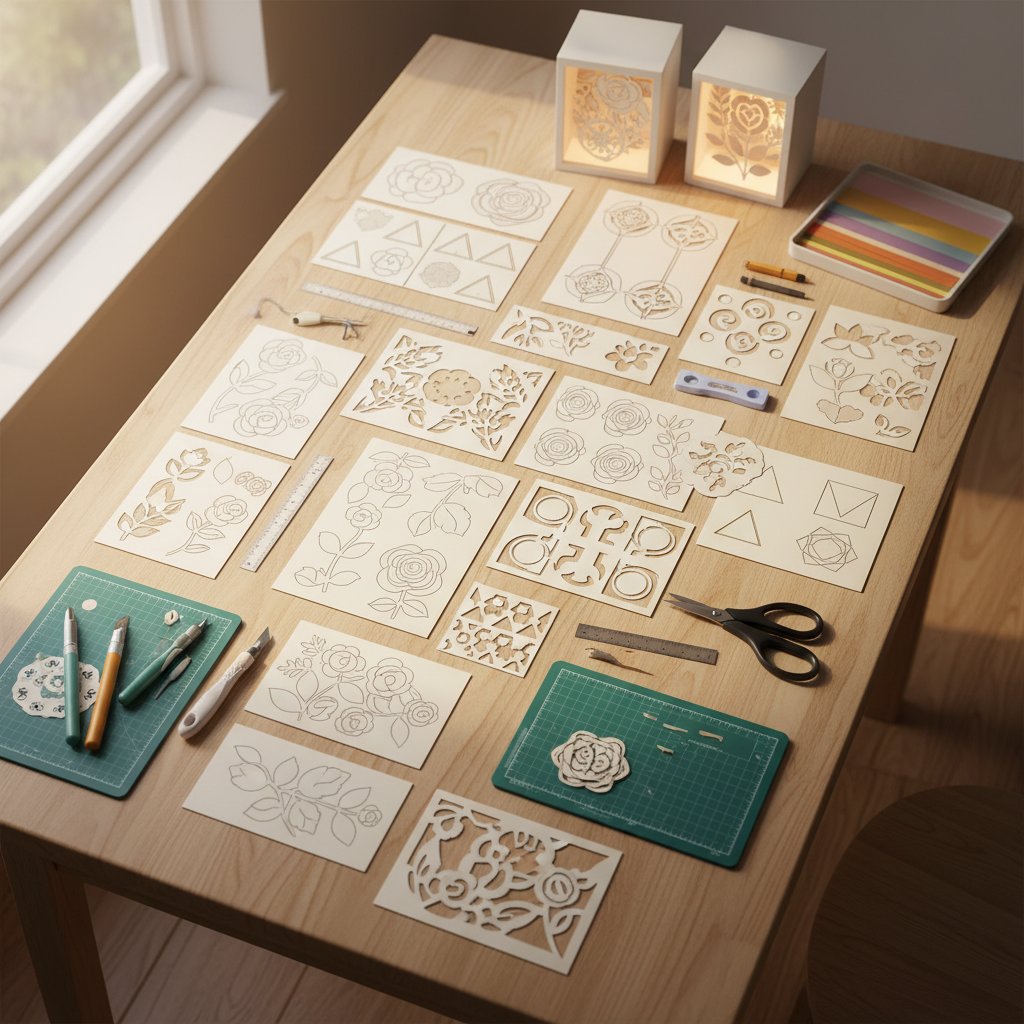
If you own a cutting machine, making your own shadow box nursery decor is a deeply rewarding project. Here's what you need:

Materials. 65 lb cardstock in your nursery colors, a shadow box frame (8×8 or 8×10 inch), foam adhesive dots or strips, LED fairy lights, and a quality SVG template. For paper recommendations, our complete cardstock guide for shadow boxes helps you choose the right weight and finish.
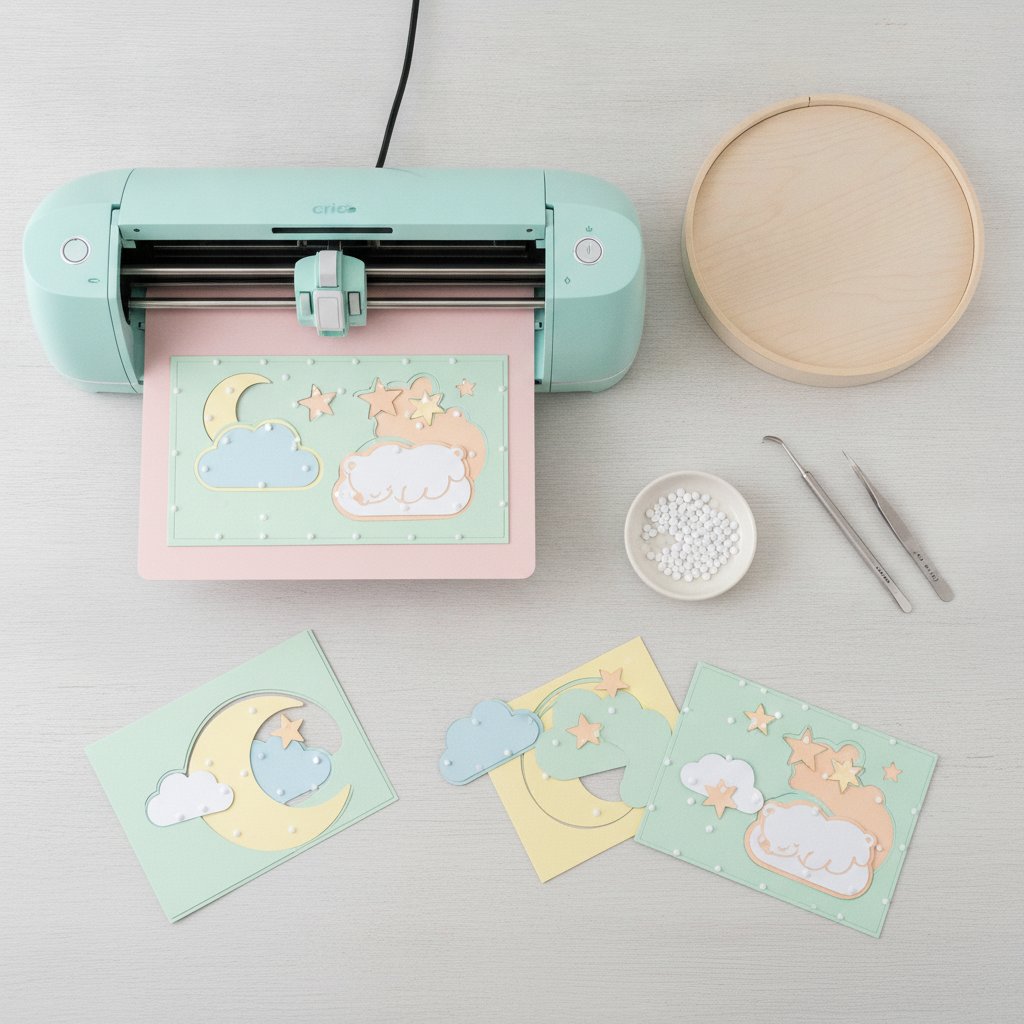
Time investment. A first shadow box takes 2-3 hours from start to finish — cutting layers, assembling with spacers, adding lights, and framing. Subsequent projects go faster as you gain confidence.

Customization. This is the biggest advantage of DIY. Choose any color palette. Resize the design to fit your frame. Add your baby's name with vinyl lettering on the glass. Create something that perfectly matches your nursery vision.

Tools needed. Beyond your Cricut or Silhouette, you'll need a weeding tool, scraper, craft tweezers for small layer placement, and double-sided tape for the LED lights. Our beginner-friendly shadow box project guide walks through the full process.

Buying Ready-Made Shadow Box Decor

Not everyone has a cutting machine or the time to craft. Ready-made options exist:

Pre-assembled light-up shadow boxes. Some Etsy sellers and craft shops offer fully assembled, pre-lit shadow boxes in nursery themes. Prices typically range from $40-120 depending on size, complexity, and whether they include LED lighting.

DIY kits with pre-cut layers. A middle-ground option: purchase a kit with pre-cut paper layers, a frame, and LED lights. You assemble it yourself (which takes about 30-60 minutes) but skip the cutting step. This is a great option if you want the personal satisfaction of assembly without needing a cutting machine.

Digital SVG templates. The most popular option for crafters — purchase a digital SVG file and cut the layers yourself. This gives you full control over colors and paper choices while saving you from designing the layers from scratch. Quality templates from shops like Mural Moods Art are test-cut and come with detailed assembly instructions.

Choosing the Right Frame for a Nursery Shadow Box

The frame you choose has a big impact on the final look and how well the shadow box functions as a nightlight.

White frames are the most popular choice for nurseries. They blend seamlessly with light-colored walls and create a clean, modern look. White frames also reflect a small amount of the LED glow outward, amplifying the soft nightlight effect around the edges of the piece.
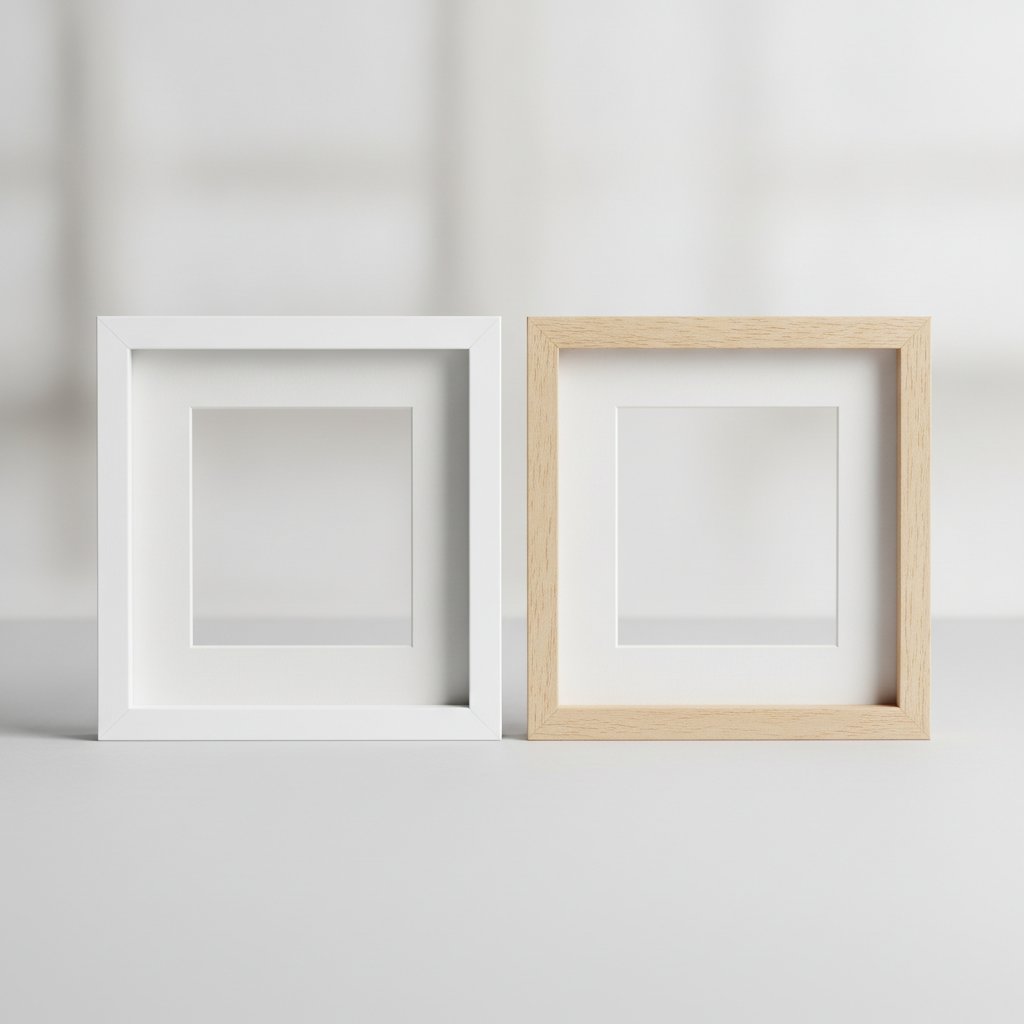
Natural wood frames bring warmth and a touch of nature to the nursery. Light woods like birch or maple complement both neutral and pastel color schemes. Wood frames pair especially well with woodland animal themes — the frame itself reinforces the natural motif.

Depth is critical. For a nursery shadow box with LED lighting, choose a frame with at least 1.5 inches of interior depth. This gives you room for 6-8 paper layers, foam spacers between each layer, the LED light string, and the battery pack. Frames marketed specifically as "shadow box frames" typically have the right depth. Standard picture frames are too shallow.

Acrylic vs glass front. For a nursery, consider an acrylic (plexiglass) front instead of real glass. Acrylic is lighter, shatterproof, and safer if the frame ever falls. Many shadow box frames come with acrylic fronts. If yours has glass, you can have it replaced at a framing shop.

Nursery Display Ideas and Placement

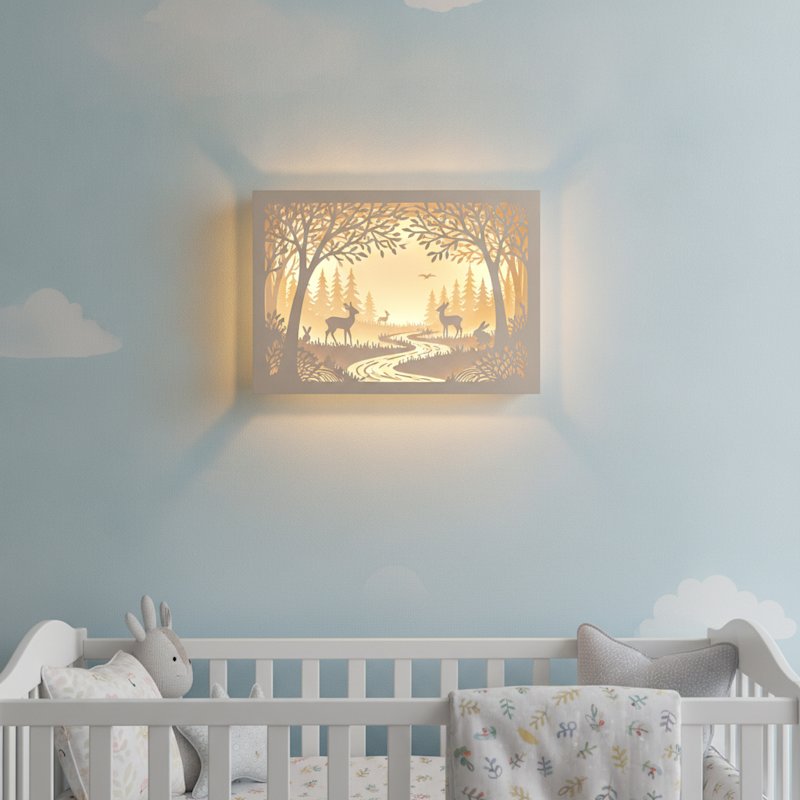
Create a stunning nursery gallery wall by combining shadow boxes with other wall elements:

The triptych approach. Hang three matching shadow boxes in a row — each with a different but related theme (a moon, a star, a cloud, for example). Wire all three to the same remote-controlled LED set, or use lights with matching remotes, so you can turn them all on simultaneously at bedtime.

Mixed media wall. Pair one or two illuminated shadow boxes with flat prints, wooden letters spelling the baby's name, and perhaps a small shelf with a keepsake. The shadow boxes become the focal point, with the light drawing the eye, while the surrounding elements create a cohesive gallery.

Above the changing table. This is the ideal spot for a light-up shadow box. During nighttime diaper changes, the soft LED glow provides just enough light to see what you're doing without fully waking your baby. Position it at adult eye level so you can appreciate the design during those frequent changes.

Seasonal Rotation

Keep the nursery feeling fresh by rotating shadow boxes with the seasons:

Spring. A floral or butterfly design in pastels. Fresh and hopeful, perfect for welcoming a new baby.

Summer. A beach or ocean scene, or a garden full of blooming flowers. Bright and cheerful.

Fall. Warm-toned leaves, a woodland fox, or a harvest moon. Cozy and comforting as the weather cools.

Winter. Snowflakes, a snowman, or a starry night. Magical and calming for the holiday season and beyond. Our collection of DIY shadow box ideas has inspiration for every season and occasion.

Rotation keeps the nursery engaging not just for your baby but for you. It's also a lovely tradition — by the time your child is old enough to notice, they'll look forward to each seasonal change.

Frequently Asked Questions

Are LED shadow boxes safe for nurseries?

Yes, when properly assembled and mounted. Battery-operated LED fairy lights generate virtually no heat, making them safe for use around paper and in baby rooms. The key safety considerations are secure wall mounting (use proper anchors, not just nails) and ensuring the battery pack is sealed inside the frame or firmly attached to the back. Always choose battery-operated lights over plug-in options for nurseries to eliminate cord hazards.

What color LED light is best for a baby's room?

Warm white (2700-3000K) or soft amber LEDs are the best choices for nurseries. These colors mimic natural sunset light and don't interfere with melatonin production, which helps your baby sleep. Avoid cool white, blue, or bright white LEDs in the nursery, as blue-spectrum light can disrupt sleep patterns. If you use RGB color-changing lights, set them to warm white for bedtime use.

How long do the batteries last in a nursery shadow box?

With typical evening use (2-4 hours per night), batteries in a fairy-light shadow box last 4-6 weeks. Using a timer function (available on most quality LED sets) that automatically turns lights off after 4-6 hours extends battery life significantly. Dimming the lights also helps — many remote-controlled LEDs have brightness settings, and lower brightness uses less power.

Can I make a shadow box without a cutting machine?

Yes, with some limitations. You can purchase pre-cut paper layer kits that include all the cut pieces — you just assemble and frame them. Alternatively, some crafters hand-cut simpler designs using a craft knife, though this is time-consuming and works best for less intricate patterns. For the most detailed, professional-looking results, a Cricut or Silhouette machine with a quality SVG template is recommended.

What size shadow box is best for a nursery?

An 8×8 inch or 8×10 inch shadow box is ideal for nursery decor. These sizes are large enough to showcase the layered detail and provide meaningful nightlight illumination, but not so large that they dominate the wall. For a gallery wall, use a mix of sizes — one larger piece (11×14) as the focal point, flanked by smaller matching boxes.

Bringing It All Together

Shadow box nursery decor combines art, function, and sentiment in a way that few other nursery decorations can match. By day, layered paper art adds depth, color, and personality to your baby's room. By night, safe LED lighting transforms that same art into a gentle nightlight that soothes and comforts.

The beauty of this decor choice is its versatility. Start with a woodland fox for a gender-neutral nursery, add florals in soft pastels for a garden theme, or go celestial with moons and stars for a dreamy sleep space. Each shadow box can be personalized with your baby's name, customized to your color scheme, and even rotated seasonally as your child grows.

Whether you craft one yourself with a Cricut or Silhouette, assemble a pre-cut kit, or purchase a ready-made piece, a light-up paper shadow box is a nursery investment that pays dividends — it's beautiful, functional, and becomes a treasured keepsake that lasts well beyond the baby years.

Ready to start? Explore our collection of layered shadow box SVG templates designed for crafters of every skill level. Each template is test-cut and includes detailed assembly instructions, so you can focus on creating something beautiful for the little one in your life.


At Mural Moods Art, every SVG template is designed with clean cut lines and logical layers to make your crafting experience smooth and enjoyable. Find your next project at https://muralmoodsart.com.